


T15 Reverse Light Bulbs for Confident, Clear Reversing
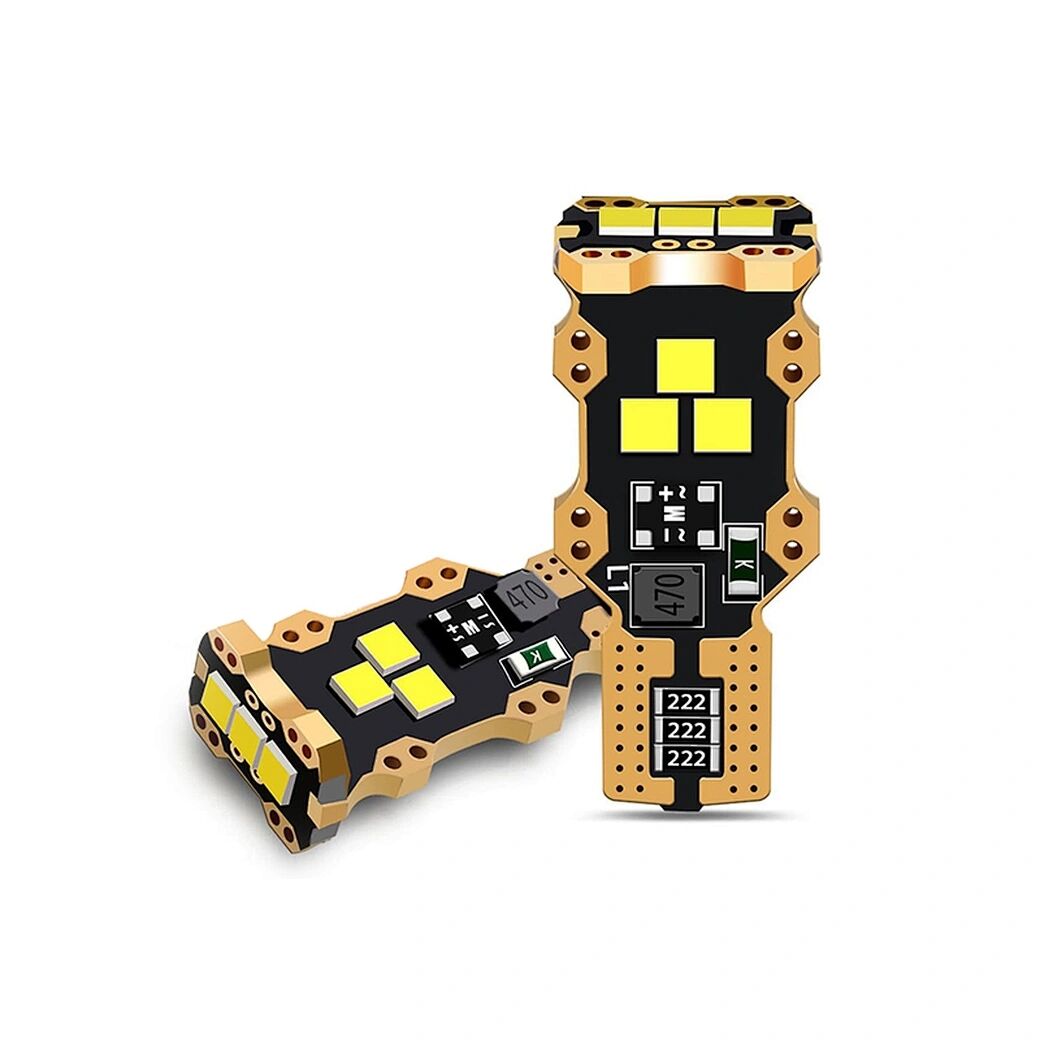
A T15 reverse light is a replacement bulb category for vehicles that use a compatible T15-style fitting in the reversing-light position. The right choice starts with confirming your vehicle’s bulb specification, socket and electrical requirements, then comparing the available options against your visibility needs and local rules. Because bulb design and fitment can differ between vehicles and products, check the owner’s manual and the product details before ordering.
Choose a Replacement That Matches Your Vehicle
Reverse lamps help illuminate the area behind a vehicle when it is backing up and signal that movement to people nearby. A failed, dim or mismatched bulb can make reversing less convenient, particularly in a dark driveway, parking area or poorly lit street. Replacing the bulb with the correct type can restore the function intended by the vehicle’s lighting system.
The T15 designation is a useful starting point, not a guarantee of universal compatibility. Vehicle year, make, model, trim and lamp assembly may affect which bulb is required. Before purchasing, verify the specification from a reliable vehicle source and compare it with the listing. Also check the bulb’s dimensions and base style if those details are provided.
- Confirm that the vehicle calls for a T15 bulb in the reverse-light position.
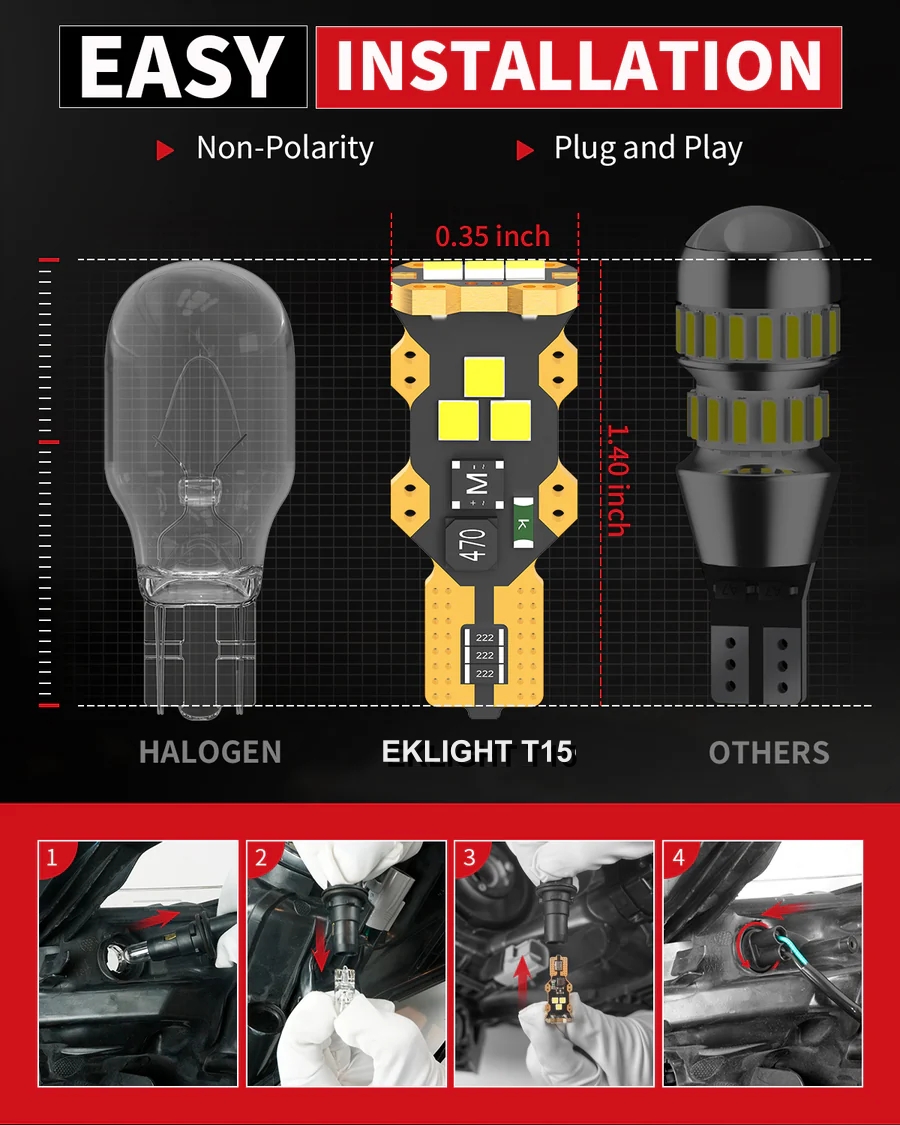
- Check the product information for voltage, dimensions and any stated application limits.
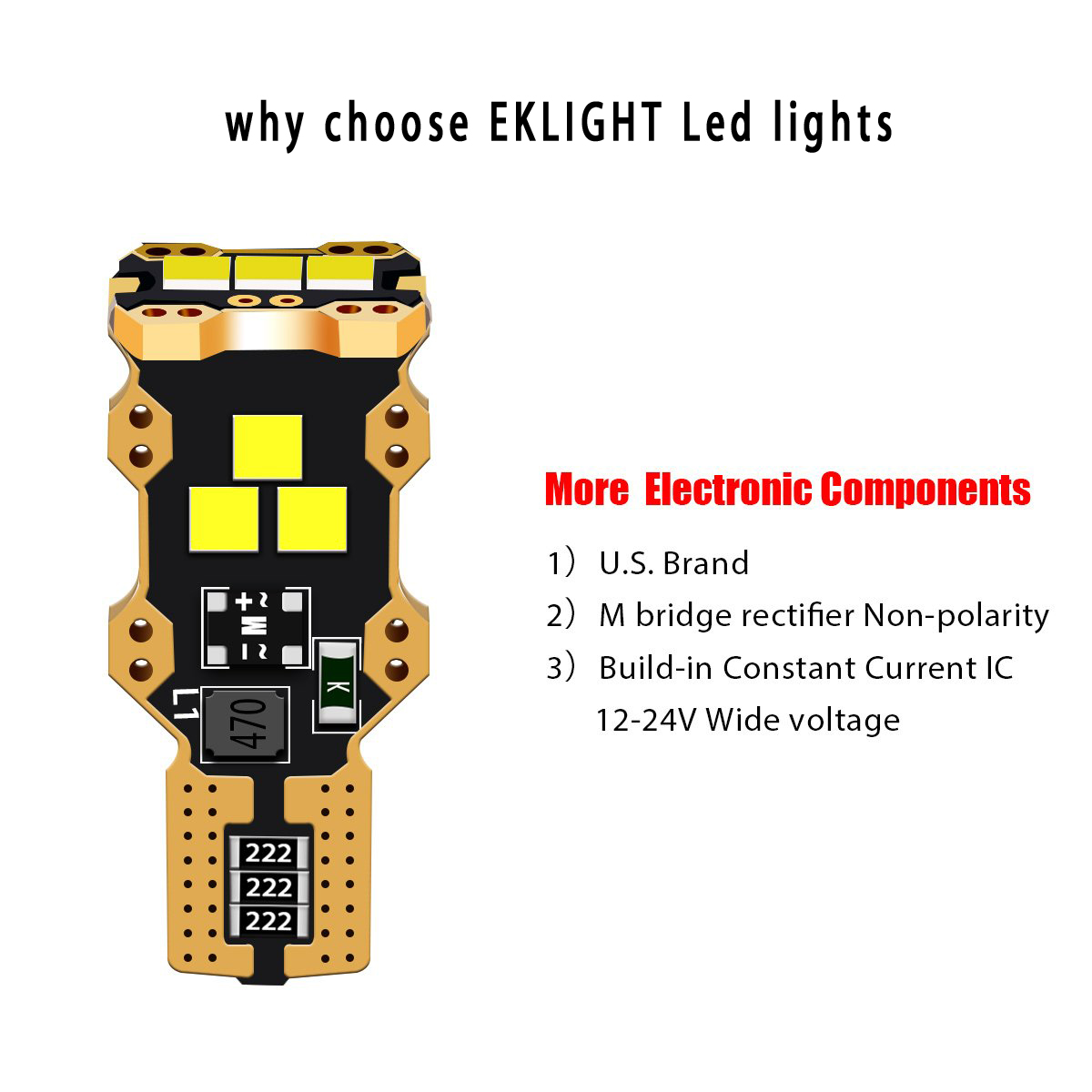
- For LED replacements, verify polarity and vehicle compatibility where specified; not every vehicle responds to LED bulbs in the same way.
- Follow the vehicle manual and local lighting requirements when selecting or installing a bulb.
Compare Light Output, Design and Everyday Use
Once fitment is confirmed, consider how and where you reverse most often. Drivers who regularly park outdoors or manoeuvre in low-light settings may place particular value on useful, well-directed illumination. Brightness claims alone do not tell the whole story: the bulb must work appropriately with the vehicle’s reflector or lamp assembly, and its light colour and output should remain suitable for its intended reversing function.
Replacement options may use different lighting technologies and construction approaches. The available specifications—not the T15 label alone—should guide comparisons. Review stated output, power requirements, lifespan information and installation notes where provided. A product description that clearly explains its application is more useful than a broad fitment claim that does not identify relevant vehicle limitations.
Practical details matter, too. A straightforward replacement can reduce the time spent diagnosing a lighting issue, but installation access varies by vehicle. Avoid touching or forcing components, and consult the manual if the lamp assembly is difficult to reach. After installation, test the reverse lamps safely with the vehicle secured and have another person confirm that the lights operate as expected.
Make a More Informed T15 Reverse Light Purchase
A dependable buying decision balances compatibility, visibility and clear product information. If you are replacing a bulb after a failure, inspect the corresponding lamp and connector for visible damage or corrosion; a new bulb may not resolve an issue caused elsewhere in the circuit. If the replacement does not illuminate, switch off the vehicle and recheck installation only as directed by the manufacturer, or ask a qualified technician to investigate.
For a T15 reverse light, prioritize verified fitment over assumptions based on appearance or a familiar bulb code. Compare the listed specifications with your vehicle information, consider whether the product is intended for your lighting system, and choose an option whose details support your use case. Taking these steps helps you avoid unsuitable purchases and maintain the reverse-light function you depend on during everyday manoeuvres.
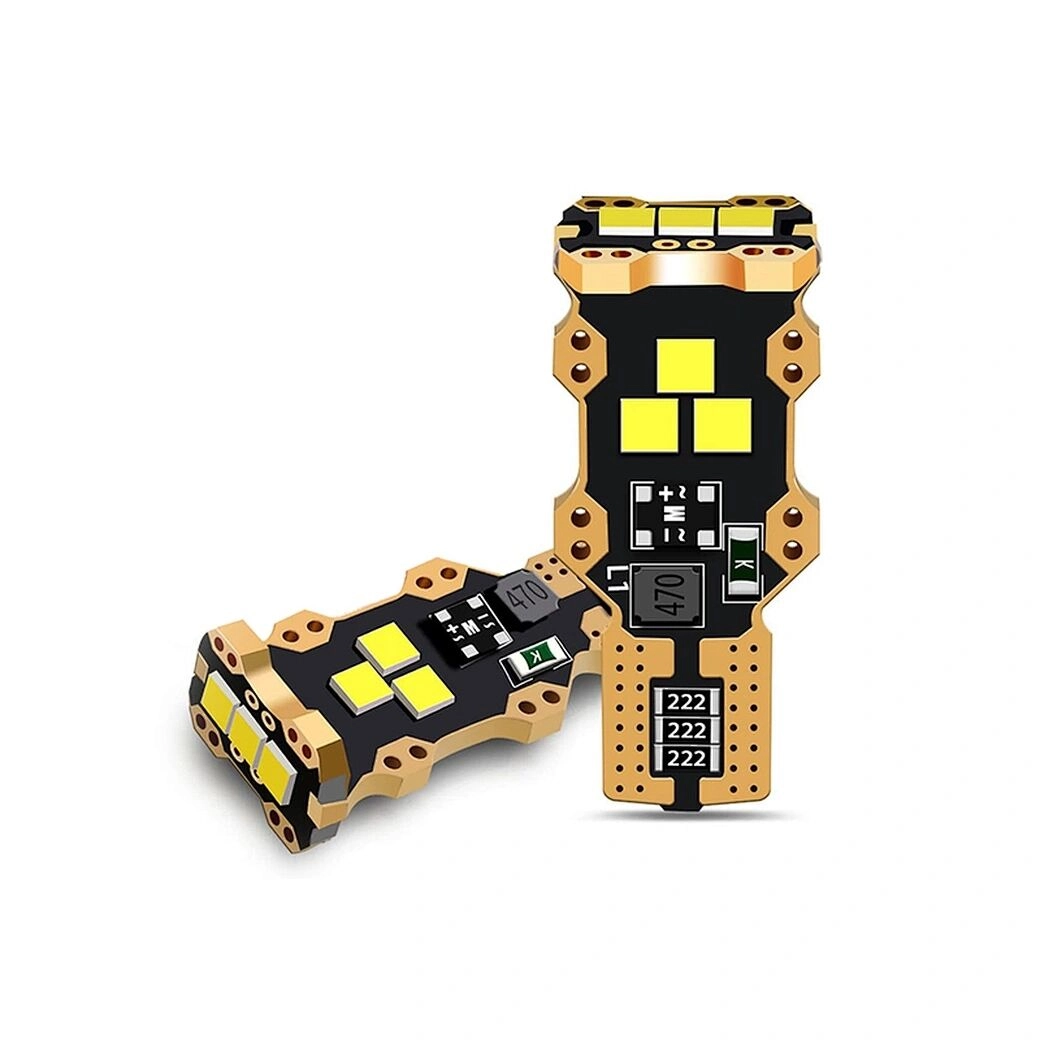
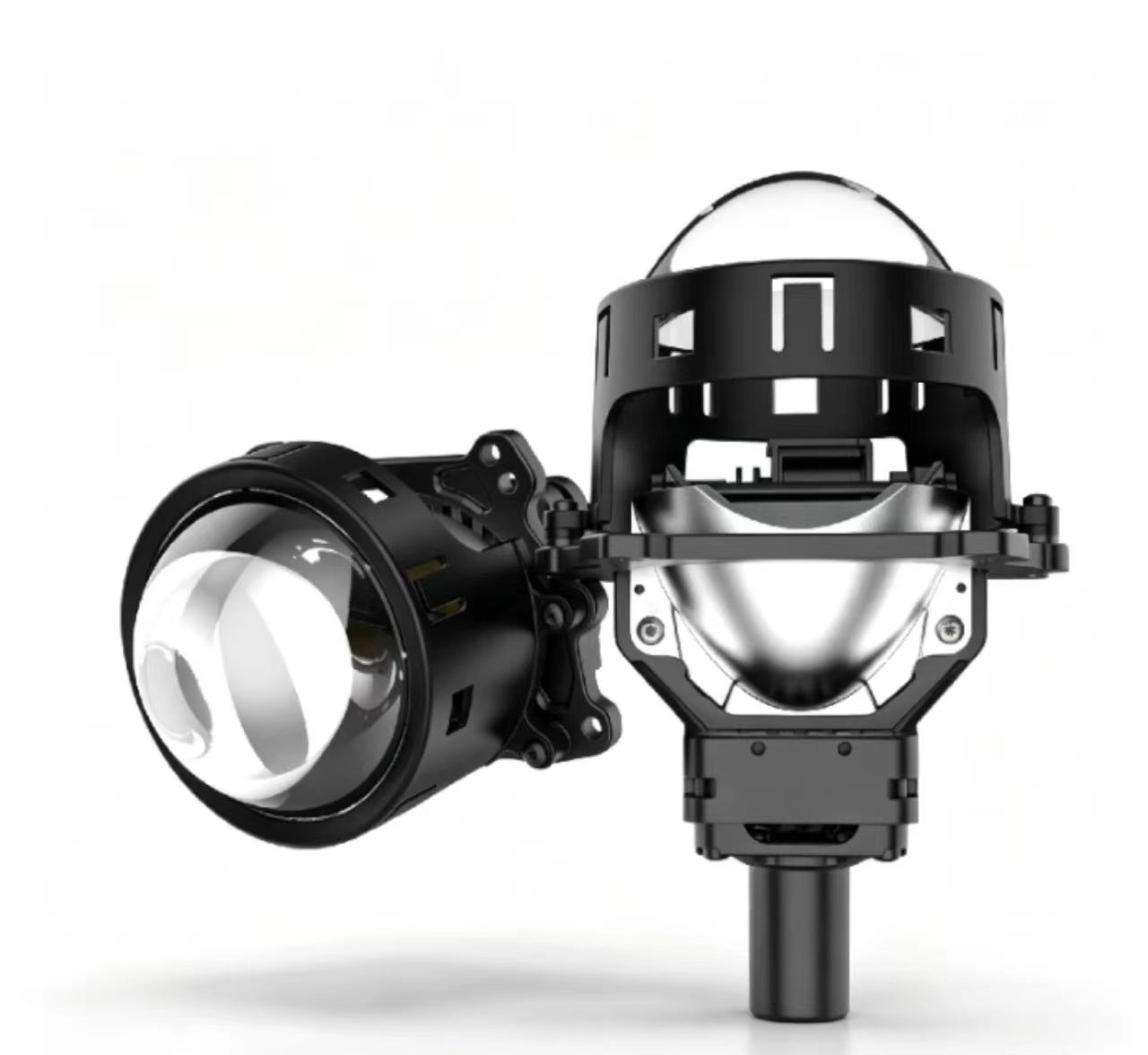
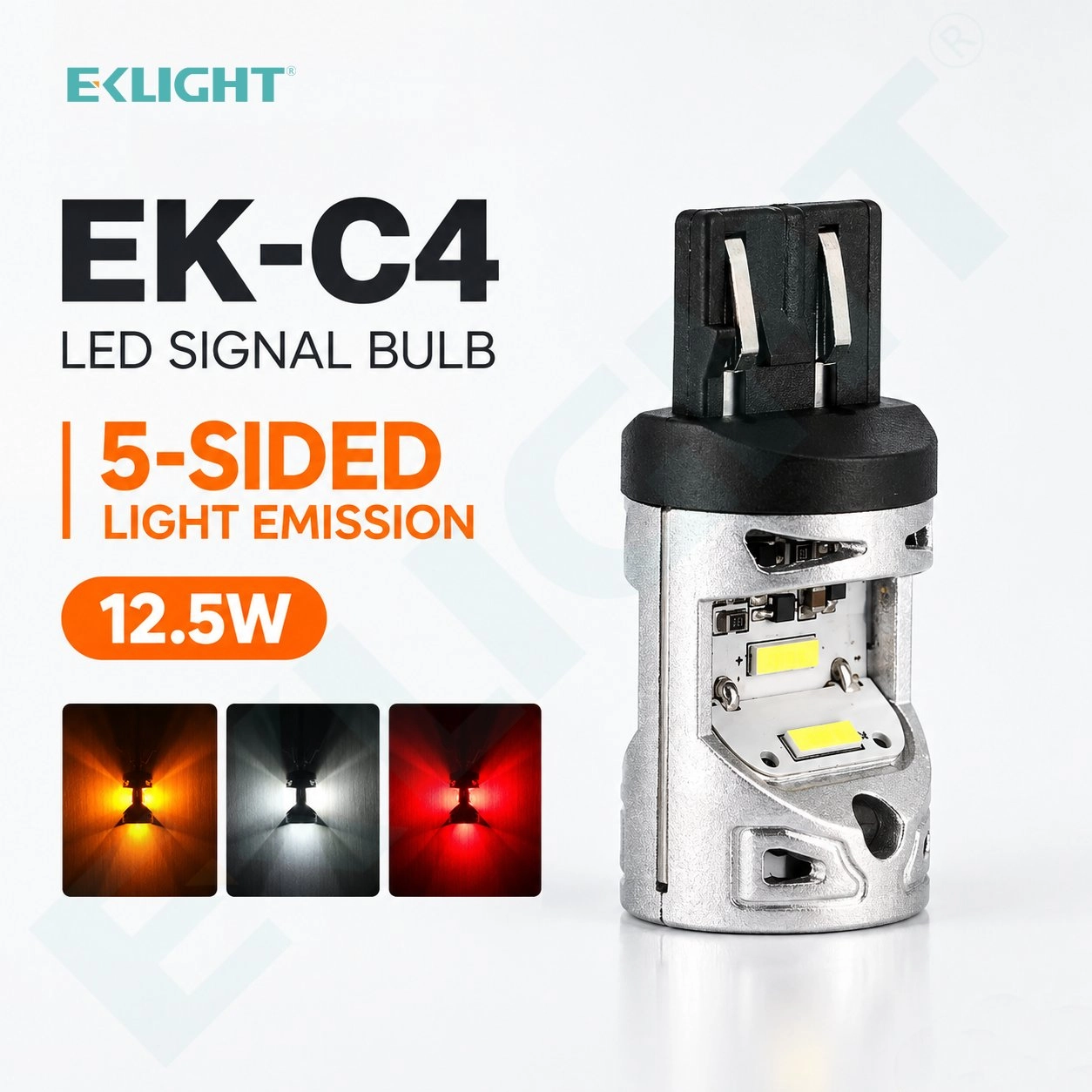
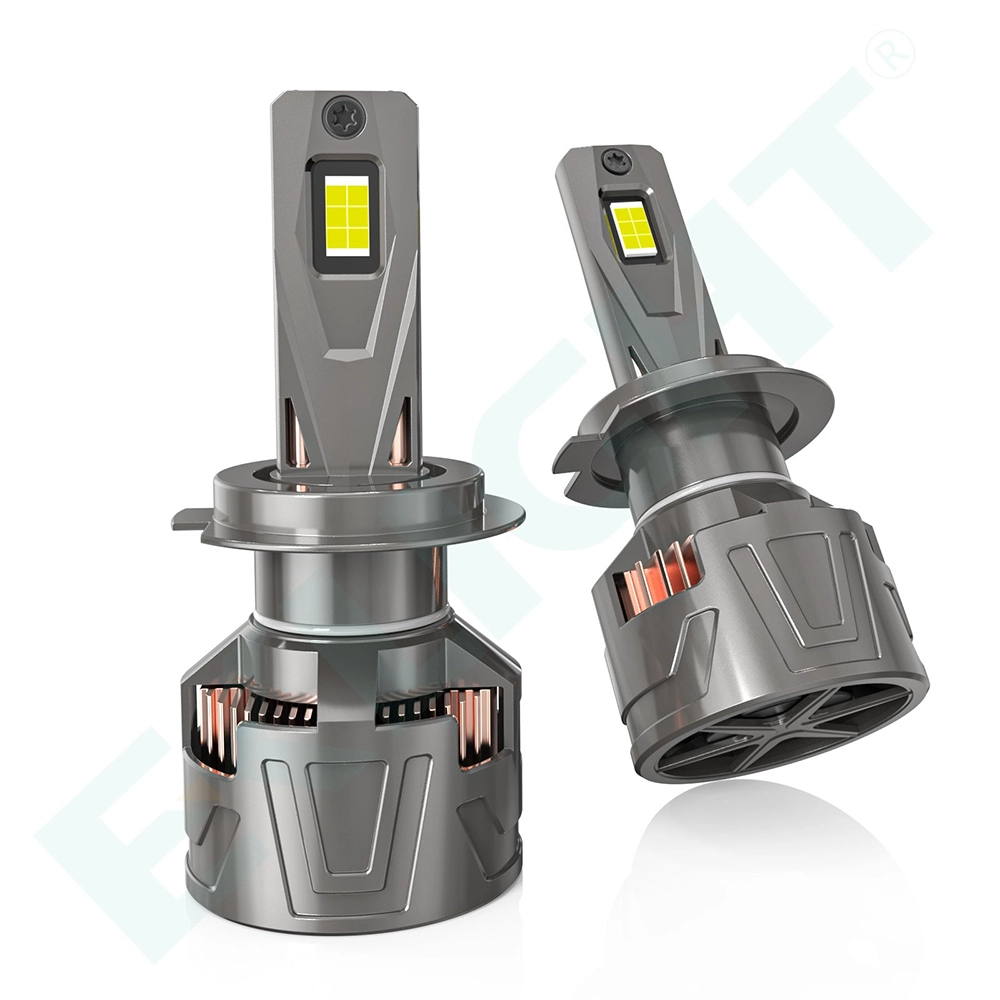
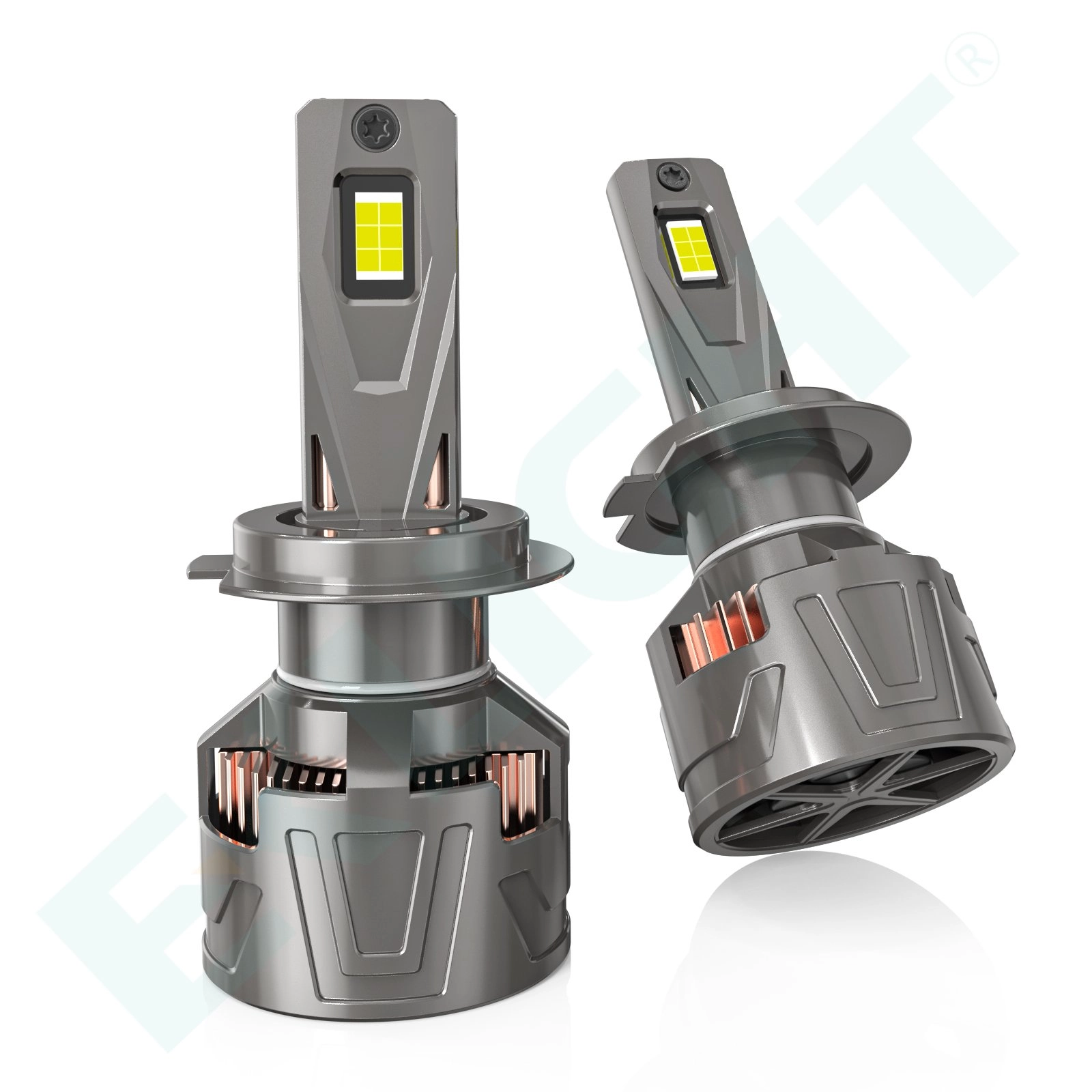
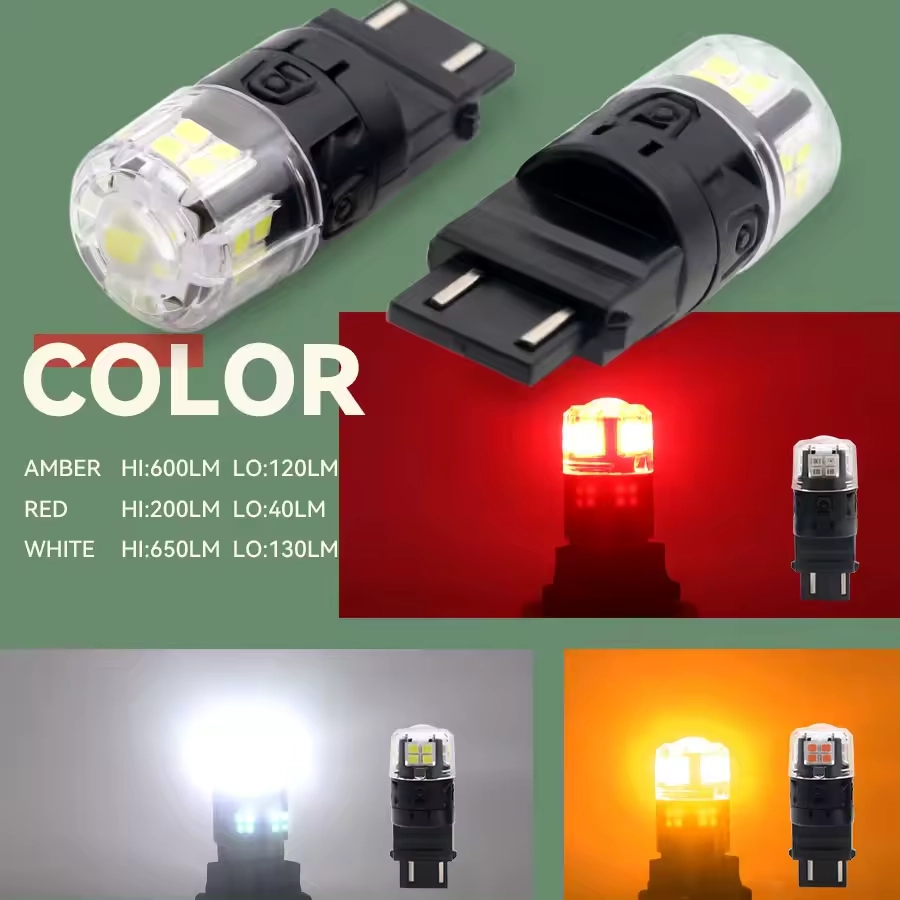
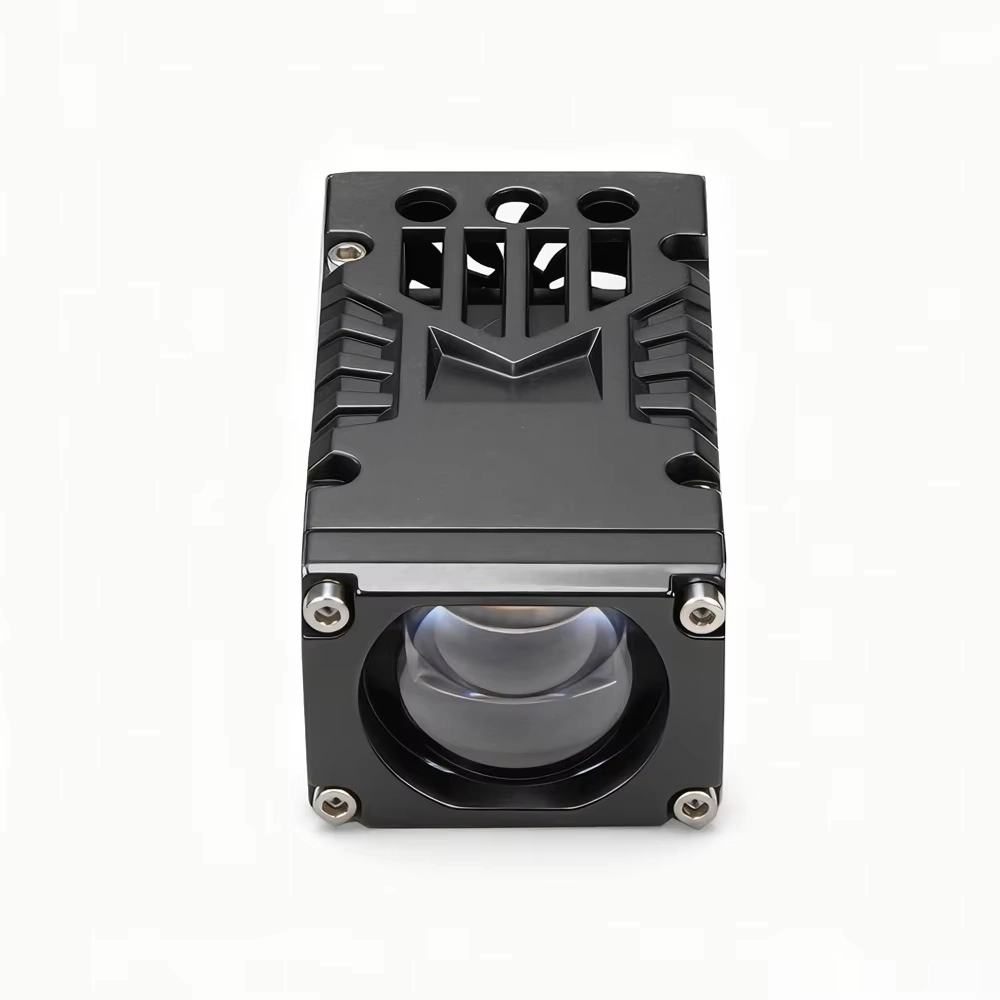
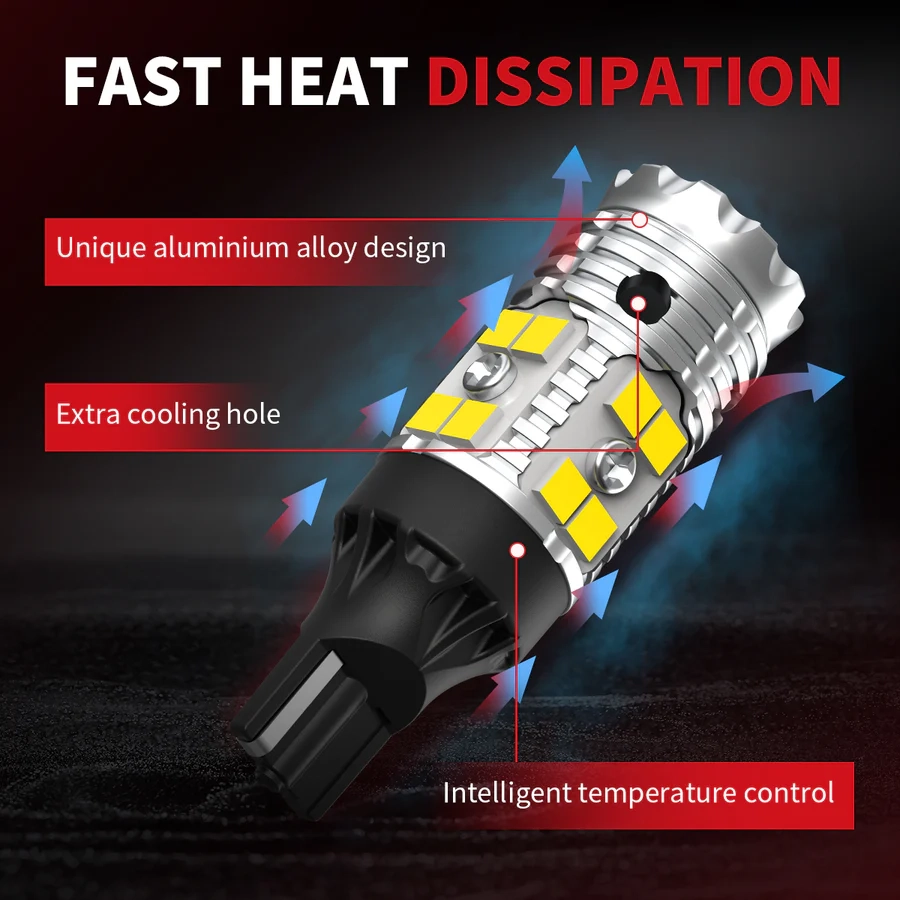
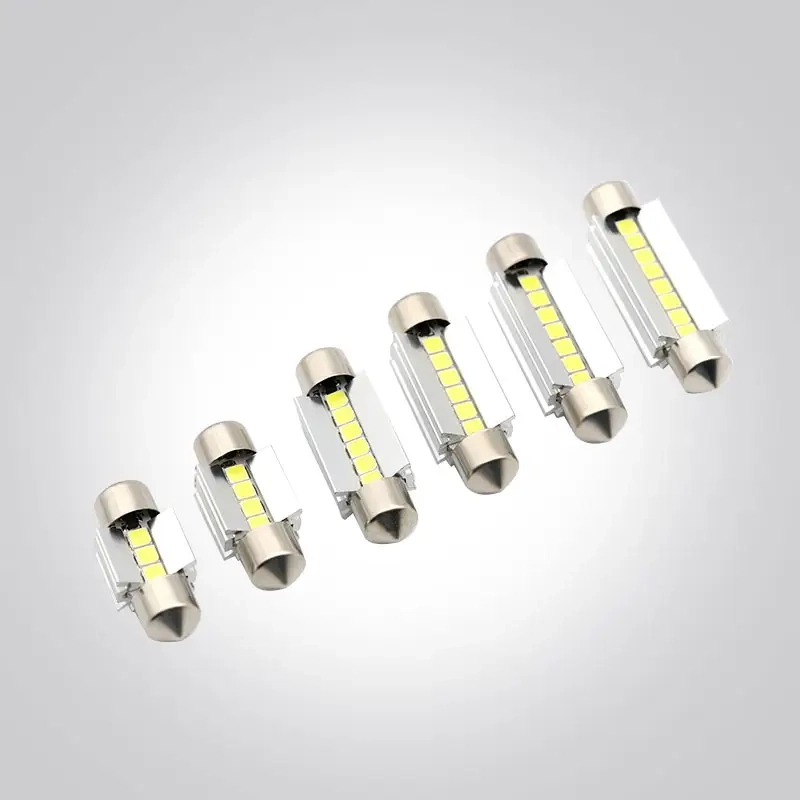
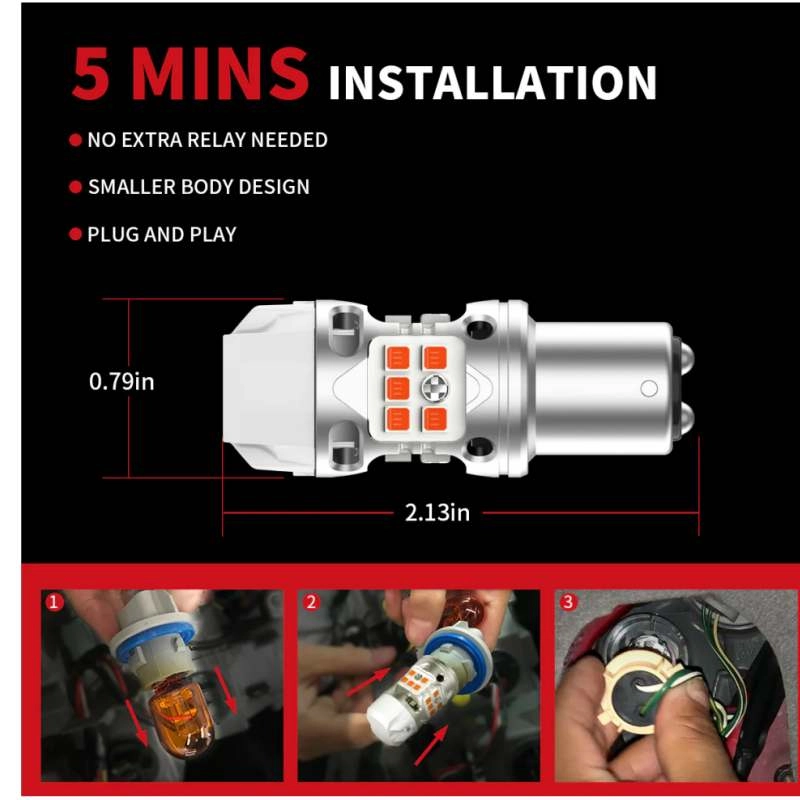
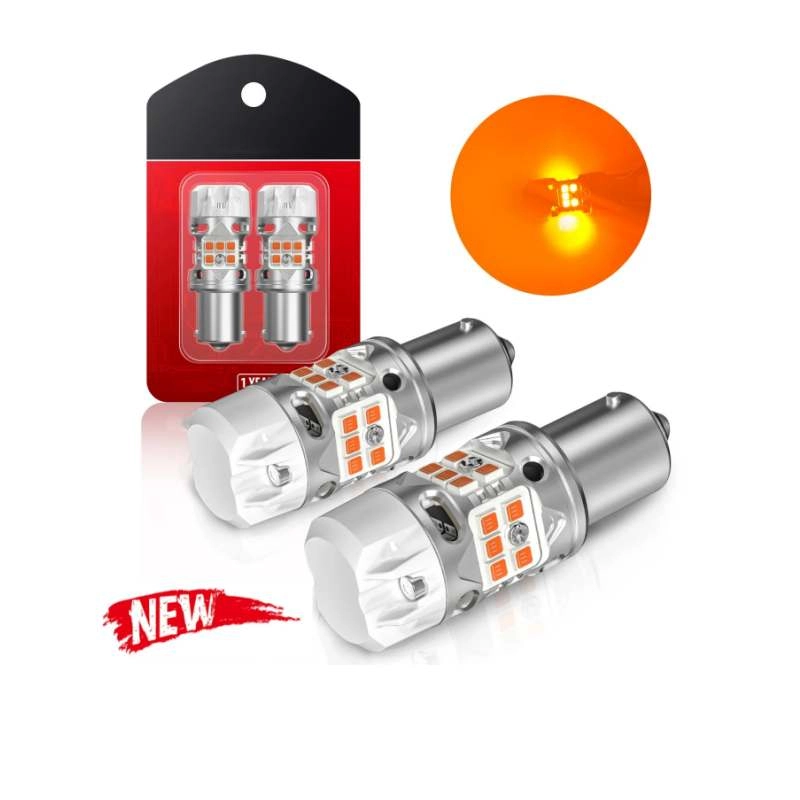
T15 Reverse light Display
FAQ
How do I know whether my vehicle needs a T15 reverse light?
Check your owner’s manual, the vehicle’s bulb chart or a trusted application guide for the exact bulb used in the reverse-light position. Confirm the specification against the product details before buying, since a T15 designation does not guarantee fitment across all vehicles.
Can I use any T15 bulb as a reverse-light replacement?
No. The bulb must match the vehicle’s socket, electrical requirements and intended lamp application. Review the product’s stated specifications and fitment information rather than relying on the T15 label alone.
Are LED T15 reverse bulbs compatible with every vehicle?
No. Compatibility can depend on the vehicle’s lighting system and the particular bulb. Check product guidance for polarity and vehicle limitations, and follow the vehicle manufacturer’s recommendations.
What should I check if a newly installed reverse bulb does not light?
With the vehicle safely secured, confirm that the bulb is correctly seated and installed as directed in the manual. If it still does not work, the cause may involve the connector, fuse or circuit rather than the bulb; consult a qualified technician if needed.
What should I consider besides brightness when choosing a T15 reverse bulb?
Verify fitment first, then review available specifications such as light output, power requirements, dimensions and installation guidance. The bulb should work appropriately with the vehicle’s lamp assembly and comply with applicable local lighting requirements.
EKLIGHT delivers innovative, high-quality LED lighting solutions trusted by global partners.
We empower businesses with reliable products that enhance performance and drive success.
Contact EKLIGHT
Address : Building C, Dehuiwanggang Industrial Zone, No. 38 Wanggang Industrial three road, Baiyun district, Guanghzou, Guangdong province, China.
© 2026 EKLIGHT. All Rights Reserved.
EKLIGHT
EK
EK
EK
EK