


LED H7 Bulbs: A Practical Guide to Choosing the Right Upgrade
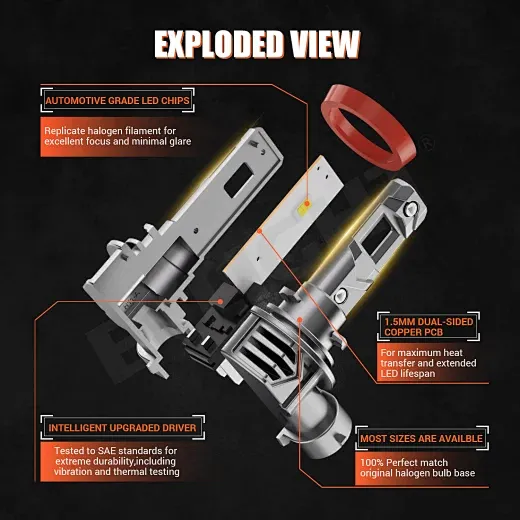
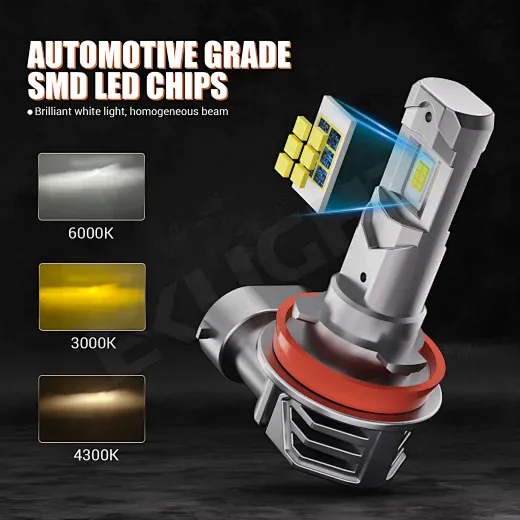
LED H7 bulbs can be an appealing option for drivers looking to update compatible vehicle lighting, but choosing the right bulb takes more than matching a base type. Vehicle fitment, headlamp design, beam pattern, installation space and local road regulations all matter. Use this category as a starting point to compare your options, verify compatibility with your vehicle and select lighting suited to your everyday driving needs.
Explore LED H7 Bulbs with Fitment in Mind
H7 describes a bulb type used in some vehicle headlamps; it does not guarantee that every H7 LED replacement will work in every car. Before buying, consult your owner’s manual, the original bulb marking or a trusted vehicle fitment resource. Check the year, make, model and specific headlamp application, since one vehicle may use different bulb types for different lighting positions or configurations.
Physical and electrical compatibility are just as important as the bulb designation. LED replacements can differ in overall length, connector position and the space their heat-management components need behind the headlamp. A dust cover, retaining clip or housing may limit room. Some vehicles may also require additional compatibility components, while others may not support an LED replacement in the original housing. Confirm the product’s stated requirements and your vehicle’s setup before installation rather than assuming that a matching connector is enough.
- Verify that the bulb type matches the exact headlamp position.
- Compare the replacement’s dimensions with available housing clearance.
- Review installation instructions and any stated vehicle-specific requirements.
- Check applicable local rules for replacement bulbs and road use.
Look Beyond Brightness to Beam Quality
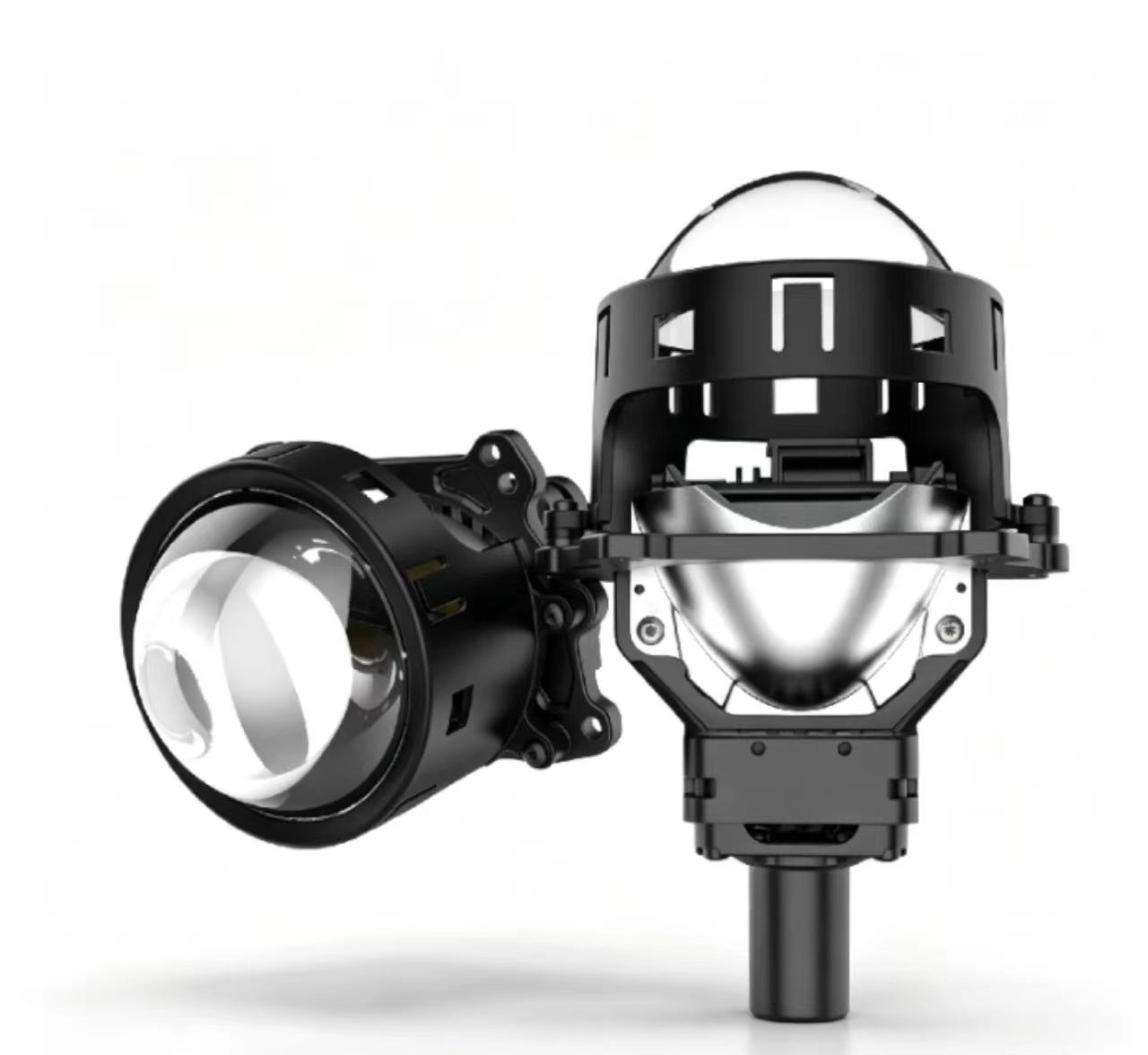
Useful headlight performance is about directing light where it helps the driver—not simply producing a high brightness figure. A headlamp reflector or projector is designed around a particular light source. If an LED’s light-emitting points do not align appropriately with that optical design, the result can be an uneven beam, reduced useful visibility or glare for other road users. Compatibility with the headlamp matters as much as the bulb itself.
When comparing LED H7 bulbs, look for clear, verifiable product information about the intended application, installation orientation and beam performance. Treat headline claims with care if they do not explain how the bulb is tested or which vehicle and headlamp configurations are supported. After installation, check that the bulb is securely seated and that the headlamp aim is correct. If the light pattern appears scattered or dazzling, have the setup inspected and avoid using it on public roads until the issue is resolved.
Consider your driving conditions as well. Drivers who regularly travel on unlit roads may prioritize a well-controlled beam and dependable visibility, while those mostly driving in well-lit areas may value straightforward fitment and a hassle-free installation. A suitable choice balances the vehicle’s design, your needs and the rules where you drive.
Choose with Safety, Legality and Installation in View
Replacement-bulb rules differ by location and can depend on the vehicle, headlamp approval and intended use. A bulb that physically fits is not automatically approved for every headlamp or legal for road use. Check current local requirements and any product approval details before purchasing. When the information is unclear, ask the manufacturer, a qualified installer or the relevant vehicle authority to confirm suitability.
Installation should follow the vehicle and product instructions. Avoid touching sensitive bulb surfaces where instructions advise against it, keep wiring clear of hot or moving parts, and make sure seals and covers are correctly refitted to help protect the headlamp assembly. Some vehicles may display a bulb warning or require additional steps; do not improvise electrical changes. If access is difficult or the instructions identify a specialist procedure, professional installation can help protect both the lighting system and the vehicle.
For a confident purchase, use a simple checklist: confirm the exact H7 application, check physical clearance, understand any compatibility requirements, assess the beam pattern and verify legal use. Taking these steps helps you narrow the category to options that suit your vehicle rather than relying on a one-size-fits-all promise.
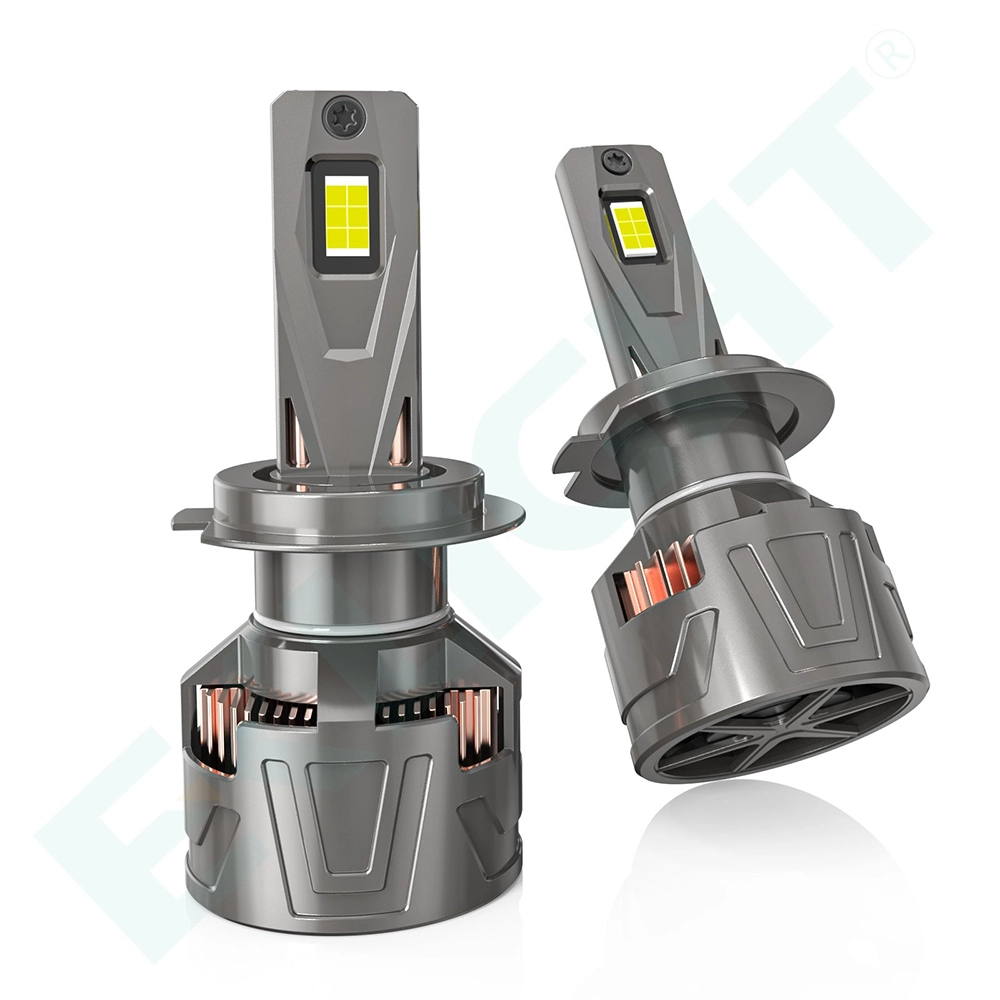
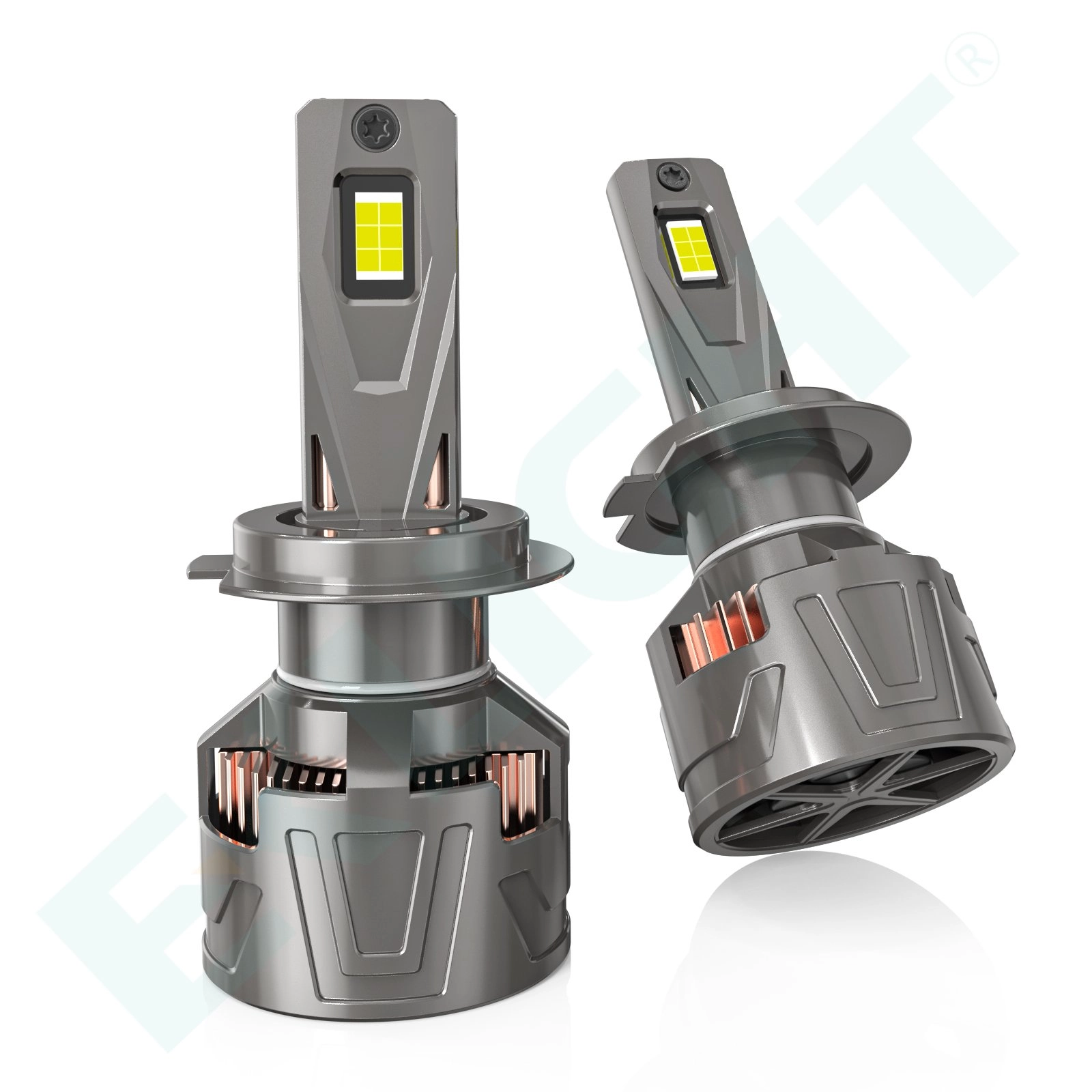
led h7 bulbs Display

FAQ
Will an H7 LED bulb fit any vehicle that uses an H7 bulb?
Not necessarily. H7 identifies a bulb type, but vehicle headlamp design, available space, connector arrangement and electrical compatibility can affect whether an LED replacement will work. Check the exact vehicle and headlamp application before buying.
Are LED H7 bulbs legal for road use?
Road-use rules vary by location and may depend on the vehicle and headlamp approval, not just the bulb’s base type. Check current local regulations and the product’s approval details before using a replacement on public roads.
How can I tell whether an LED H7 bulb will produce a good beam pattern?
Look for credible information about the bulb’s intended headlamp applications and beam performance. Correct fitment and installation orientation matter; after installation, confirm that the light pattern is controlled and the headlamps are aimed correctly.
Do LED H7 bulbs always need extra adapters or wiring components?
No. Requirements vary by vehicle and product. Some setups may need additional compatibility components, while others may not. Review the product instructions and vehicle-specific fitment information rather than assuming extra parts are always required or never needed.
What should I check before installing an LED H7 replacement?
Confirm the bulb type and headlamp position, check housing clearance and stated compatibility requirements, and review local road-use rules. Follow the vehicle and product instructions, refit seals and covers correctly, and seek professional help if installation is unclear or the beam appears scattered.
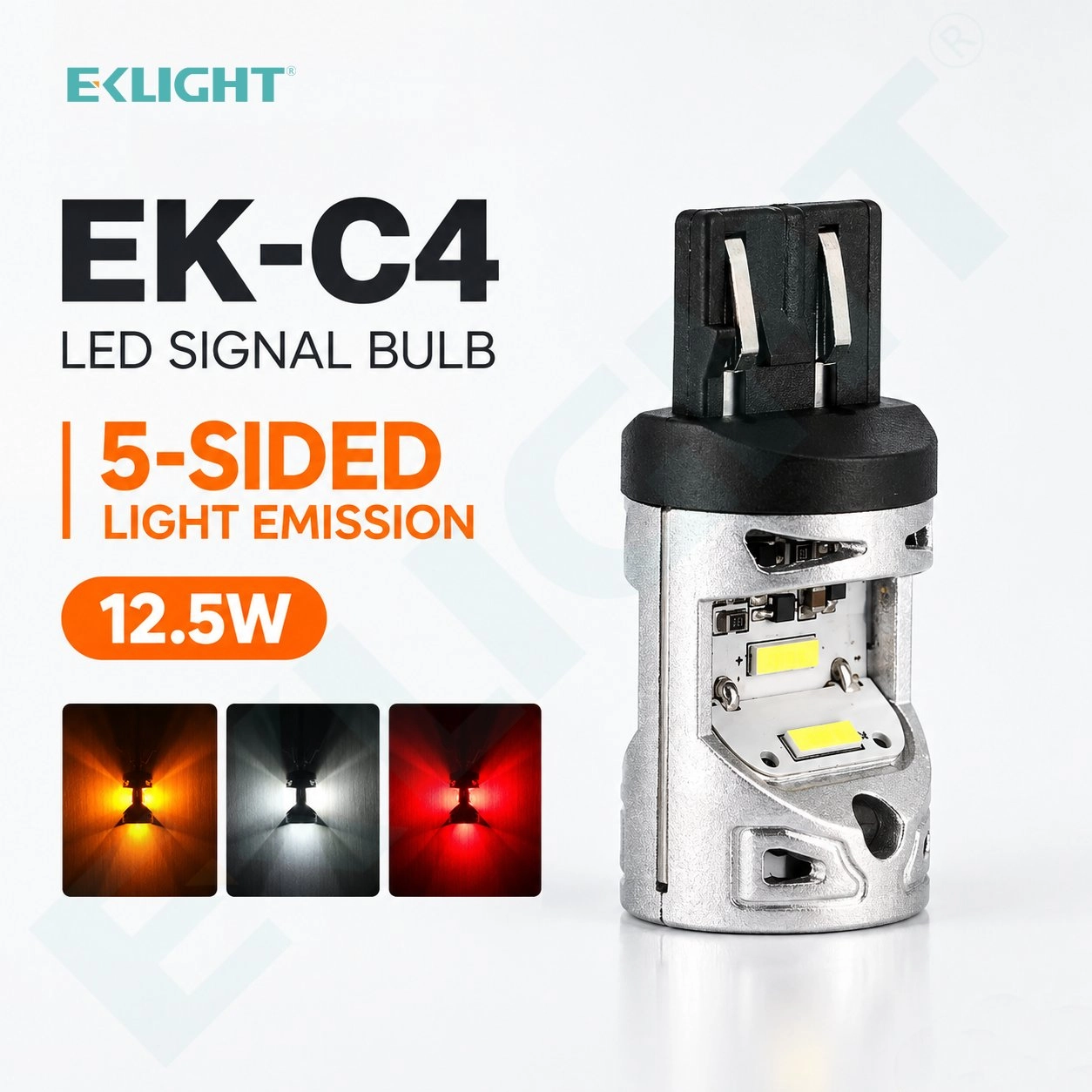
EKLIGHT delivers innovative, high-quality LED lighting solutions trusted by global partners.
We empower businesses with reliable products that enhance performance and drive success.
Contact EKLIGHT
Address : Building C, Dehuiwanggang Industrial Zone, No. 38 Wanggang Industrial three road, Baiyun district, Guanghzou, Guangdong province, China.
© 2026 EKLIGHT. All Rights Reserved.
EKLIGHT
EK
EK
EK
EK