


T10-Equivalent Automotive Bulbs: Find the Right Fit
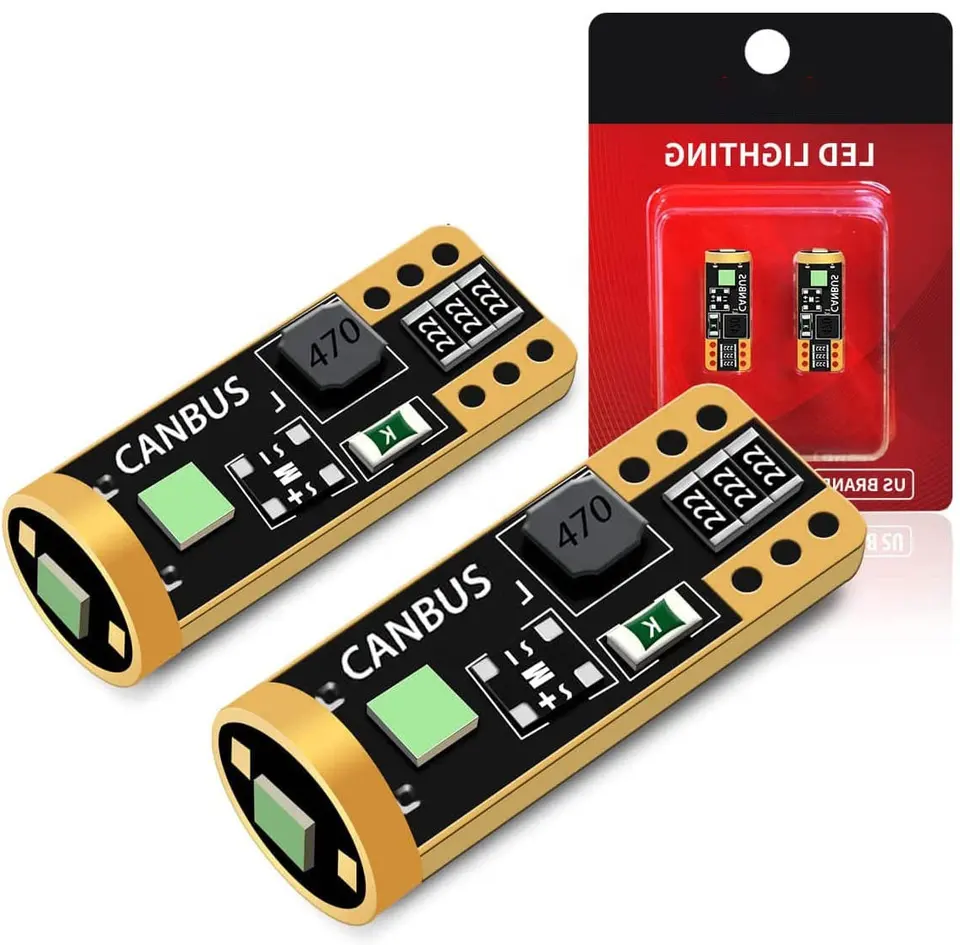
Looking for a lasfit t10 equivalent? This category is for drivers comparing replacement bulbs designed for T10-style automotive applications. The right choice depends on more than a familiar bulb name: socket type, vehicle fitment, bulb dimensions, electrical requirements, and intended lighting position all matter. Use these products as a starting point for finding a compatible replacement, then confirm the specifications for your vehicle before ordering.
Choose a T10-Style Bulb That Matches Your Vehicle
T10 is a commonly used designation for a small wedge-base bulb, but naming conventions can vary across listings and vehicles. You may also encounter terms such as W5W or 194 when searching for a similar bulb. These labels can point to related applications, but they should not be treated as a universal promise of interchangeability. A bulb that fits one socket or vehicle may not suit another.
Start by checking the owner’s manual, the vehicle’s bulb chart, or the marking on the original bulb. Confirm the socket and base, operating voltage, bulb dimensions, and the specific location where it will be installed. Interior map or dome lights, instrument illumination, parking lights, and license-plate lights can have different requirements—even when a similar bulb shape appears in use. If the original bulb is available, comparing its markings and physical size is a useful additional check.
- Verify the exact bulb designation listed for the vehicle and lighting position.
- Compare base shape and dimensions, not just the product name.
- Check voltage and any vehicle-specific fitment notes.
- For LED replacements, consider polarity and whether the vehicle’s lighting system may require a particular design.
What to Consider When Comparing Replacement Bulbs
A well-chosen replacement should suit both the socket and the job the light performs. For cabin lighting, consider whether the bulb’s output and color are comfortable for reading or locating items. For an exterior position, confirm that the bulb is approved for that use and appropriate for the vehicle’s housing. Appearance matters, but safe, correct operation and dependable fitment should come first.
When comparing products, look for clear information about compatible bulb designations, vehicle applications, dimensions, electrical specifications, and intended use. If choosing an LED version, remember that LED bulbs can differ in size, light distribution, color, and power draw. A bulb that physically installs may still produce an unsuitable beam or trigger a vehicle warning. Follow the product’s fitment guidance and local regulations, particularly for exterior lighting.
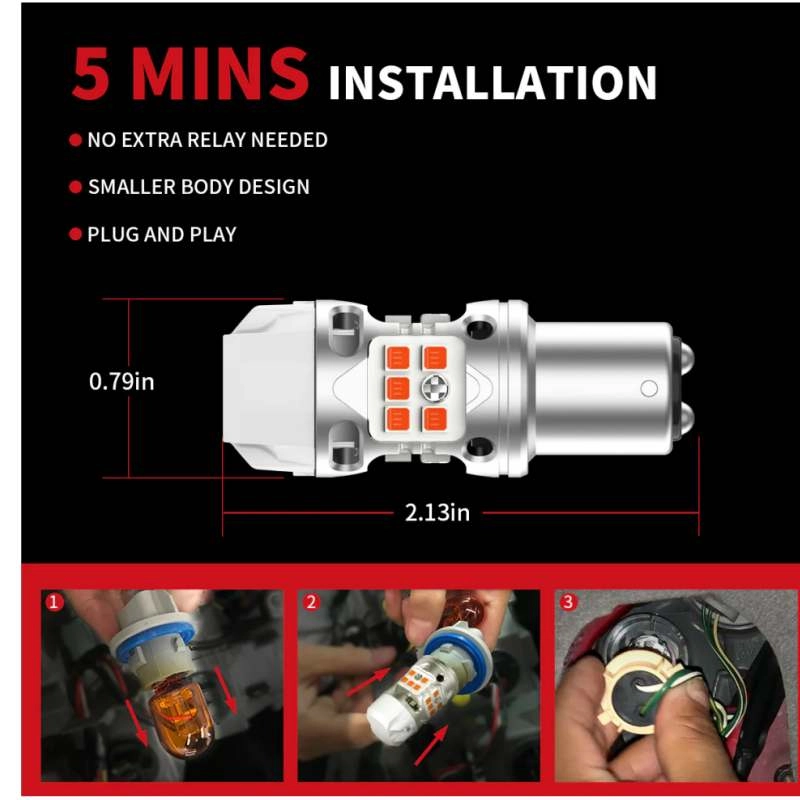
Installation can also influence the result. Switch off the vehicle and lights before replacing a bulb, allow hot components to cool, and handle the new bulb according to its instructions. Do not force a bulb into a socket. If it does not seat correctly, or if the light behaves unexpectedly after installation, remove it and recheck compatibility rather than assuming that a similar designation guarantees a match.
Make a Confident Replacement Choice
Searching for an equivalent bulb often means solving a practical problem: restoring a light that has failed, refreshing a vehicle’s appearance, or identifying a replacement without guessing. A careful comparison helps prevent repeat purchases and installation frustration. Use the vehicle’s documentation and the original bulb as reference points, then compare those details with the product listing.
Because no vehicle, bulb specification, or product model is provided here, compatibility cannot be confirmed for a particular make or model. Treat “equivalent” as a search starting point, not a guarantee. Before purchasing, verify the exact application and check any restrictions that apply to your vehicle or location. When the fitment remains uncertain, consult a qualified automotive parts specialist or technician.
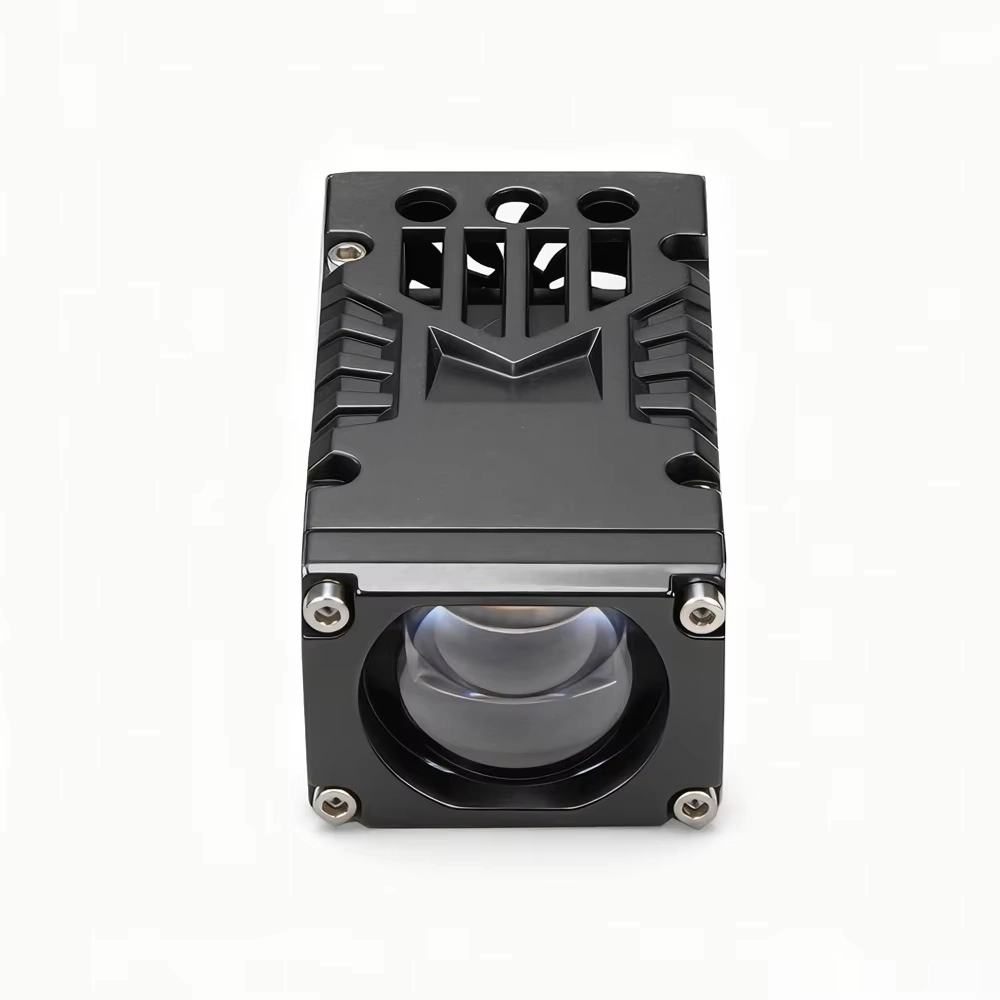
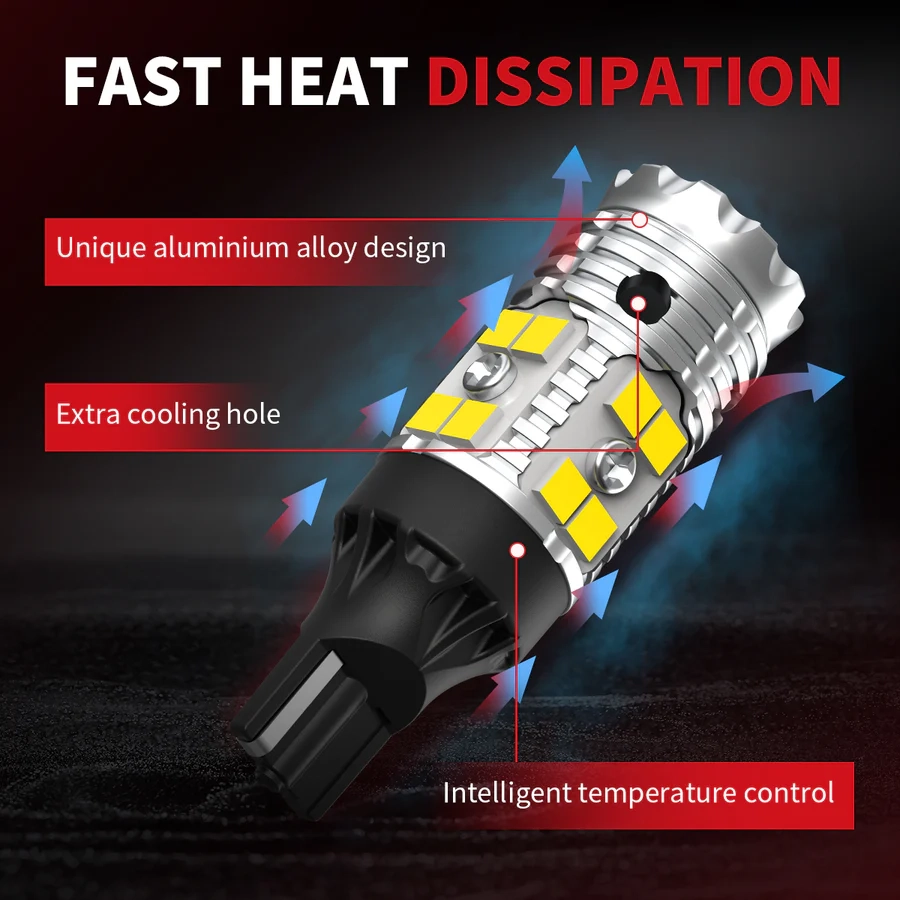
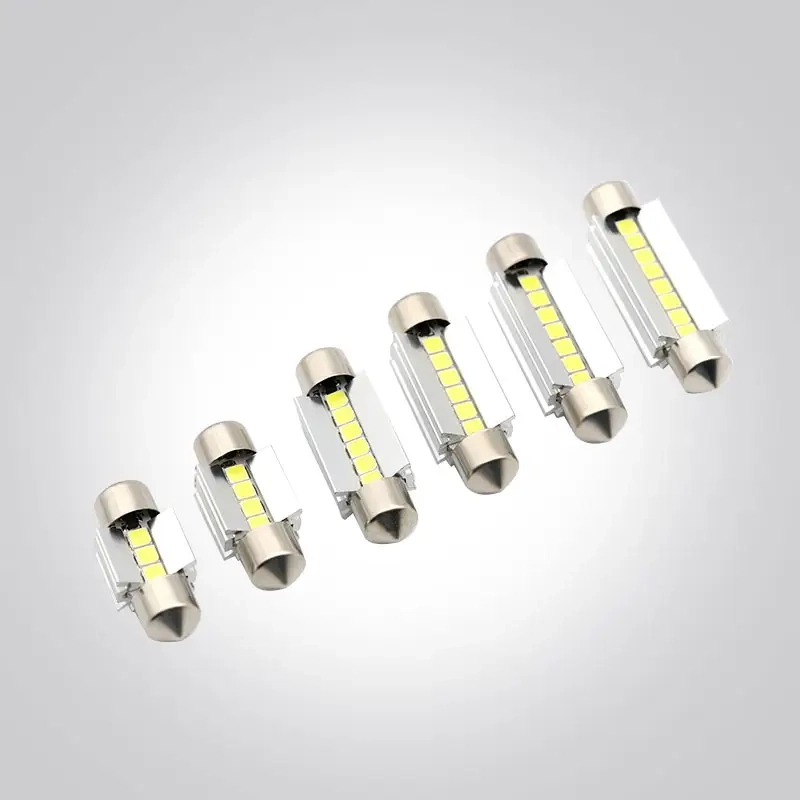
lasfit t10 equivalent Display
FAQ
What does T10 equivalent mean?
It generally describes a bulb intended to match a T10-style automotive application. Product labels may also reference designations such as W5W or 194, but names alone do not confirm that a bulb fits every vehicle. Check the vehicle’s bulb chart, original bulb, base, and dimensions.
Are T10, W5W, and 194 bulbs interchangeable?
They are often associated with similar wedge-base applications, but interchangeability depends on the vehicle, socket, bulb dimensions, voltage, and lighting position. Verify the exact specification for your vehicle instead of relying only on a cross-reference label.
How can I find the right T10 replacement for my vehicle?
Check the owner’s manual or vehicle bulb chart and compare the listed designation with the markings and physical size of the original bulb. Confirm the base, voltage, dimensions, intended lighting position, and any product-specific fitment notes.
Can I use an LED bulb as a T10 replacement?
An LED may be suitable when it matches the required socket and vehicle application, but LED products can differ in size, polarity, light distribution, and power draw. Check the manufacturer’s fitment guidance, the vehicle’s requirements, and applicable lighting regulations.
Why might a replacement bulb not work even if it is labeled T10 equivalent?
The label may not account for differences in socket design, bulb length, voltage, polarity, vehicle electronics, or the intended lighting position. Recheck the original bulb and vehicle specifications, and do not force a bulb that does not seat correctly.
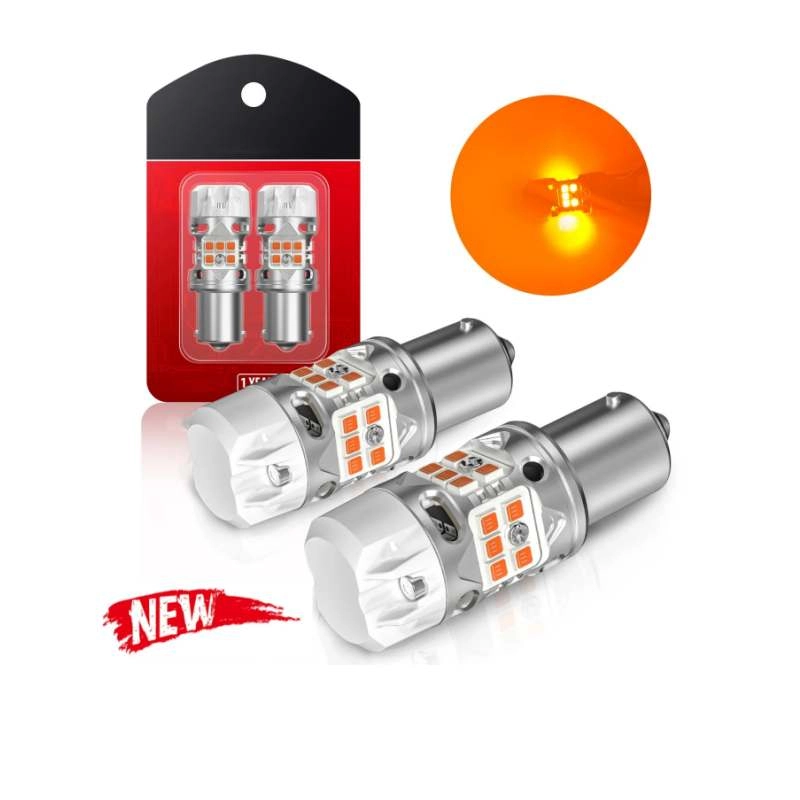
EKLIGHT delivers innovative, high-quality LED lighting solutions trusted by global partners.
We empower businesses with reliable products that enhance performance and drive success.
Contact EKLIGHT
Address : Building C, Dehuiwanggang Industrial Zone, No. 38 Wanggang Industrial three road, Baiyun district, Guanghzou, Guangdong province, China.
© 2026 EKLIGHT. All Rights Reserved.
EKLIGHT
EK
EK
EK
EK