


High-Lumen LED Fog Light Projector Lenses
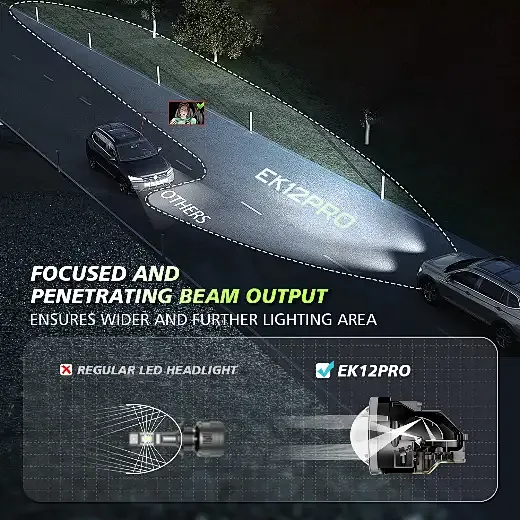
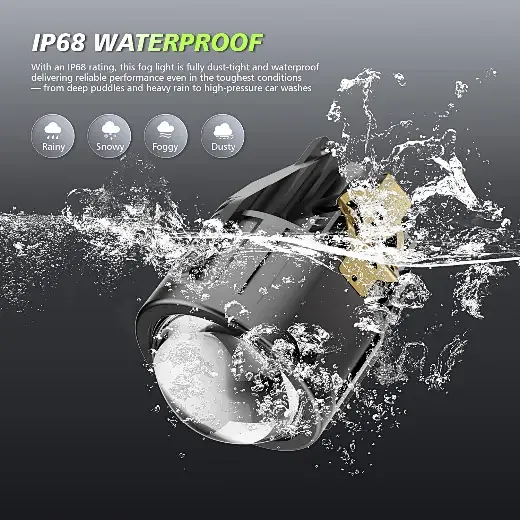
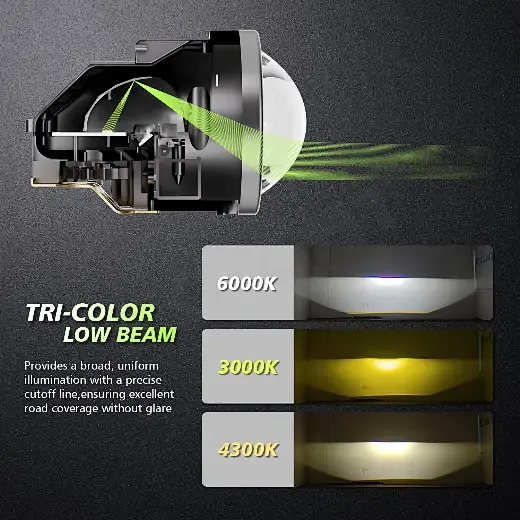
High-lumen LED fog light projector lenses are designed for drivers looking to improve supplemental forward lighting in fog, rain, snow, and other low-visibility conditions. This category brings together projector-style fog light options that focus on how light is directed, not just how much light a product claims to produce. The right choice depends on your vehicle, intended use, local regulations, and the fitment and performance details provided for each product.
Choose Fog Lighting for Real-World Visibility
Fog can make ordinary driving lights feel harsh or unhelpful: light that scatters back from moisture in the air may reduce contrast instead of clarifying the road. A well-matched fog light setup is intended to supplement the vehicle’s primary headlights with illumination suited to conditions close to the road. Projector optics help shape and direct the output, while LED technology is valued by many buyers for its compact lighting format and bright appearance.
More lumens do not automatically mean better visibility. A lumen figure describes light output, but it does not tell you how effectively the beam is aimed, how evenly it illuminates the road, or whether it will cause glare. Lens design, beam pattern, mounting position, adjustment, and compatibility all affect the result. Consider published specifications as a whole rather than choosing solely by the largest brightness number.
Fog lights are supplemental equipment, not a replacement for correctly functioning headlights or cautious driving. Use them in conditions and in ways permitted by local rules, and keep them properly aimed. Clear visibility also depends on clean lenses, sound electrical connections, and appropriate vehicle maintenance.
Match the Projector Lens to Your Vehicle
Before selecting a high lumen LED fog light projector lens, confirm the product’s stated application and compare it with your vehicle’s year, make, model, trim, and existing fog light configuration. Similar-looking vehicles can use different housings, connectors, or mounting points. Where fitment information is available, use it as a starting point and verify dimensions and installation requirements before ordering. Do not assume that a universal appearance means a universal fit.
Review the full product specifications for details that matter to your setup. Depending on the product, these may include dimensions, mounting method, connector type, voltage requirements, beam description, included components, and installation guidance. If any essential detail is missing or unclear, check with the seller or a qualified installer rather than relying on guesswork. Installation may require access behind the bumper or changes to existing wiring, so assess your comfort and the vehicle manufacturer’s guidance first.
- Verify vehicle fitment and compare physical dimensions with the existing housing.
- Check electrical requirements and connector compatibility before installation.
- Look for clear information about beam pattern, adjustment, and included hardware.
- Confirm that the lighting configuration complies with applicable road-use requirements.
Make a Confident, Responsible Purchase
A dependable buying decision starts with transparent product information rather than broad promises. Compare stated output with beam details, fitment information, installation instructions, and warranty or support terms where provided. Read product descriptions carefully and contact the seller if you need confirmation about compatibility. Since brand and product-specific details have not been supplied for this category, no particular construction material, certification, warranty, or performance result should be assumed.
After installation, check that the lamps are secure, wiring is protected, and the beam is aimed correctly. Test the lights in a safe setting and make adjustments according to the product instructions and local requirements. Avoid aiming them higher to create the impression of greater range; excessive glare can reduce safety for other road users. Clean lenses periodically and inspect the system if output changes, flickering occurs, or moisture appears where it should not.
Whether you are replacing an existing fog light or considering a projector-style upgrade, focus on a balanced match between vehicle fit, useful beam control, clear specifications, and legal use. A carefully chosen option can add practical supplemental lighting when weather reduces visibility, while realistic expectations help ensure that brightness claims are not mistaken for guaranteed driving performance.
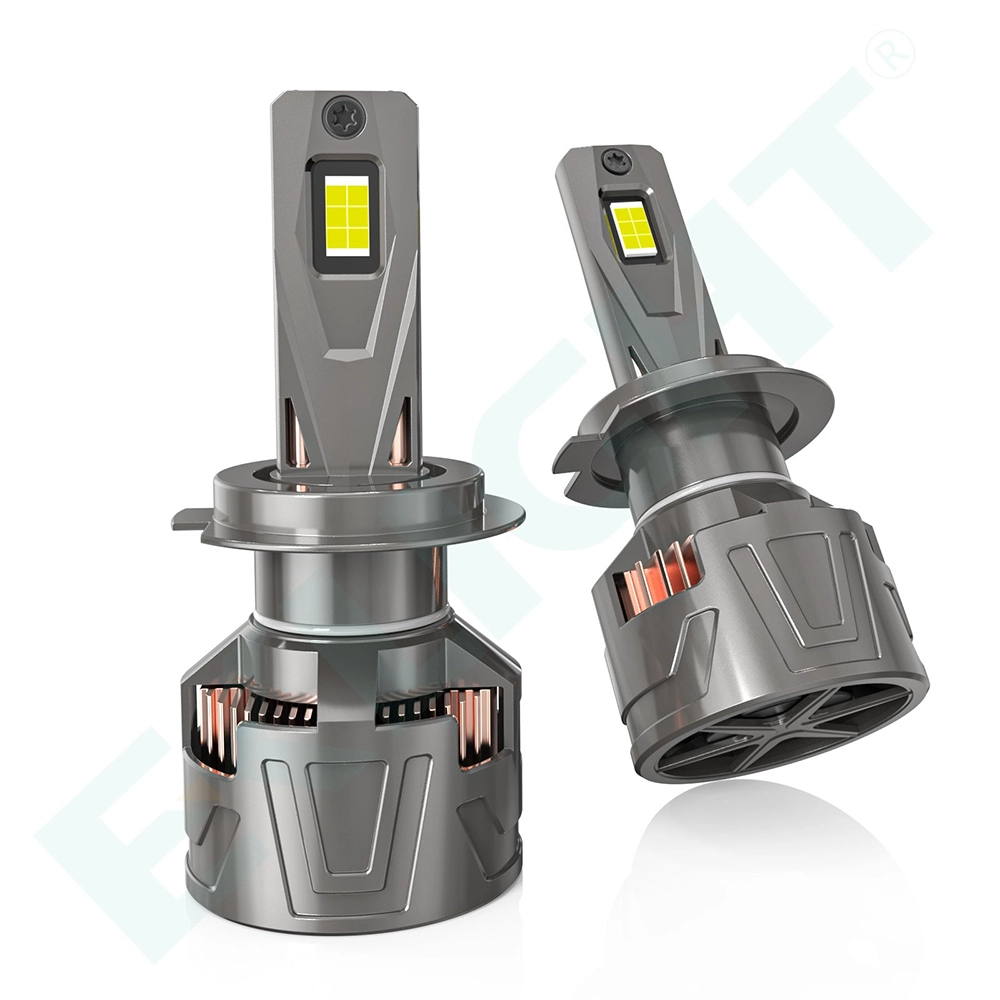
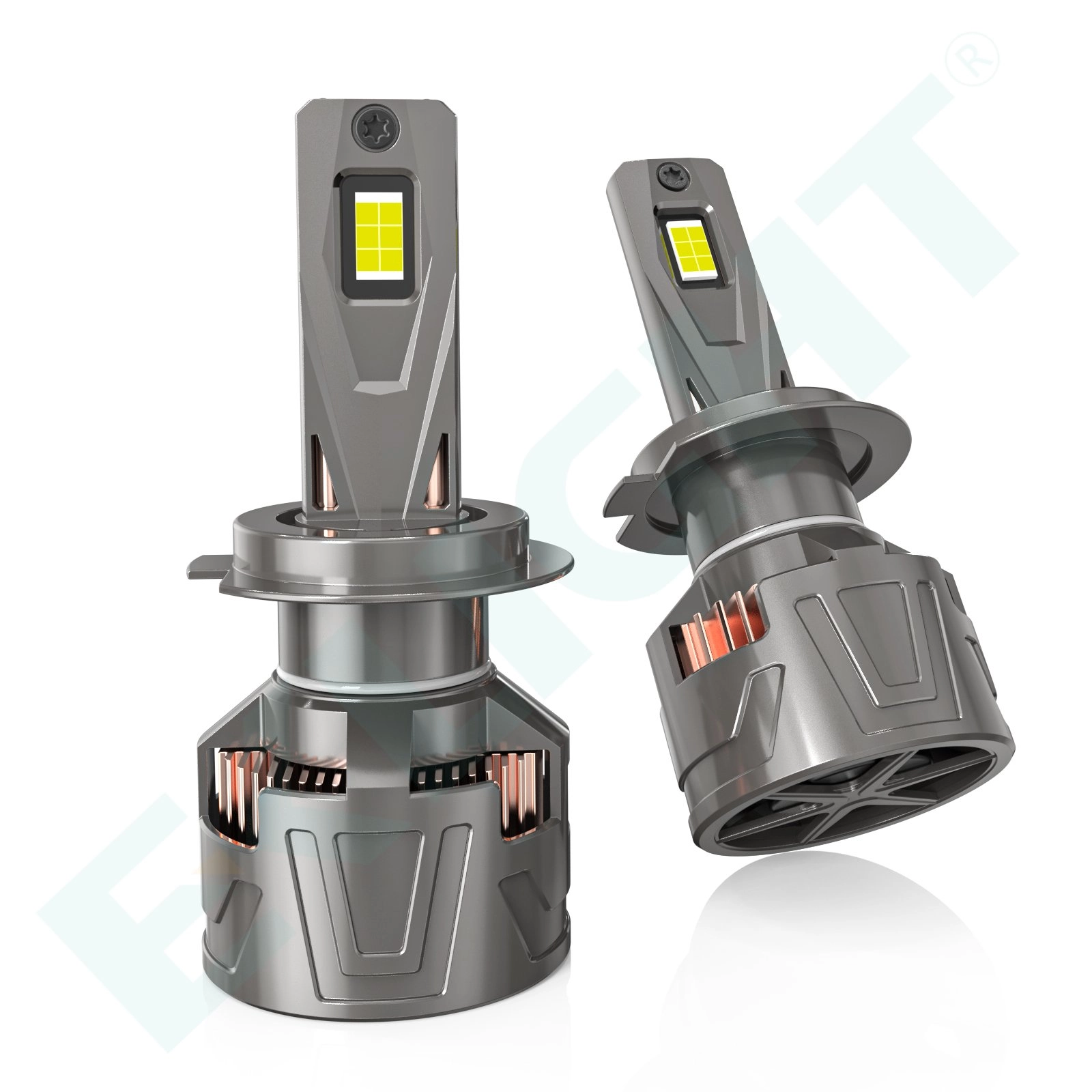
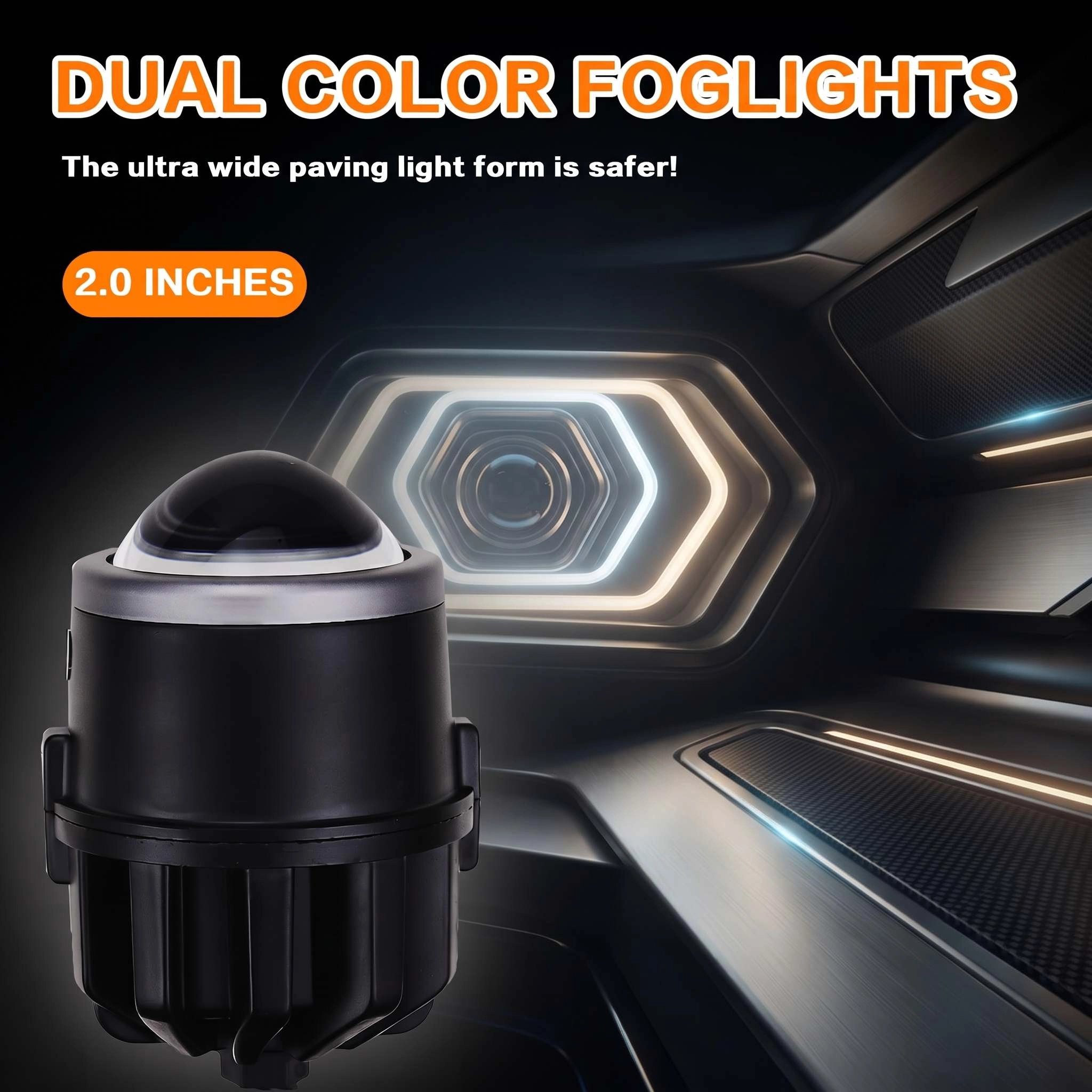
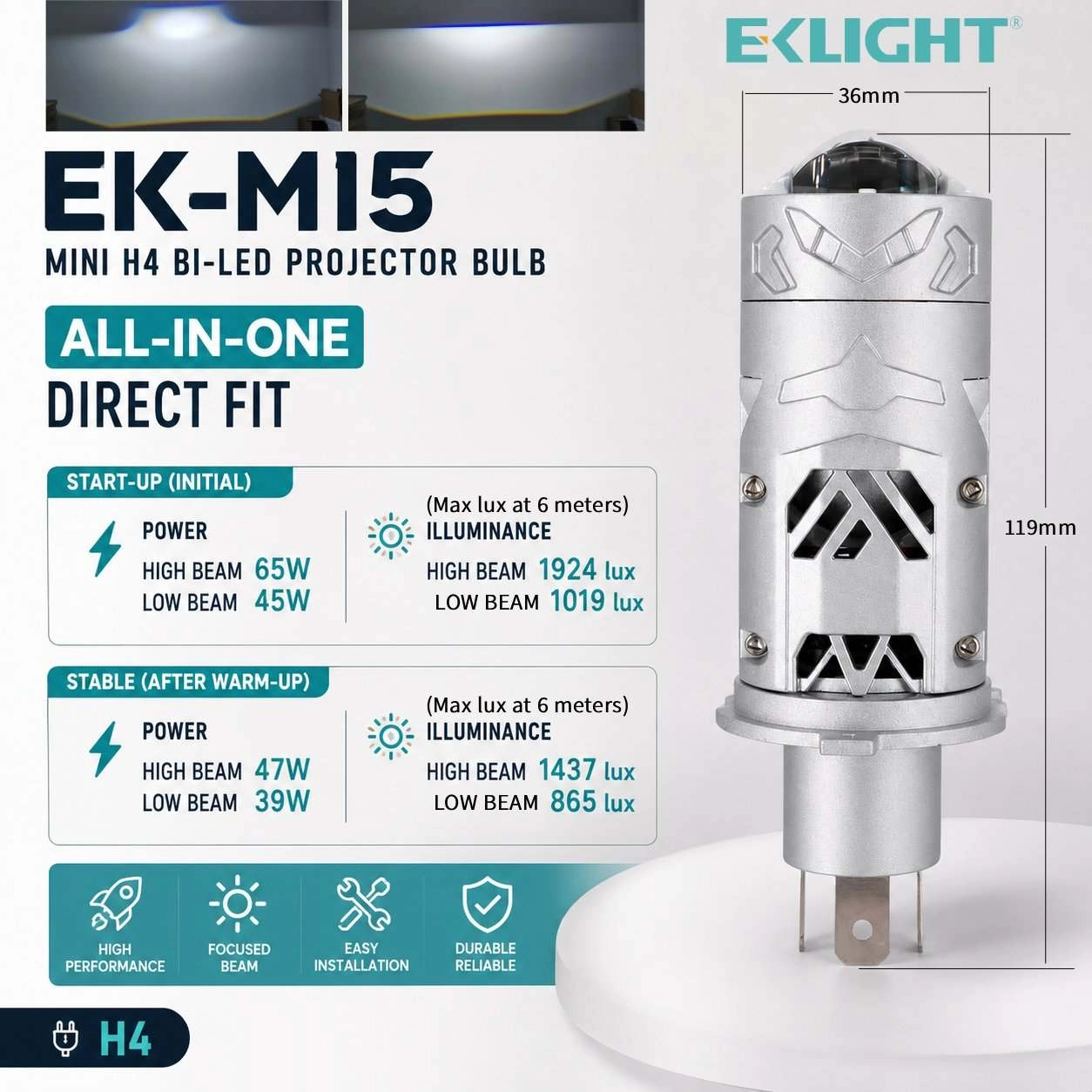
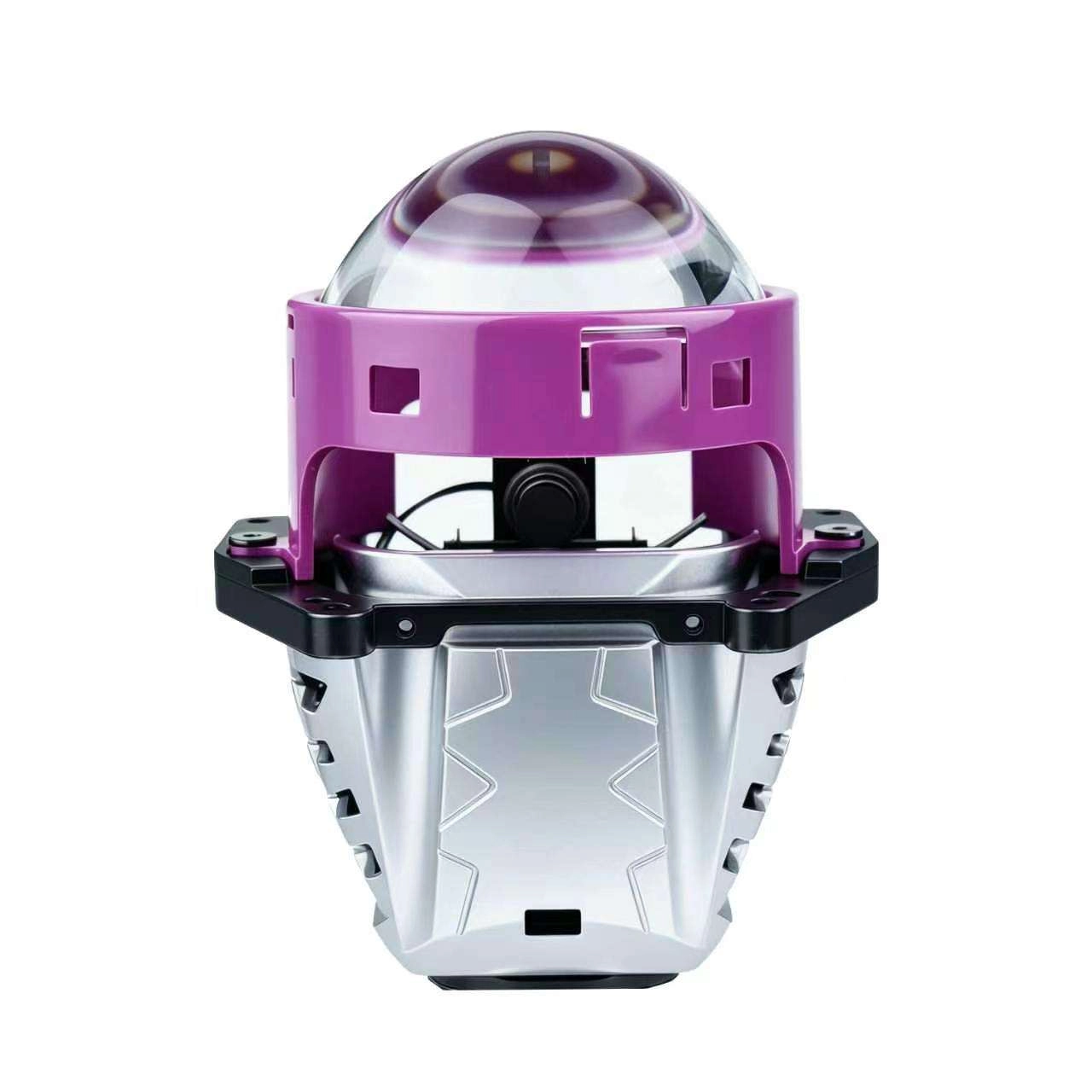
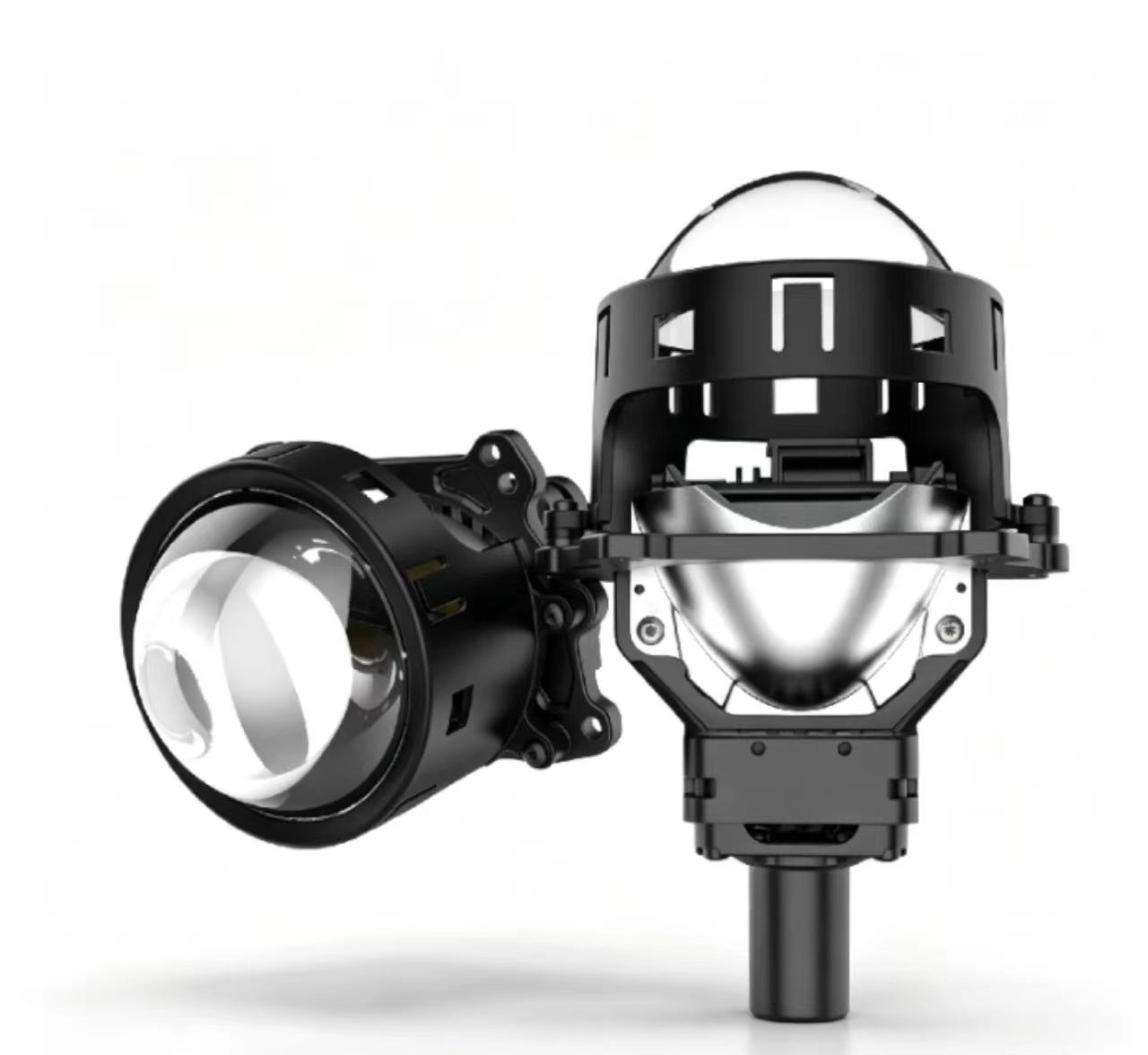
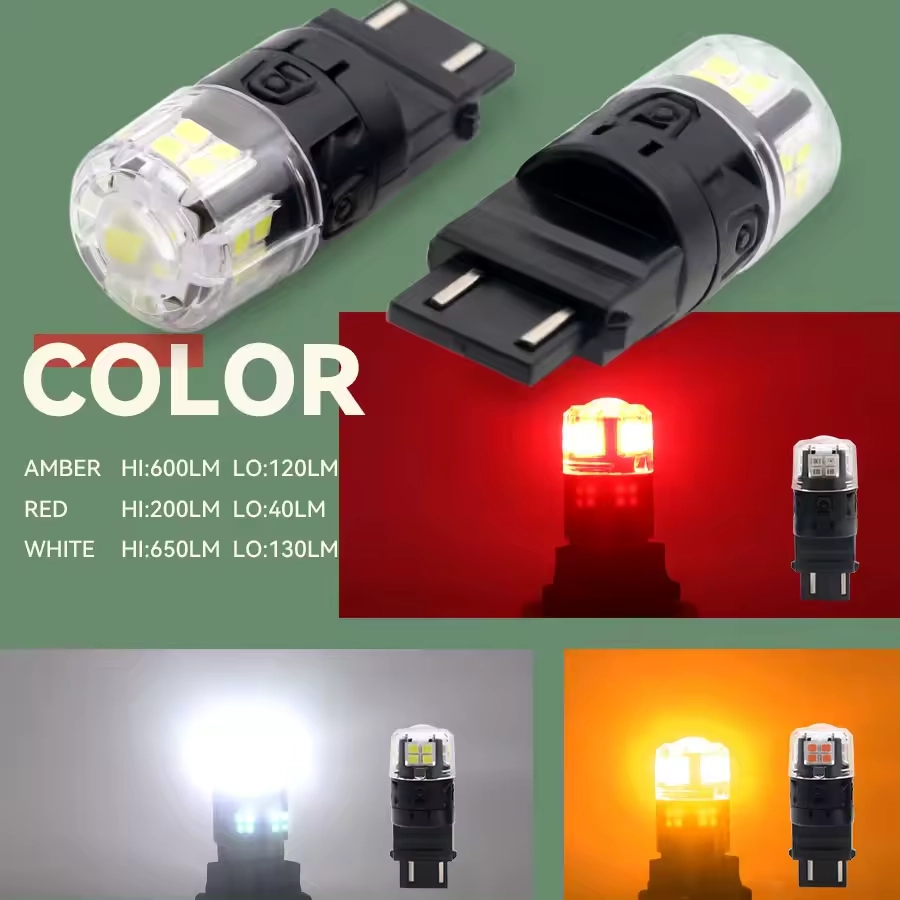
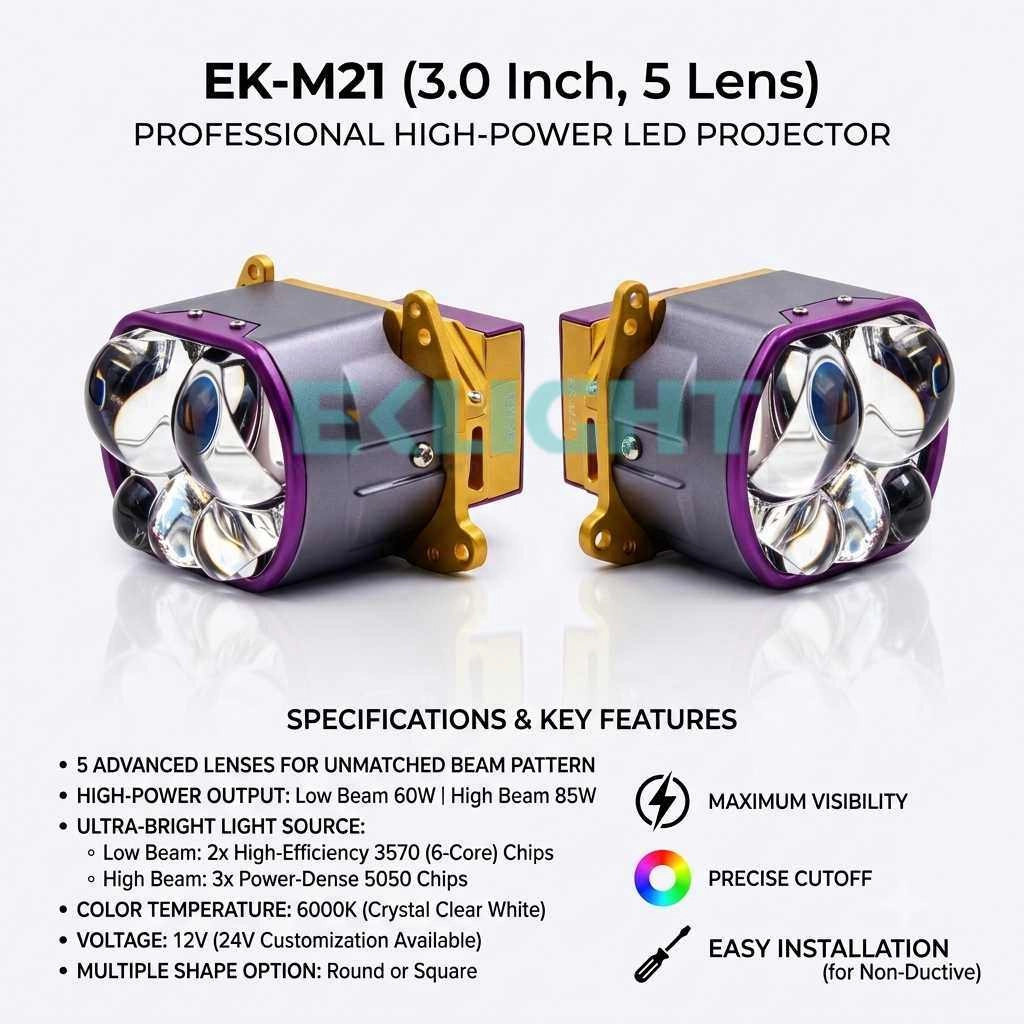
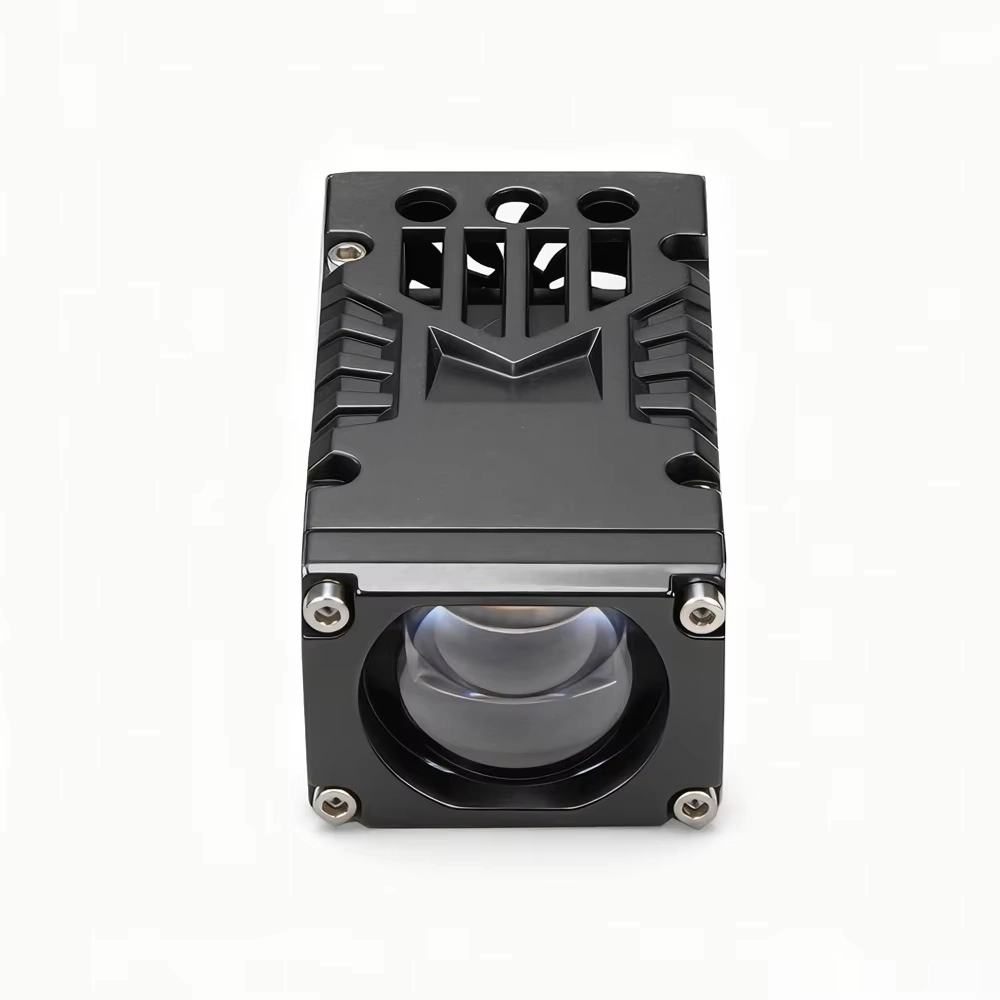
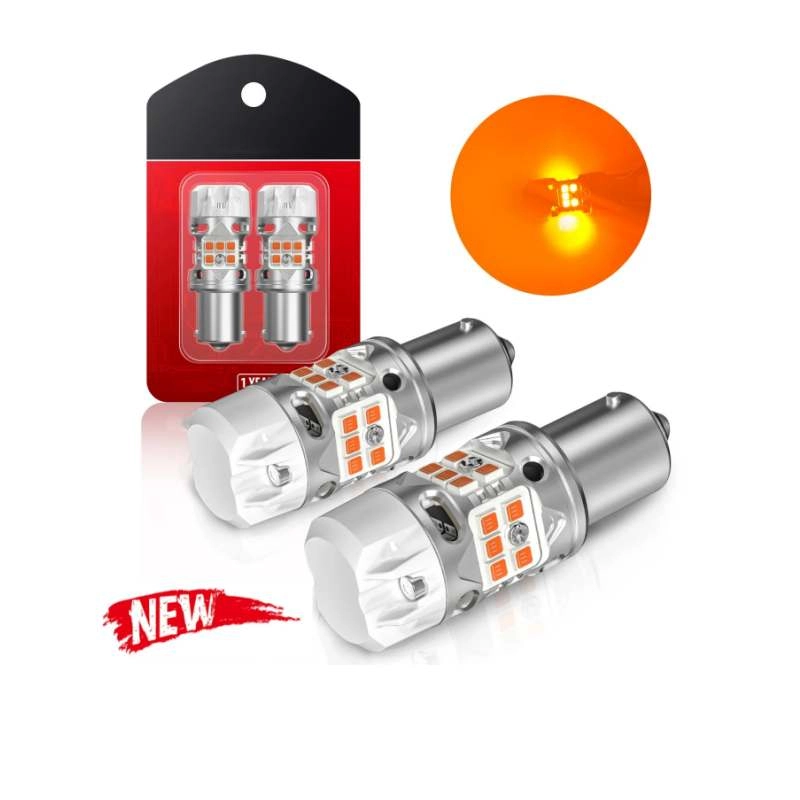
high lumen LED fog light projector lens Display
FAQ
Do more lumens always mean better fog light visibility?
No. Lumens describe light output, but they do not show how well the beam is shaped or aimed. Beam pattern, lens design, mounting position, and adjustment also affect useful visibility and glare. Compare complete product specifications rather than choosing by lumen claims alone.
How can I check whether a projector fog light lens fits my vehicle?
Check the stated application against your vehicle’s year, make, model, and trim, then verify dimensions, mounting points, and connector details where available. Vehicles that look similar may use different housings or wiring. Ask the seller or a qualified installer if fitment information is unclear.
Are LED projector fog lights a replacement for headlights?
No. Fog lights are supplemental lighting and are not intended to replace properly functioning headlights. Use each lighting system as appropriate for conditions and local regulations, and drive cautiously when visibility is reduced.
Can I install LED fog light projector lenses myself?
Installation depends on the vehicle and the product. Some installations may require access behind the bumper or changes to existing wiring. Review the instructions, vehicle guidance, fitment details, and electrical requirements first; consult a qualified installer if the work is beyond your experience.
What should I check after installing fog light projectors?
Confirm the lamps are secure, electrical connections are sound, and the beam is correctly aimed in accordance with product instructions and local rules. Test the lights safely, avoid aiming them high enough to cause glare, and inspect and clean the lenses periodically.
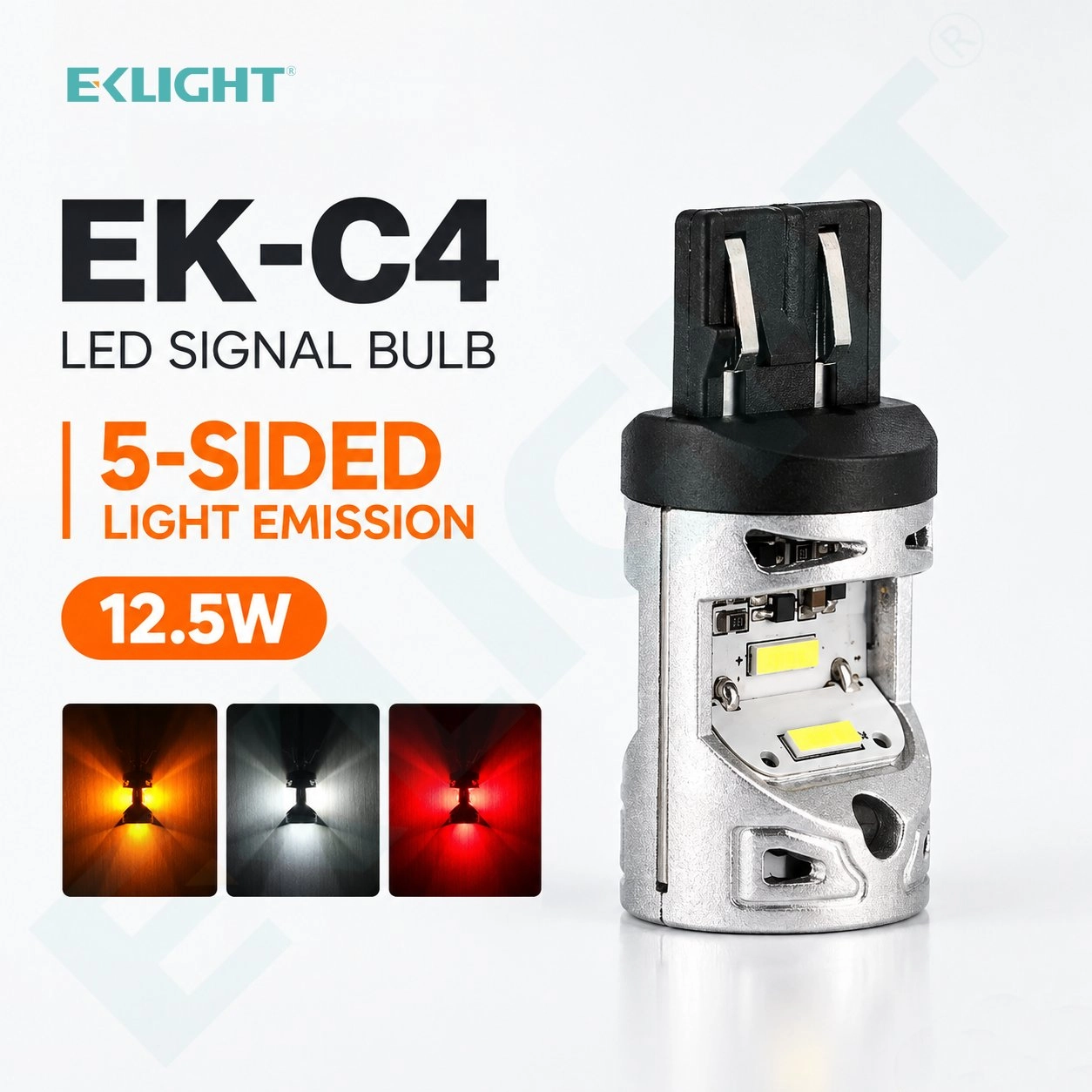
EKLIGHT delivers innovative, high-quality LED lighting solutions trusted by global partners.
We empower businesses with reliable products that enhance performance and drive success.
Contact EKLIGHT
Address : Building C, Dehuiwanggang Industrial Zone, No. 38 Wanggang Industrial three road, Baiyun district, Guanghzou, Guangdong province, China.
© 2026 EKLIGHT. All Rights Reserved.
EKLIGHT
EK
EK
EK
EK