


H7 LED Headlights: A Practical Guide to Choosing the Right Upgrade
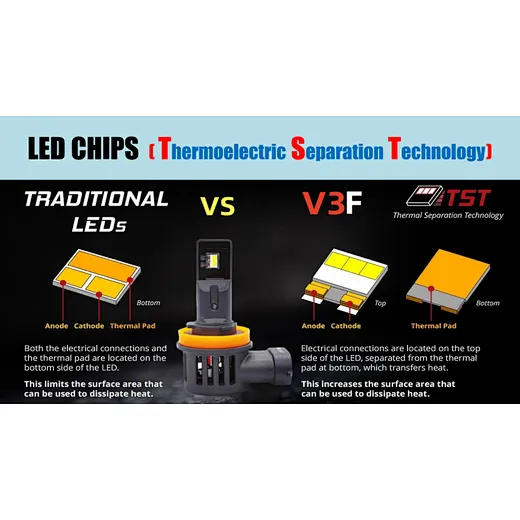
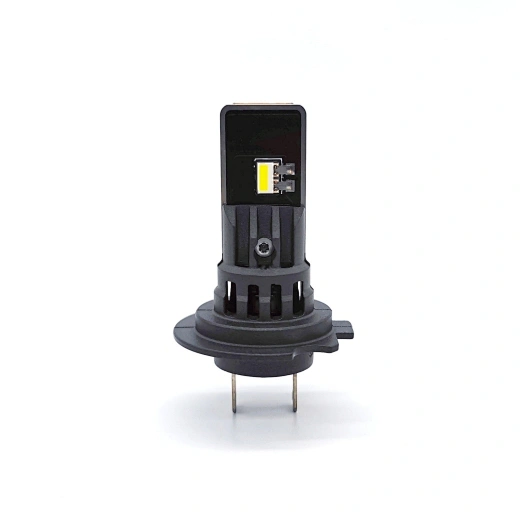
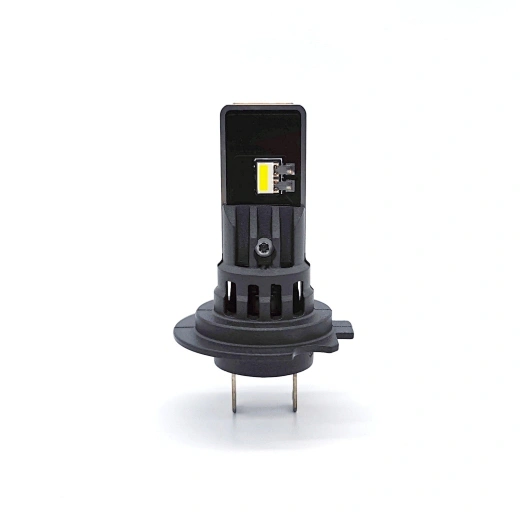
An H7 LED headlight can be an option for drivers looking to update a vehicle’s existing H7 headlamp setup. The right choice depends on more than brightness: confirm the bulb type, check vehicle and headlamp compatibility, consider beam pattern and installation requirements, and review local regulations before buying. This category guide explains what to assess so you can compare options with greater confidence and prioritize safe, appropriate lighting for everyday driving.
What to Consider When Choosing an H7 LED Headlight
Start with fitment. H7 describes a bulb type, but that alone does not establish that an LED replacement will work correctly in every vehicle using an H7 bulb. Headlamp design, available space, electrical connections, and vehicle-specific monitoring systems may affect compatibility. Check your owner’s manual and the product’s stated fitment information, and seek qualified advice if the requirements are unclear.
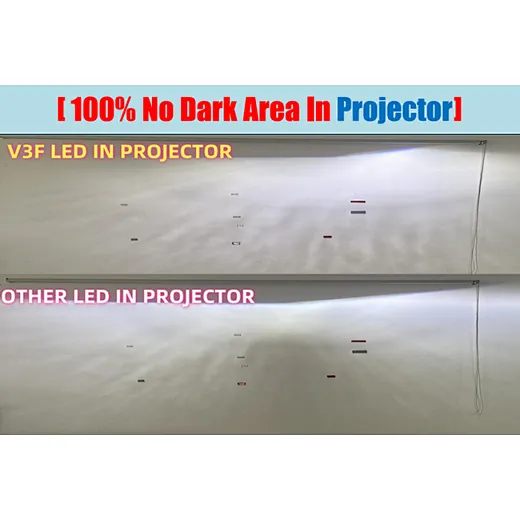
Next, consider how the light performs in your particular headlamp. A useful beam should illuminate the road where you need it without creating excessive glare for other road users. LED bulbs and halogen bulbs can differ in their light source position and shape, so a replacement that physically fits may not necessarily produce an appropriate beam pattern in a reflector or projector housing. Look for clear product information about intended applications, and have the headlights checked and aimed after installation.
Brightness claims are only one part of the comparison. Color appearance, light distribution, build details, and any stated operating or installation requirements also matter. A higher advertised output does not, by itself, guarantee better visibility or make a bulb suitable for a specific headlamp. Prioritize credible, specific information over broad performance promises, and choose according to your vehicle’s requirements and your driving conditions.
- Fitment: Confirm the H7 specification and verify compatibility with the vehicle and headlamp assembly.
- Beam quality: Consider whether the light pattern is appropriate for the original housing and can be aimed correctly.
- Installation: Check connector access, available space, and whether any vehicle-specific steps are required.
- Road-use rules: Confirm that the chosen bulb and headlamp combination is permitted where the vehicle is driven.
Fit, Installation, and Responsible Road Use
Before ordering, compare the bulb specification in your vehicle documentation with the details provided for the product. Also check whether the rear of the headlamp has enough room for the bulb and any attached components, and whether the original dust cover can be refitted as intended. These practical checks can help prevent avoidable fitment issues. If product information does not clearly answer a compatibility question, verify it with the supplier or a qualified vehicle-lighting professional rather than assuming that a shared bulb code guarantees a match.
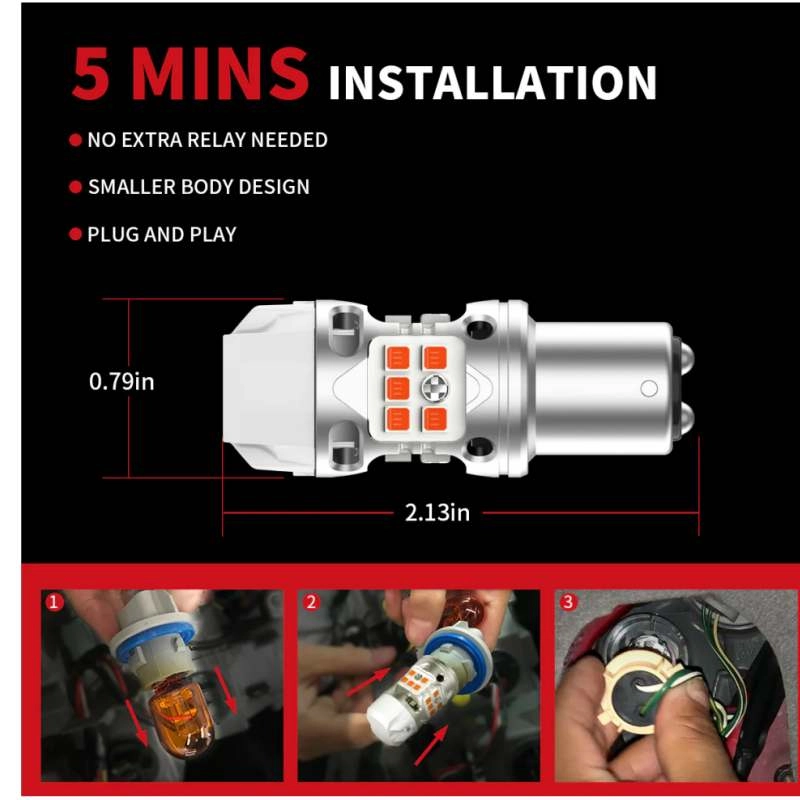
Installation can vary between vehicles. Some bulbs may be accessible with straightforward tools, while others can require additional steps or limited-space work. Follow the vehicle and product instructions, avoid touching sensitive optical surfaces, and make sure all covers and connections are properly secured. If wiring changes or additional components appear necessary, pause and confirm that the proposed setup is suitable for the vehicle before proceeding.
After fitting, check that both headlights operate correctly and that the beam is aimed appropriately. A poorly aligned headlamp can reduce useful road illumination or cause glare, even when the bulb itself is functioning. Local requirements also vary: approval may depend on the bulb, the headlamp assembly, the vehicle, and where it is used. Confirm the rules that apply in your area before using an LED replacement on public roads. When compatibility or compliance is uncertain, consult a qualified professional or the relevant authority.
Choosing carefully makes the category easier to navigate: verify the H7 application, evaluate the complete headlamp setup, and give equal attention to fit, beam control, and legal use. This approach helps drivers compare an H7 LED headlight on relevant criteria instead of relying on a single specification or headline claim.
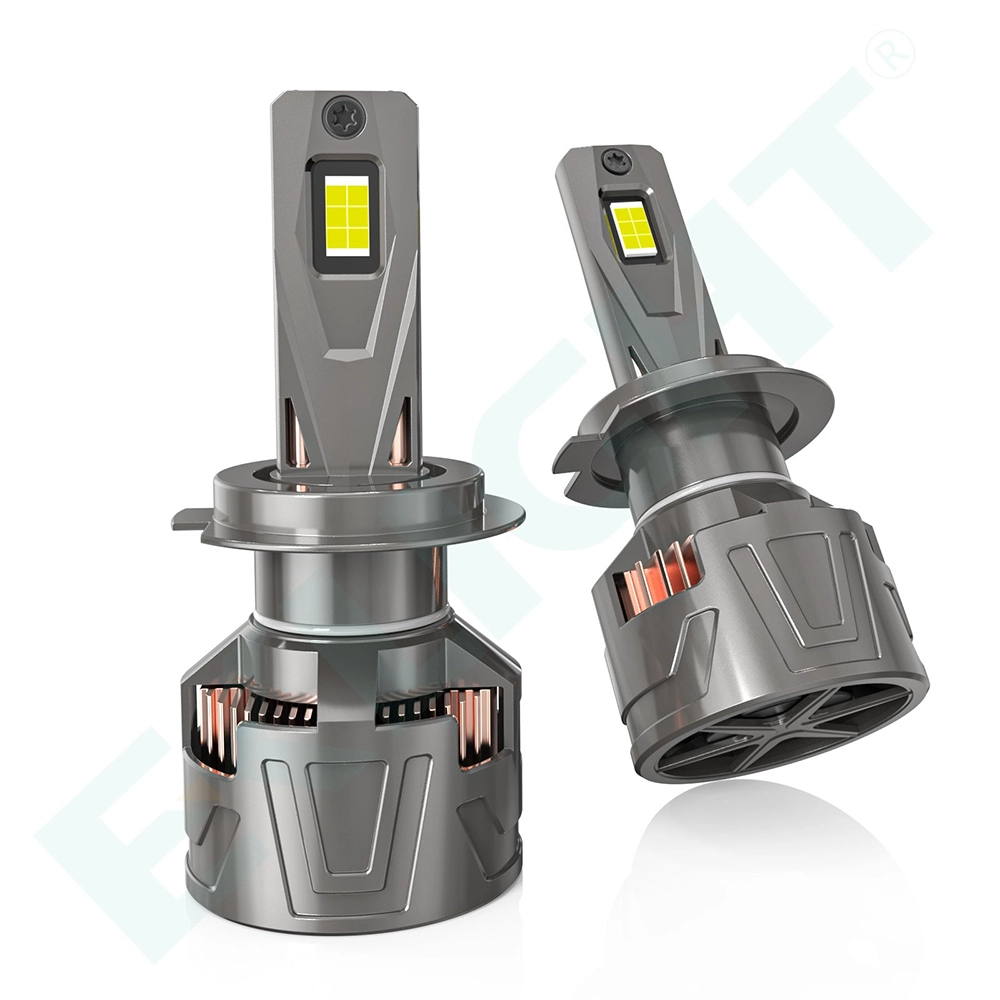
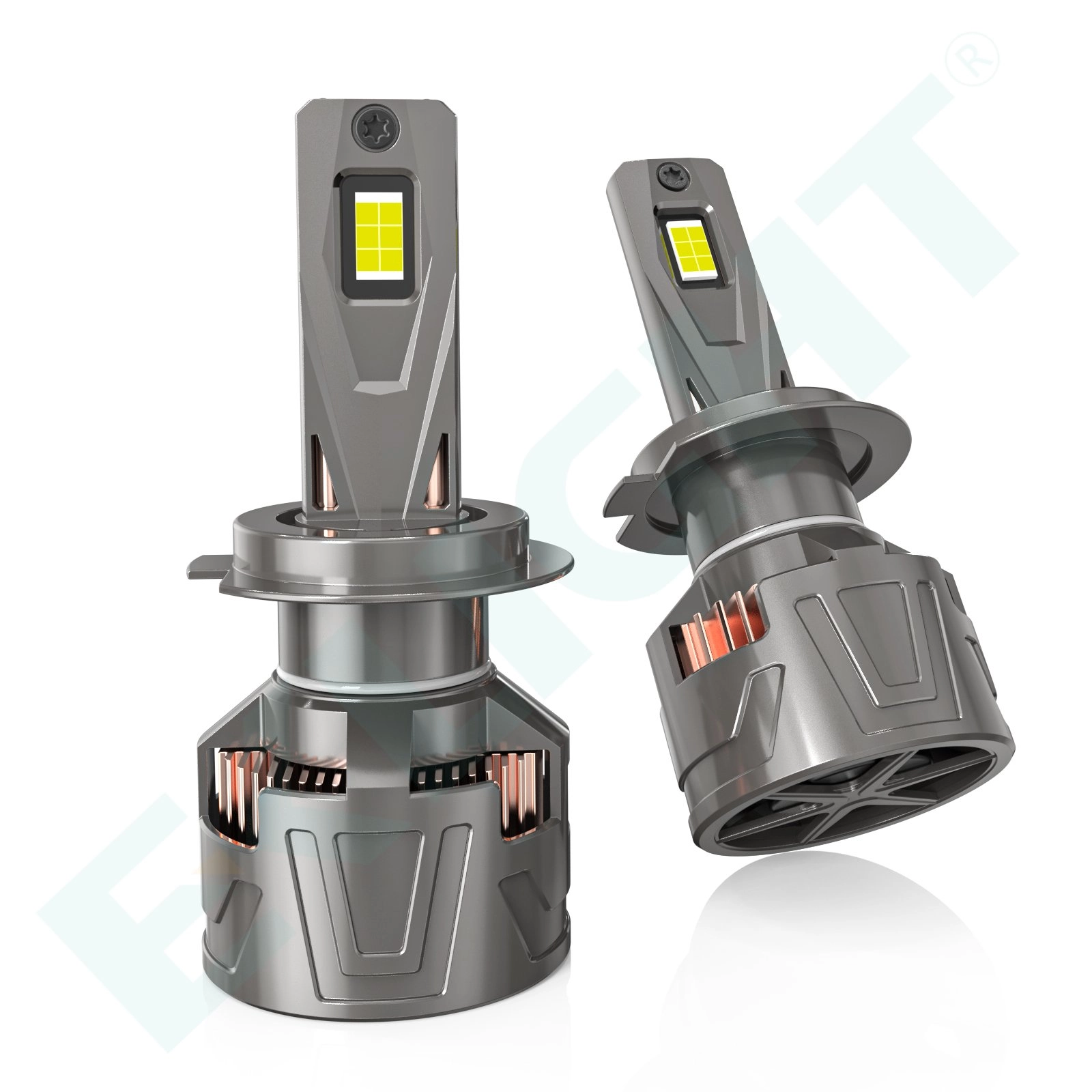
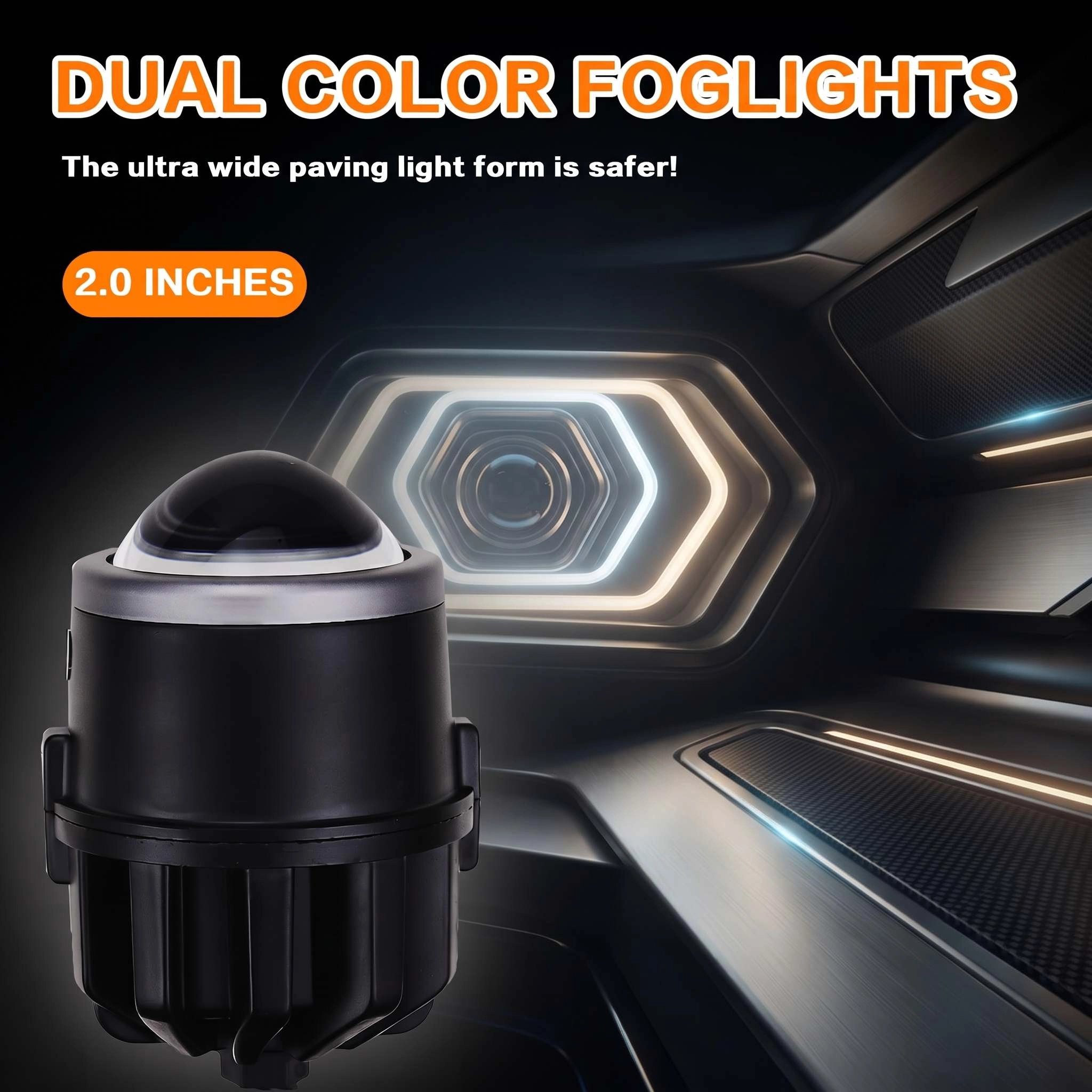
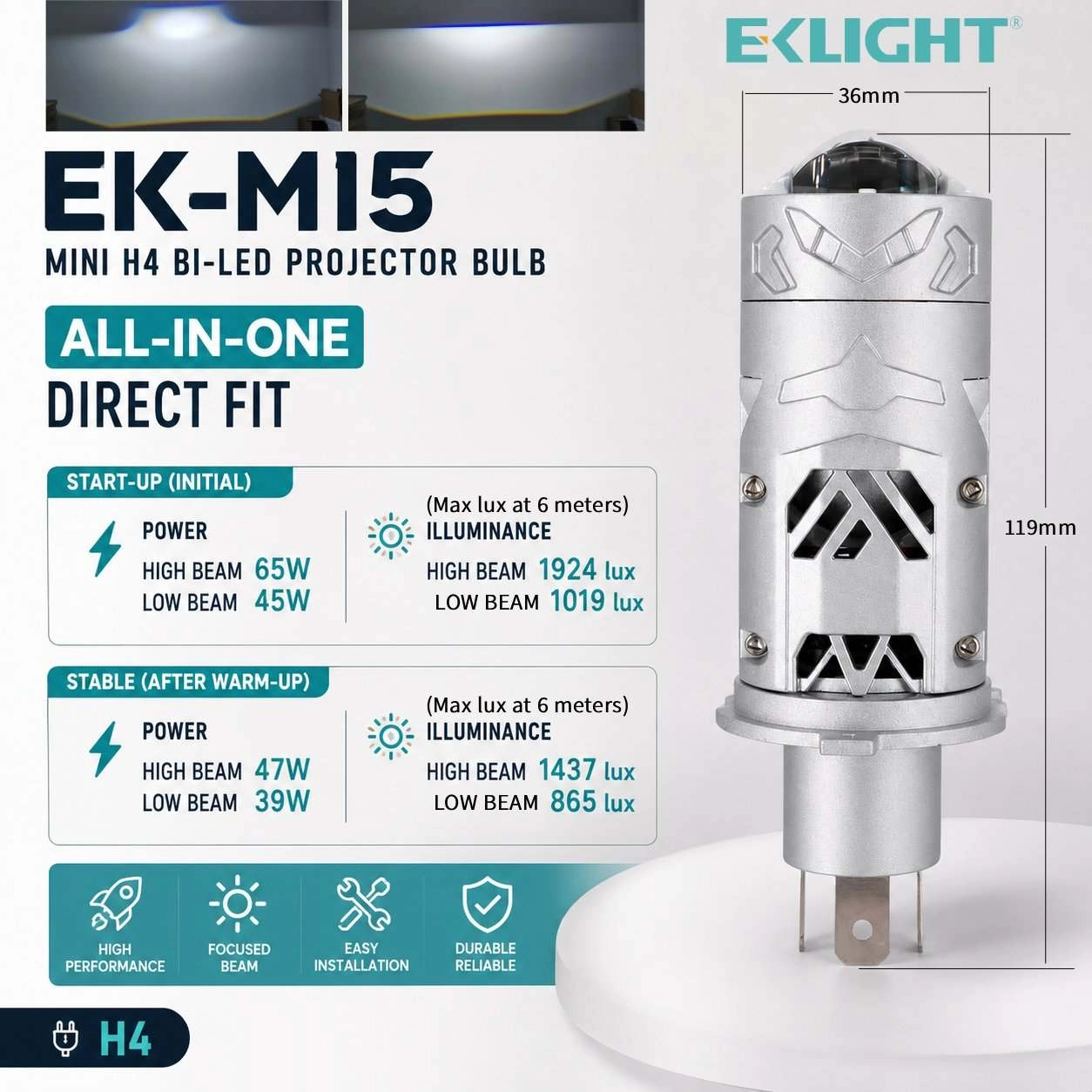
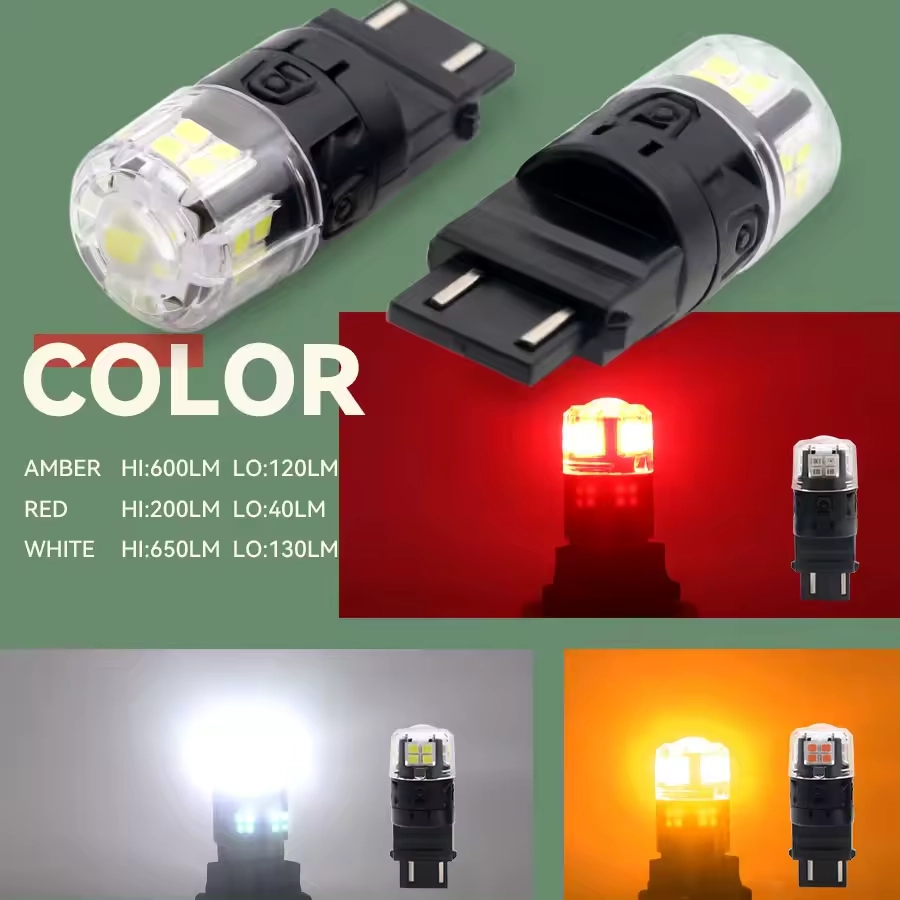
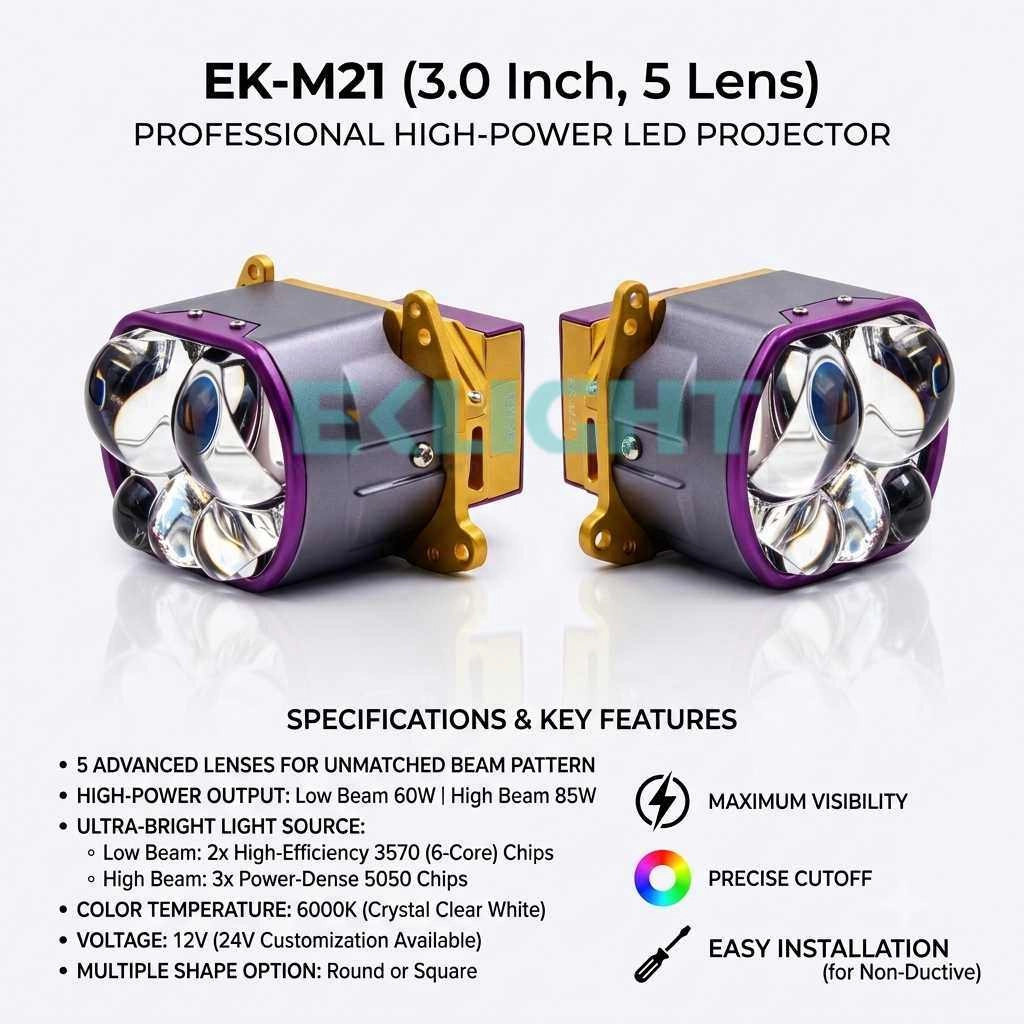
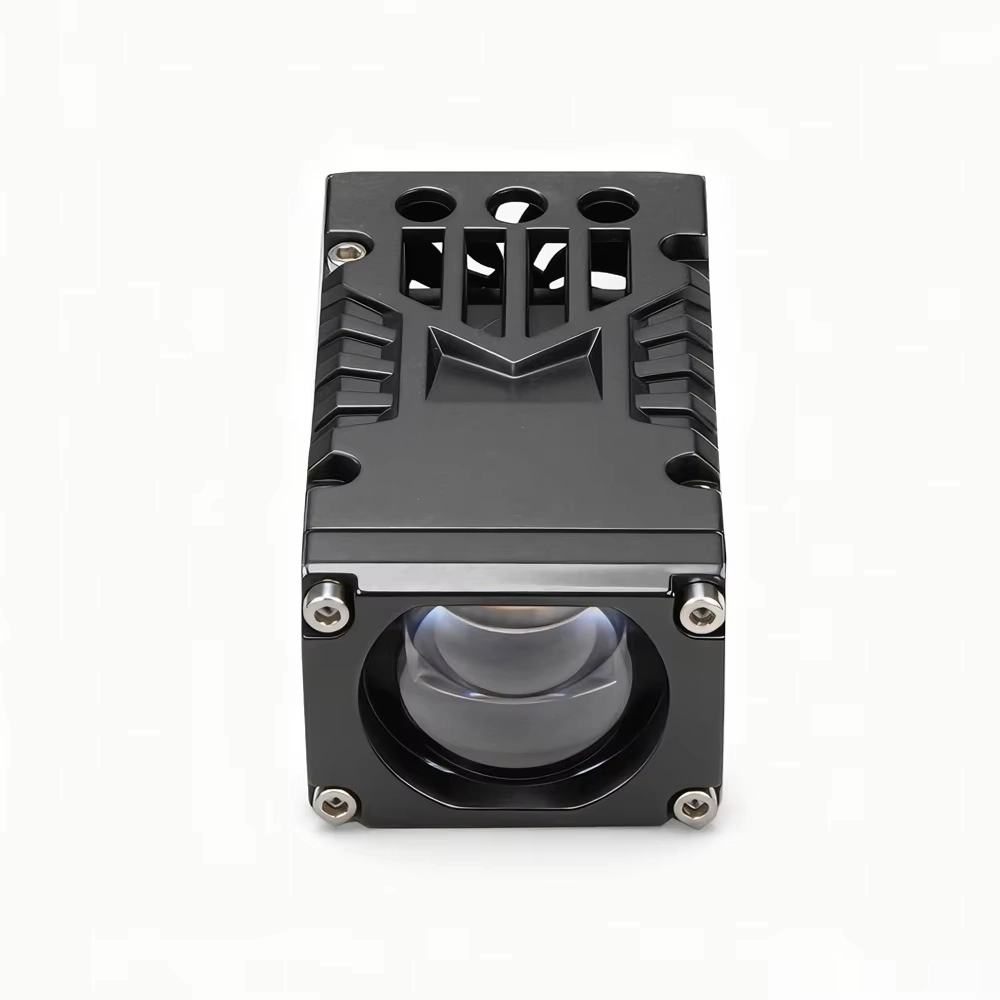
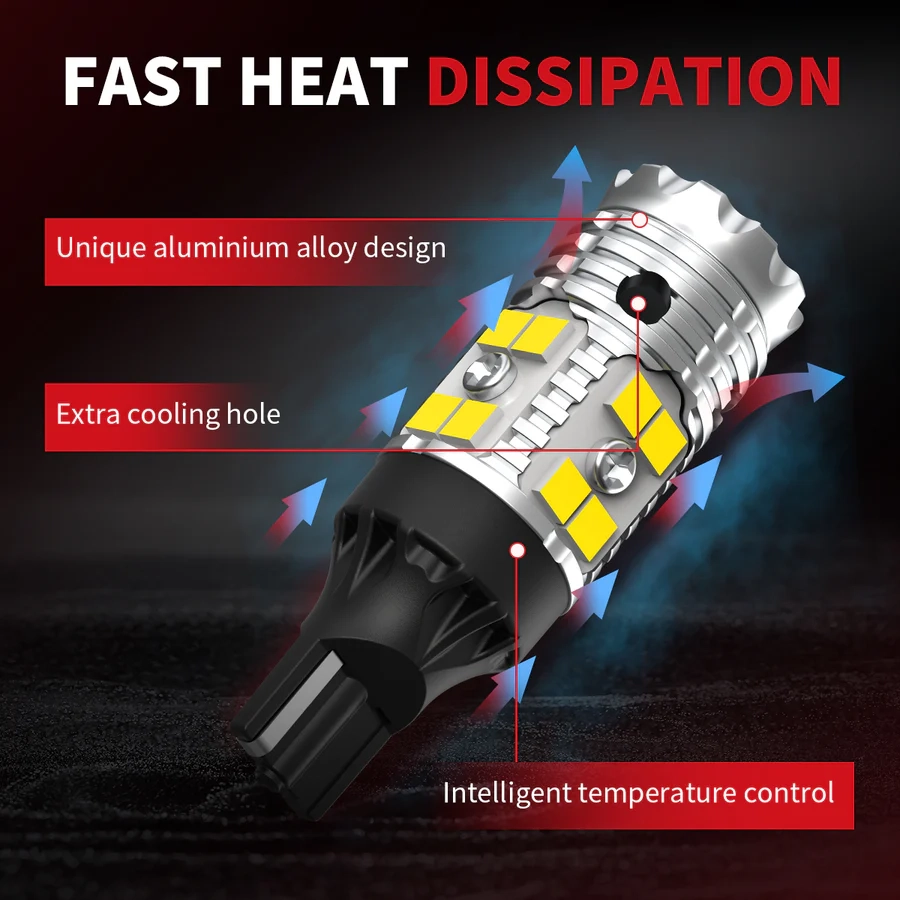
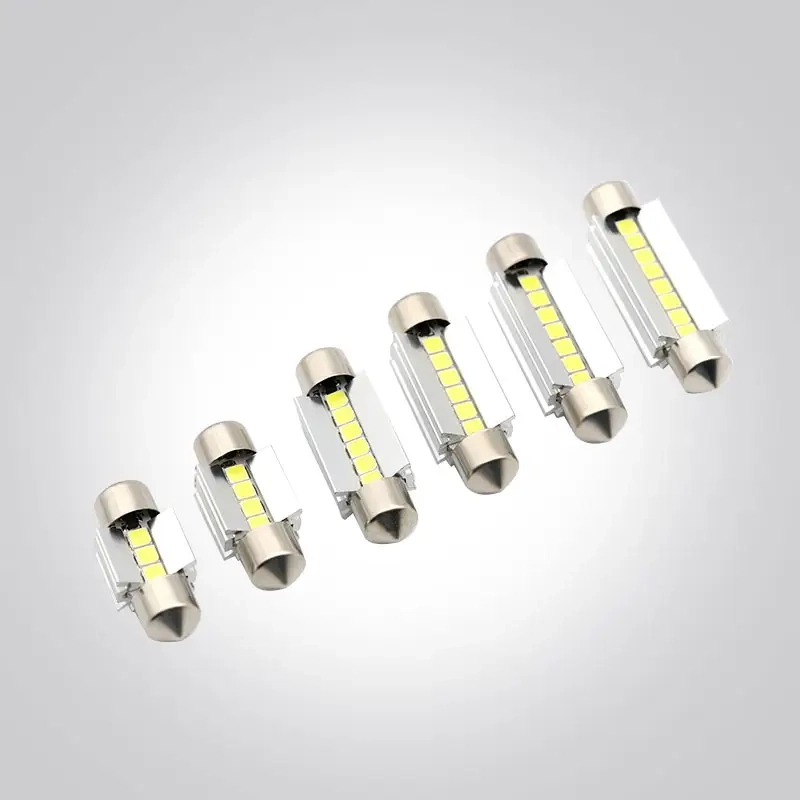
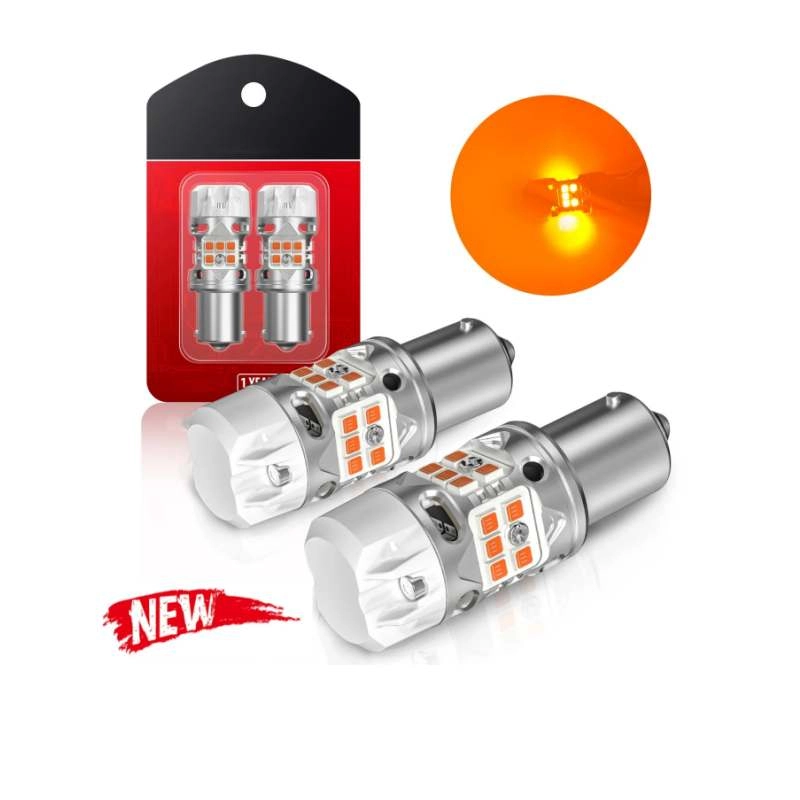
h7 led headlight Display
FAQ
Does an H7 LED headlight fit every vehicle that uses an H7 bulb?
No. H7 describes a bulb type, but vehicle and headlamp compatibility can also depend on the headlamp design, available space, electrical connections, and vehicle-specific systems. Check your owner’s manual and the product’s stated fitment information.
Will an H7 LED replacement produce the same beam pattern as a halogen bulb?
Not necessarily. LED and halogen bulbs can differ in the position and shape of their light source, which may affect how a reflector or projector headlamp distributes light. Confirm that the beam is appropriate for the headlamp and have it checked and aimed after installation.
What should I check before buying an H7 LED headlight?
Confirm the H7 specification and vehicle fitment, then consider beam quality, installation access, available space, and local road-use rules. Do not rely on brightness claims alone to determine suitability.
Can I install an H7 LED bulb myself?
Installation varies by vehicle. Follow the vehicle and product instructions, check access and clearance, and make sure connections and covers are properly secured. If wiring changes or additional components appear necessary, verify the setup with a qualified professional before proceeding.
Are H7 LED headlight replacements legal for road use?
Rules vary by location, and approval may depend on the bulb, headlamp assembly, and vehicle combination. Confirm the requirements that apply where you drive before using an LED replacement on public roads; consult a qualified professional or relevant authority if unsure.
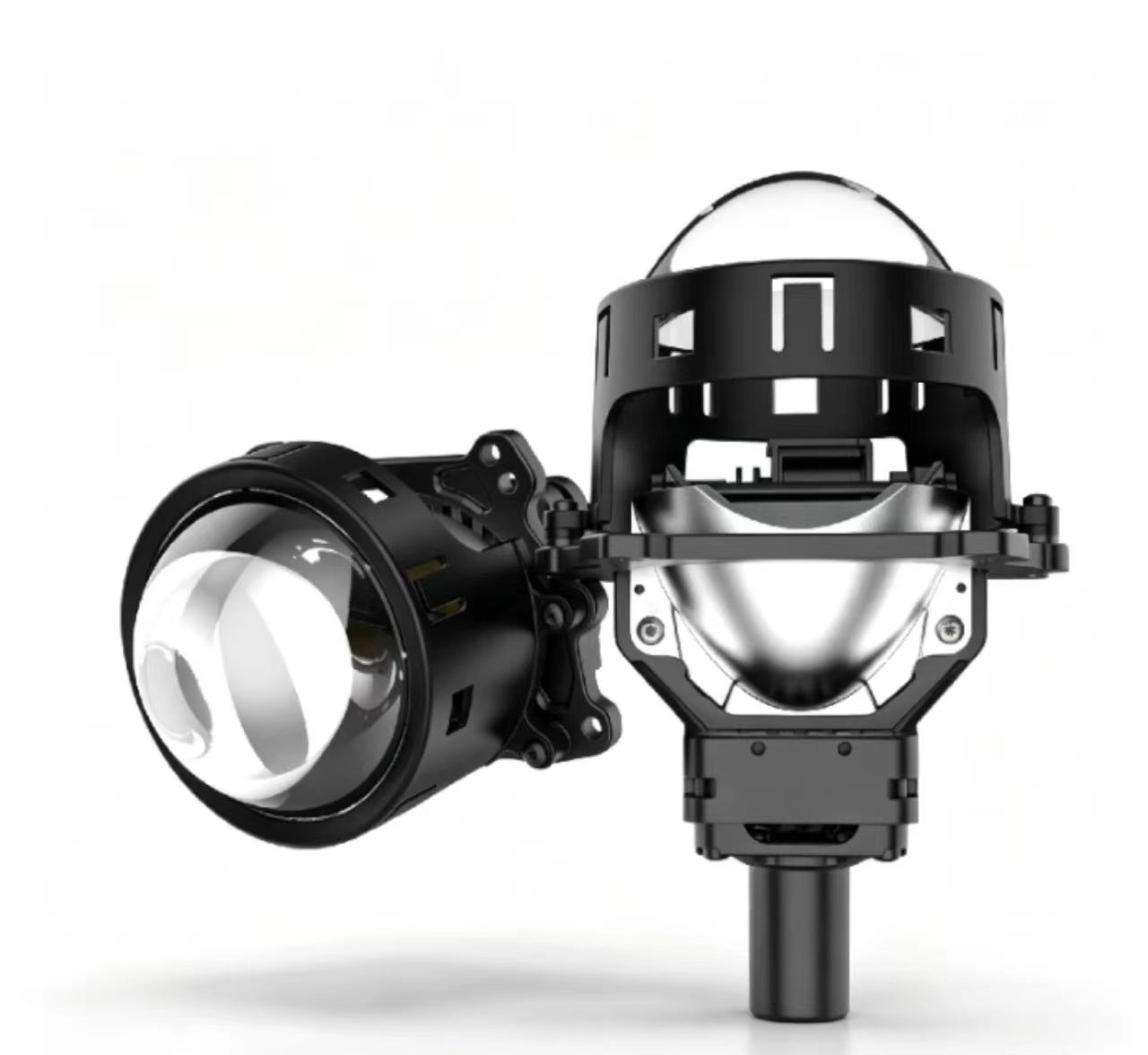
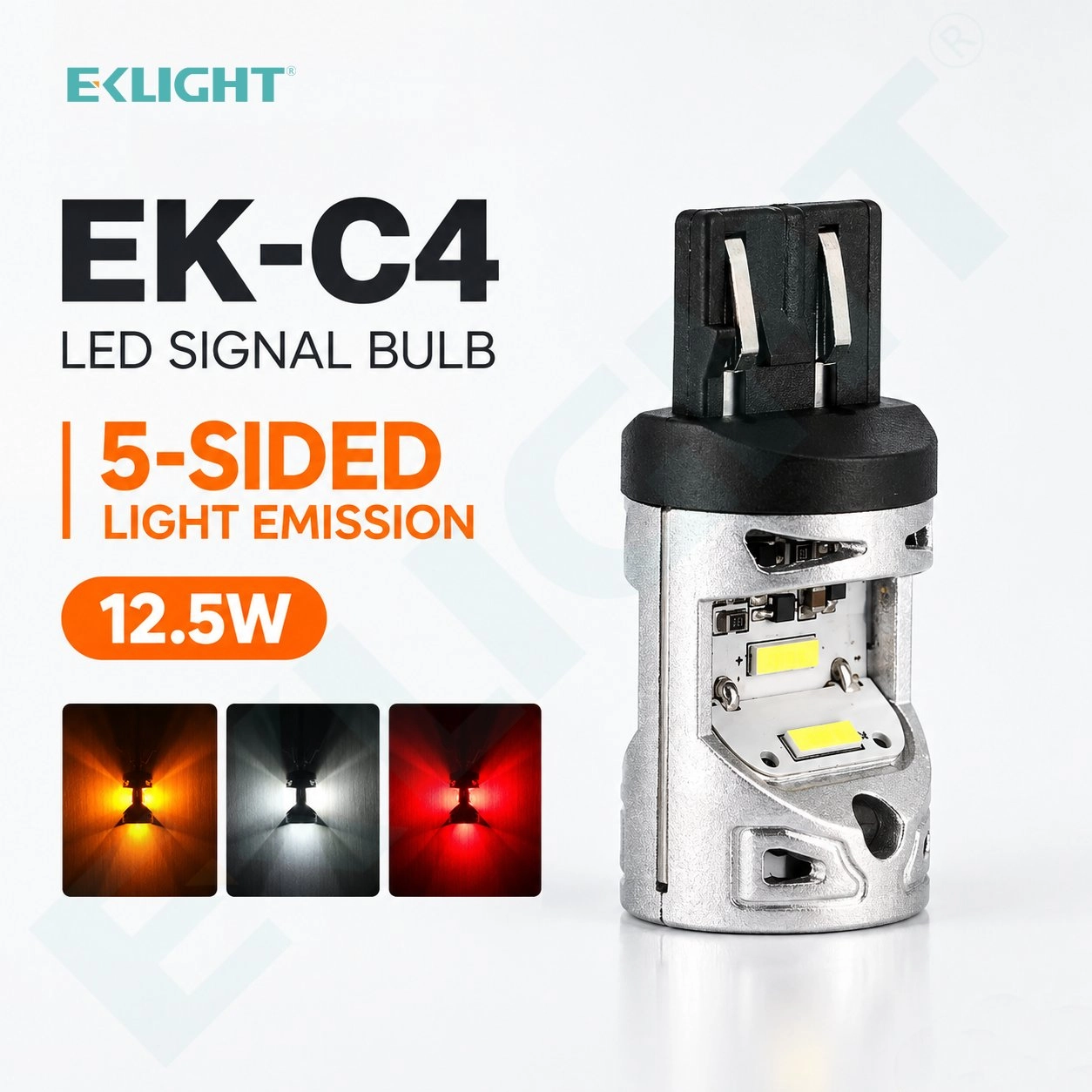
EKLIGHT delivers innovative, high-quality LED lighting solutions trusted by global partners.
We empower businesses with reliable products that enhance performance and drive success.
Contact EKLIGHT
Address : Building C, Dehuiwanggang Industrial Zone, No. 38 Wanggang Industrial three road, Baiyun district, Guanghzou, Guangdong province, China.
© 2026 EKLIGHT. All Rights Reserved.
EKLIGHT
EK
EK
EK
EK