


H3 LED Bulbs for a Clearer, More Considered Lighting Upgrade
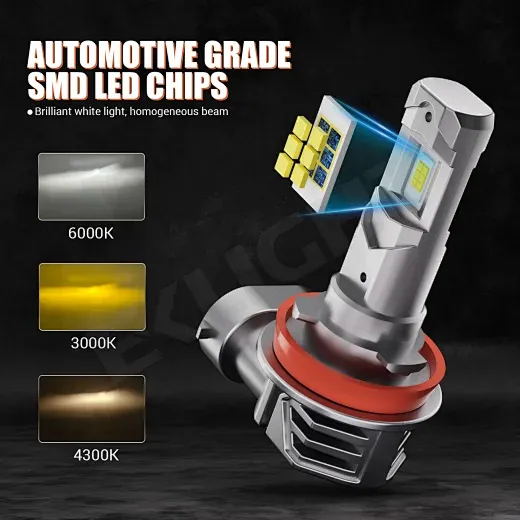
H3 LED bulbs are replacement light sources designed for lamps that use an H3 fitting. When choosing an upgrade, start with compatibility: confirm the bulb type in your vehicle manual or the existing lamp, then compare the product’s dimensions, electrical requirements, and installation design with the space available. A well-matched bulb can offer an alternative to a conventional halogen source, but safe, useful lighting also depends on the lamp housing, beam pattern, and applicable road regulations.
Choose the right H3 replacement for your vehicle
H3 is a bulb-fitment designation, not a guarantee that a product will suit every vehicle or every lighting position. Before browsing specifications, establish which lamp needs a replacement—such as a fog lamp or another auxiliary application—and check the owner’s manual or the bulb marking. If the original bulb is available, use its type and specifications as a reference rather than relying on appearance alone.
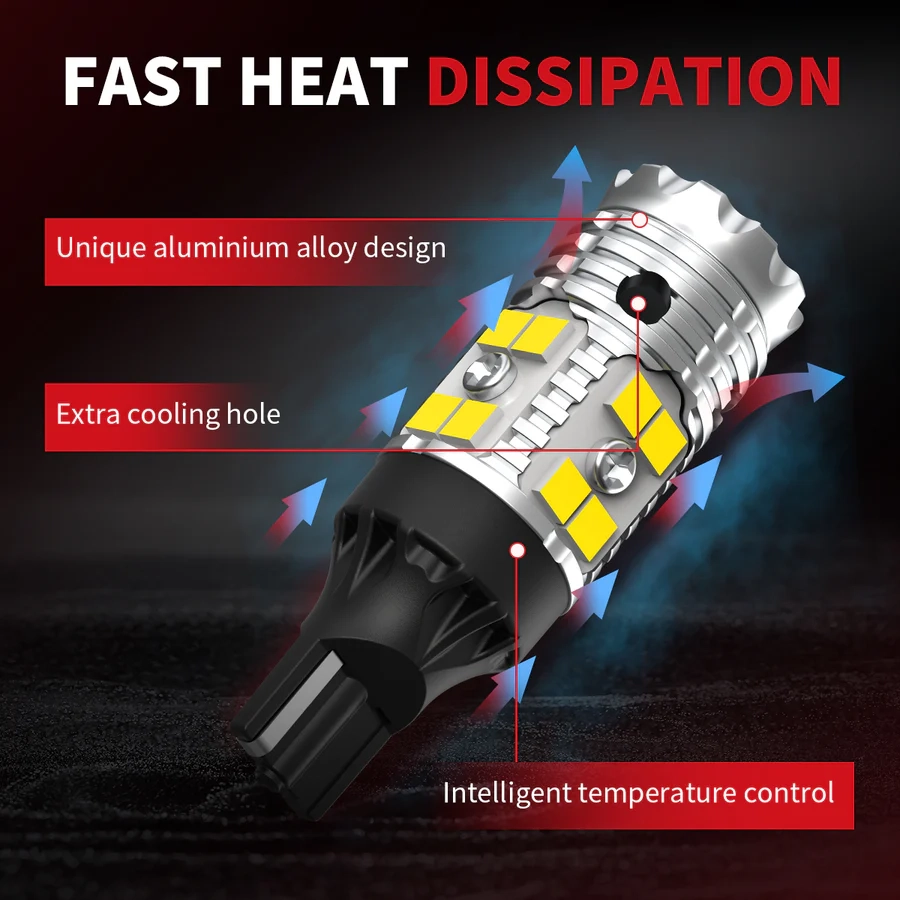
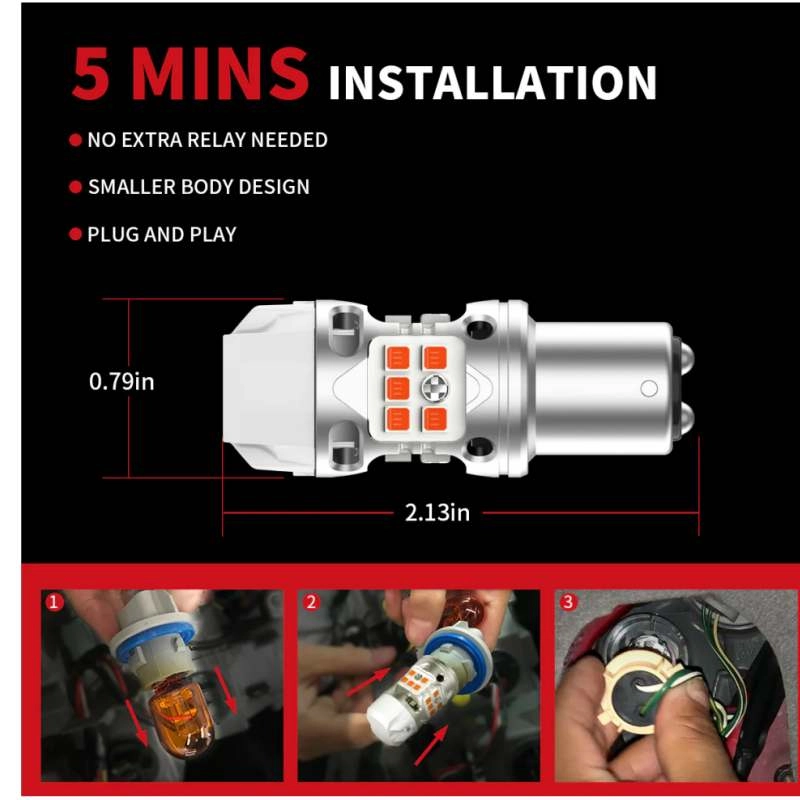
Next, compare the details provided for each option. Pay attention to the fitting, voltage, overall dimensions, wiring arrangement, and any stated installation requirements. LED replacements may have a different body shape from the halogen bulb they replace; a heat-management component or connector can affect whether the bulb fits behind the dust cover or within the lamp assembly. Where the listing does not provide a detail you need, verify it with the seller or manufacturer before ordering.
- Confirm the H3 fitment and the intended lamp position.
- Check vehicle voltage and the product’s stated electrical requirements.
- Compare bulb length, connector layout, and available clearance.
- Review compatibility notes for your vehicle and lamp assembly.
Look beyond brightness when comparing LED options
A useful lighting upgrade is about controlled illumination, not simply a large brightness claim. The reflector or projector in a lamp is designed around a particular light source and position. If a replacement places light differently from the original, the result may be an uneven beam or glare for other road users. Consider product information about beam pattern and optical compatibility, and assess the completed installation according to the lamp manufacturer’s guidance.
Color appearance is another preference to weigh, but it should not distract from practical fit and visibility. A cool-looking light is not automatically better suited to your vehicle or driving conditions. Likewise, advertised output figures are most useful when the measurement method and operating conditions are clear. Compare specifications on a like-for-like basis, and treat unsupported superlatives as a reason to seek more detail rather than as proof of performance.
Rules for replacement lighting differ by location and use. A bulb that fits physically may not be approved for every road application. Before installation, check local requirements and any vehicle or lamp restrictions. If the replacement is intended for public-road use, confirm that the product and its installation are permitted for that specific application.
Plan for installation and dependable everyday use
Before removing a bulb, switch off the vehicle and lights, allow the lamp to cool, and follow the vehicle manual. Avoid touching the lamp’s optical surfaces or forcing a connector into place. Some LED designs require additional room or a particular orientation; follow the product instructions and do not modify vehicle wiring unless the manufacturer’s guidance and your skills support that work. If installation is uncertain, a qualified technician can check fit, electrical operation, and beam alignment.
After installation, verify that the lamp operates consistently and that the beam is correctly aimed. Check that covers and seals are properly refitted, since an incomplete seal can expose the assembly to moisture or dirt. If you notice flickering, a warning message, poor beam shape, or glare, stop and investigate rather than assuming the bulb is functioning correctly. Keep the original bulbs where practical until the new setup has been checked.
Thoughtful selection makes H3 LED bulbs easier to assess: confirm the application, compare measurable specifications, account for physical clearance, and check road-use rules. These steps help narrow the category to options that are appropriate for your vehicle rather than relying on a single headline feature.
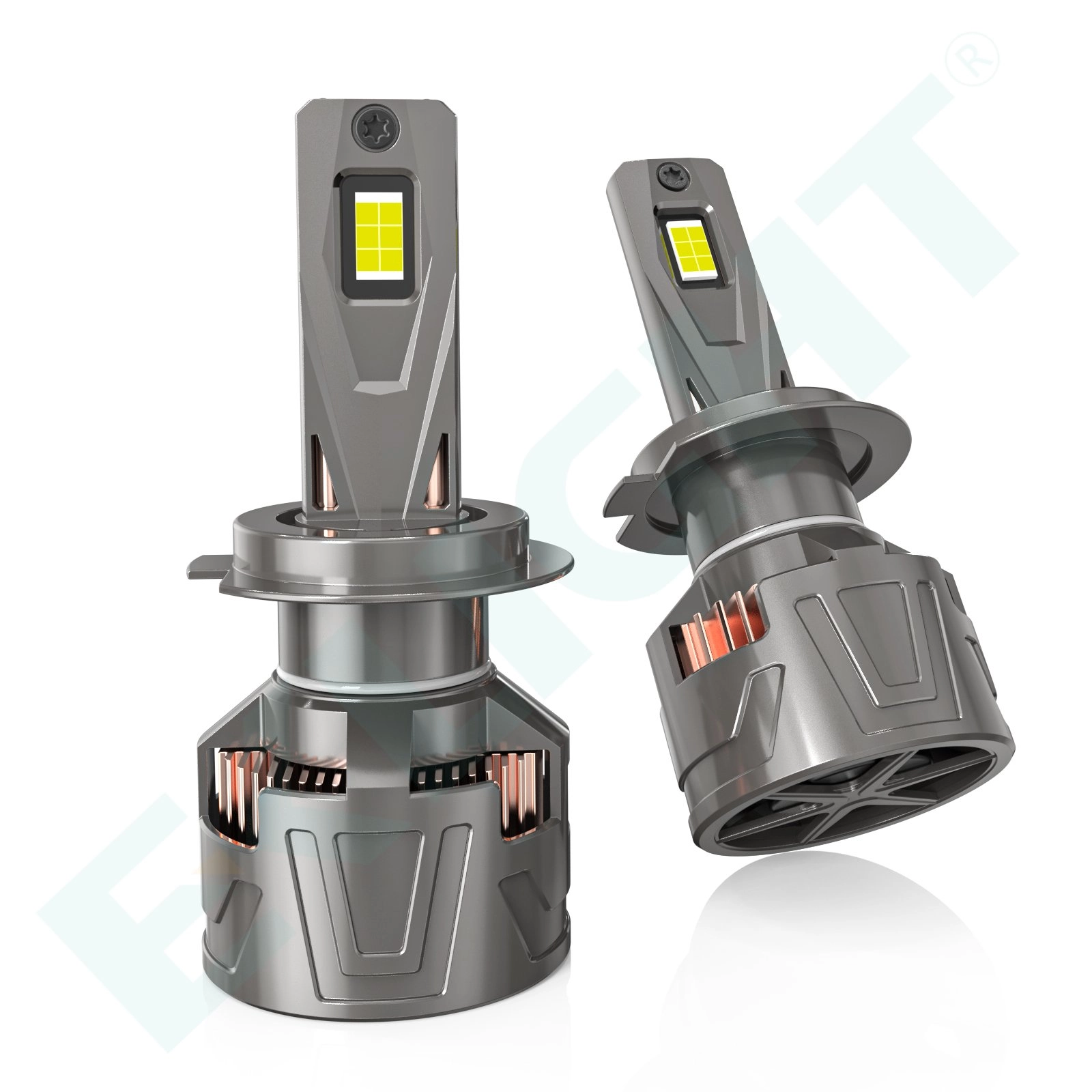
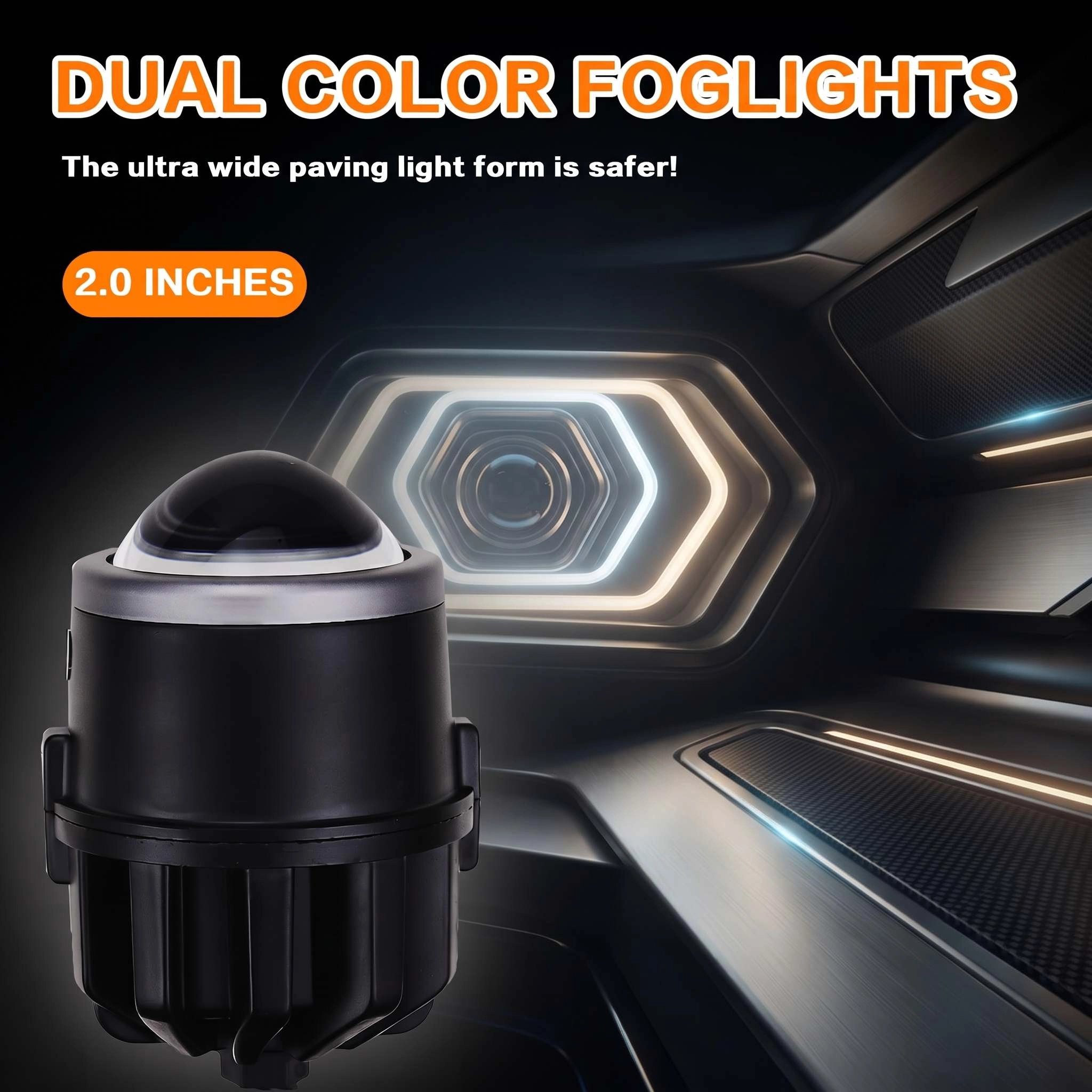
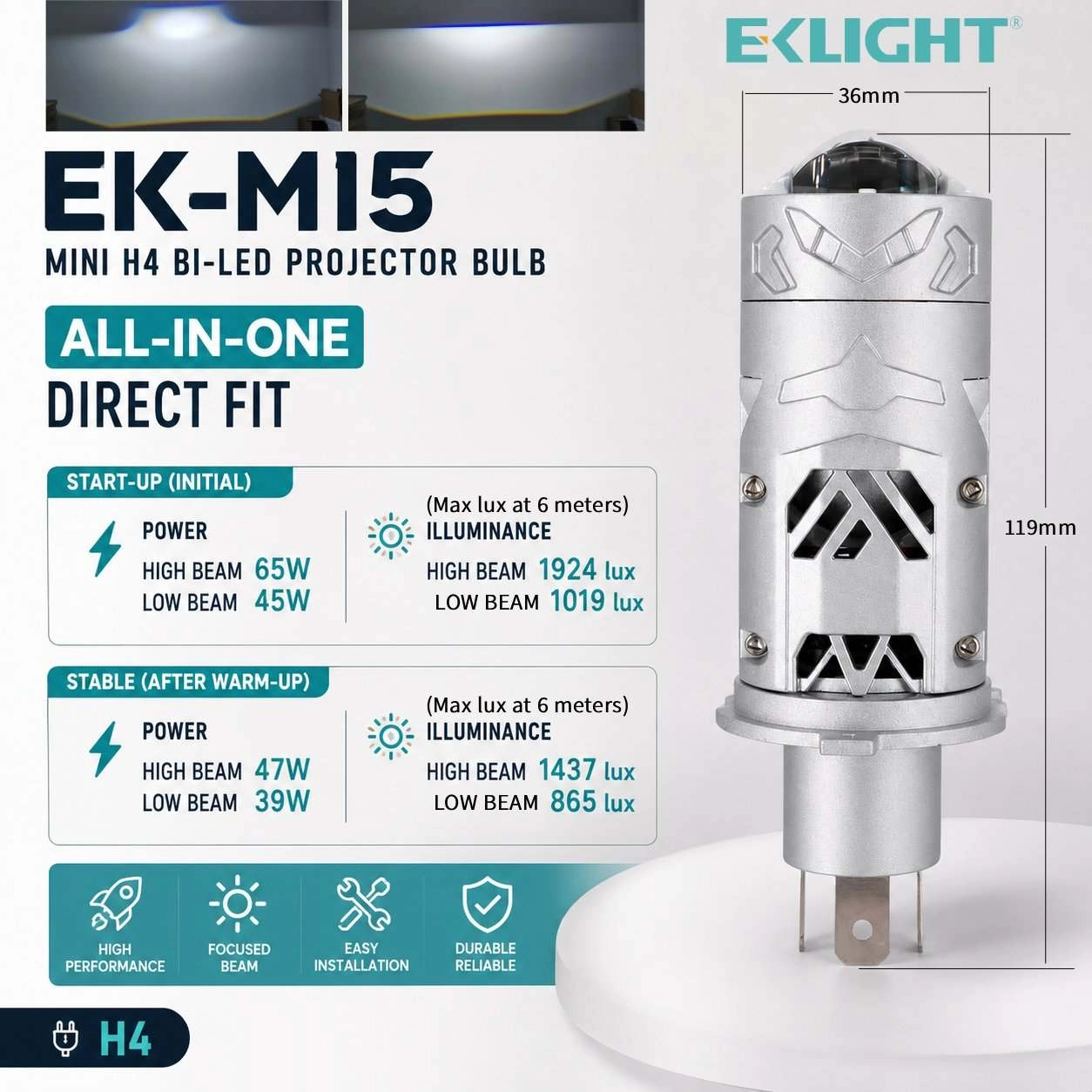
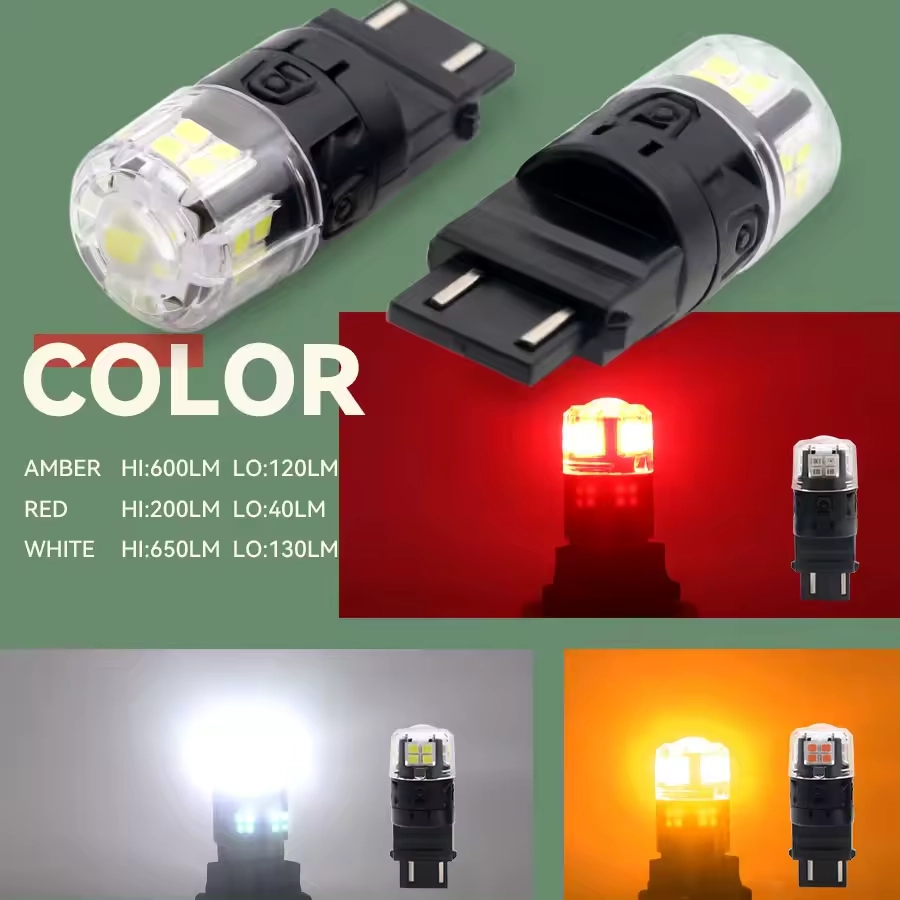
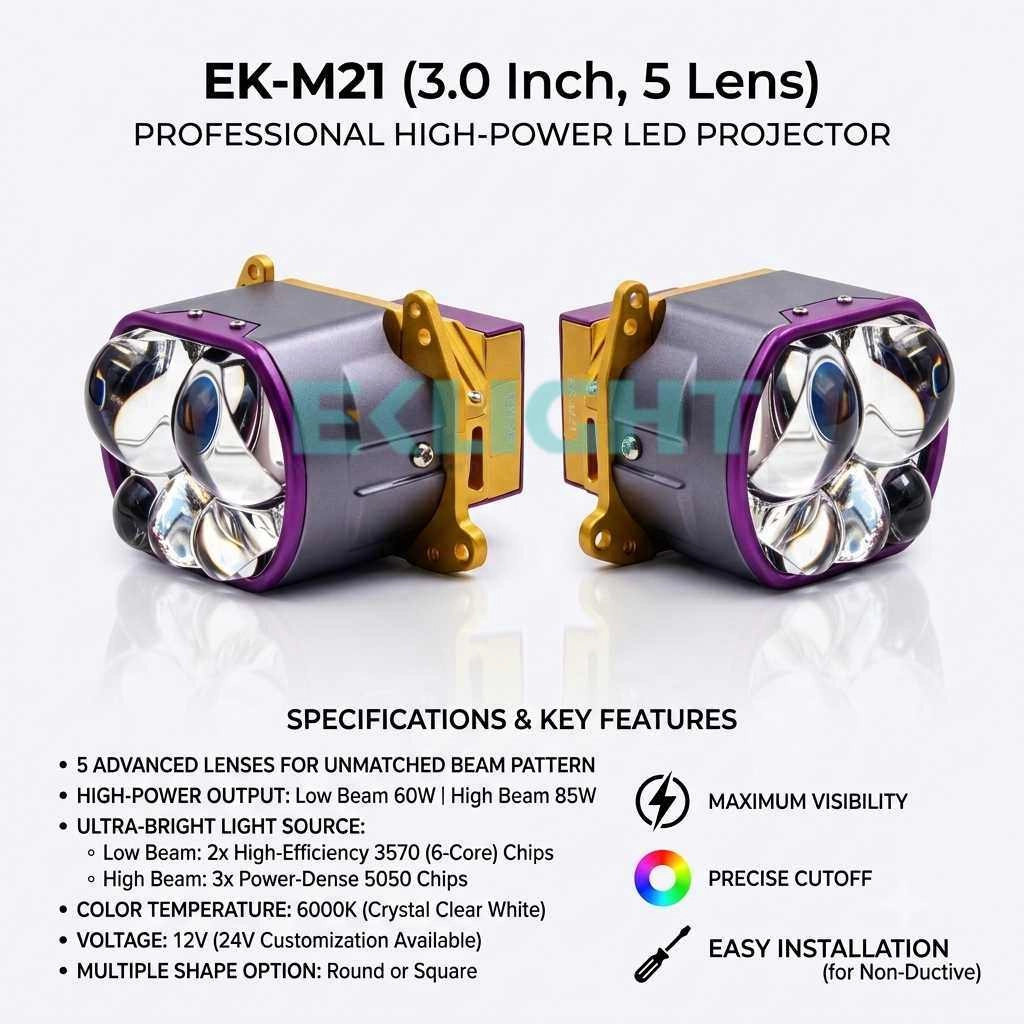
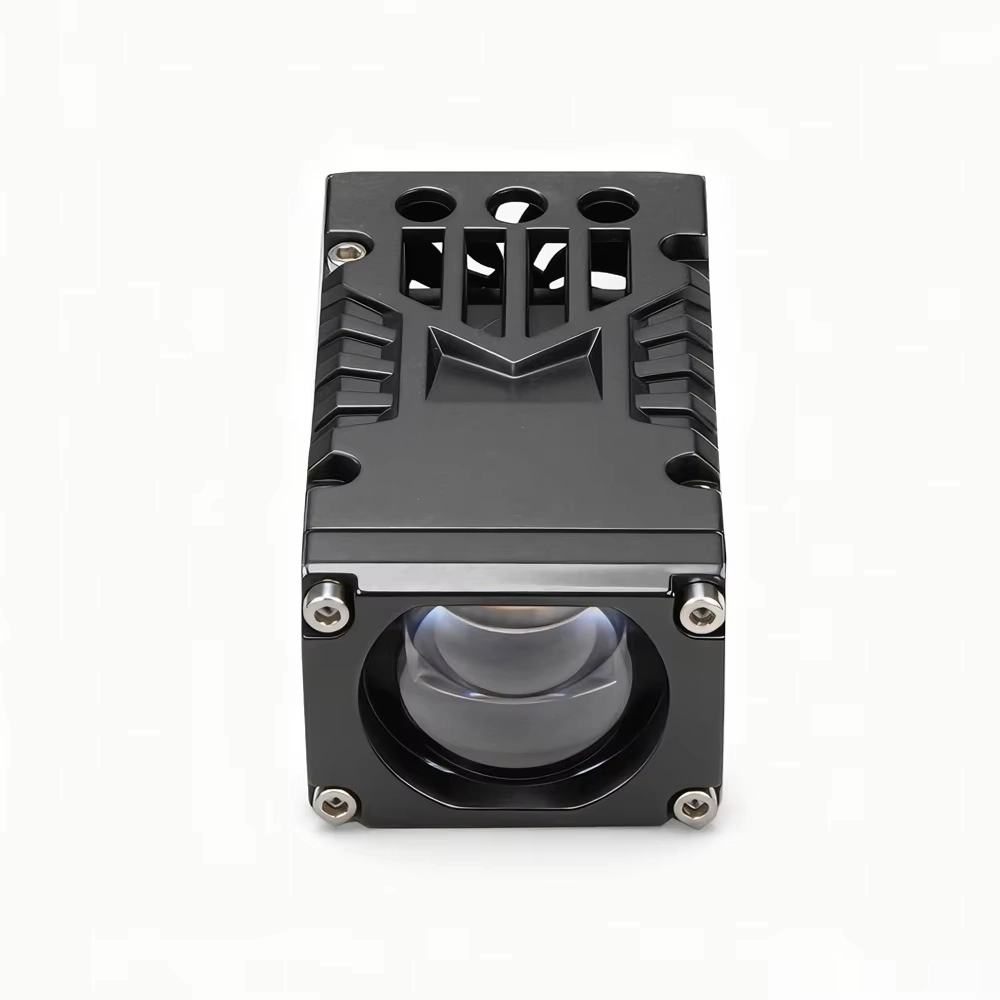
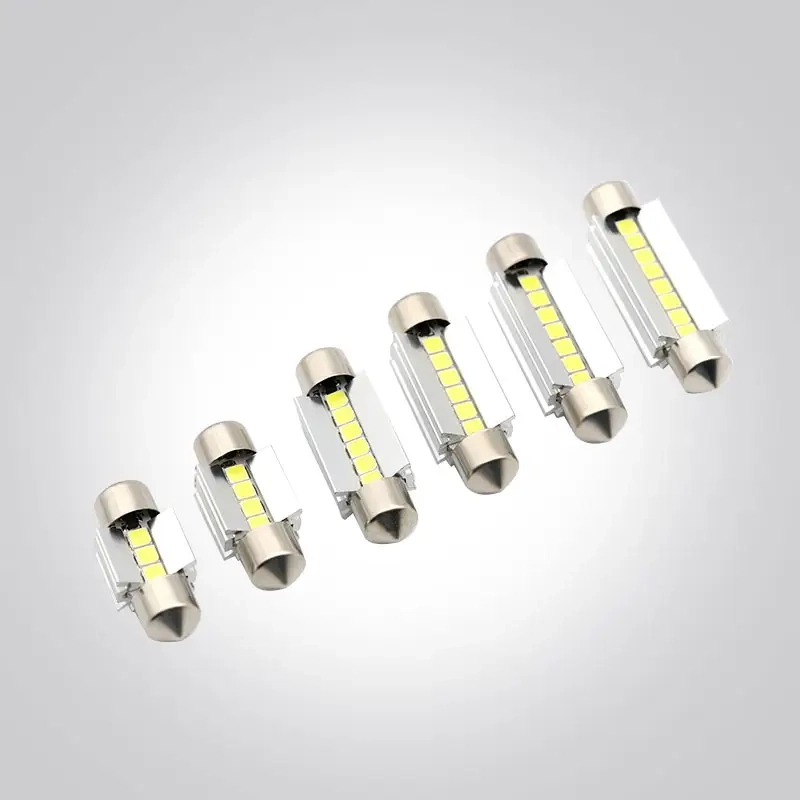
h3 led bulbs Display


FAQ
How do I confirm that my vehicle uses an H3 bulb?
Check the owner’s manual, the marking on the existing bulb, or the vehicle manufacturer’s parts information for the specific lamp position. Do not identify a bulb by appearance alone, since different fittings can look similar. Confirm the replacement’s fitment and specifications before ordering.
Will any H3 LED bulb fit in an H3 lamp?
Not necessarily. The fitting designation is only one part of compatibility. Compare the product’s dimensions, connector or wiring arrangement, electrical requirements, and clearance with the lamp assembly. A design that is too long or has insufficient room for its components may not install correctly.
Are H3 LED bulbs brighter than halogen bulbs?
Performance varies by product and lamp design, so the LED label alone does not establish how much useful light reaches the road. Beam shape, optical compatibility, and reliable product specifications matter alongside claimed output. Poor light placement can create glare even when a bulb is marketed as bright.
Can I use H3 LED bulbs for road driving?
That depends on the product, vehicle, lamp assembly, and rules where you drive. Physical fit does not automatically mean a replacement is approved for public-road use. Check local regulations and any vehicle or lamp restrictions before installation.
What should I check after installing an H3 LED replacement?
Confirm that the bulb is seated and connected as instructed, that covers and seals are refitted, and that the lamp operates consistently. Check beam shape and aim, and investigate flickering, warning messages, or glare. Consult a qualified technician if the installation or alignment is uncertain.
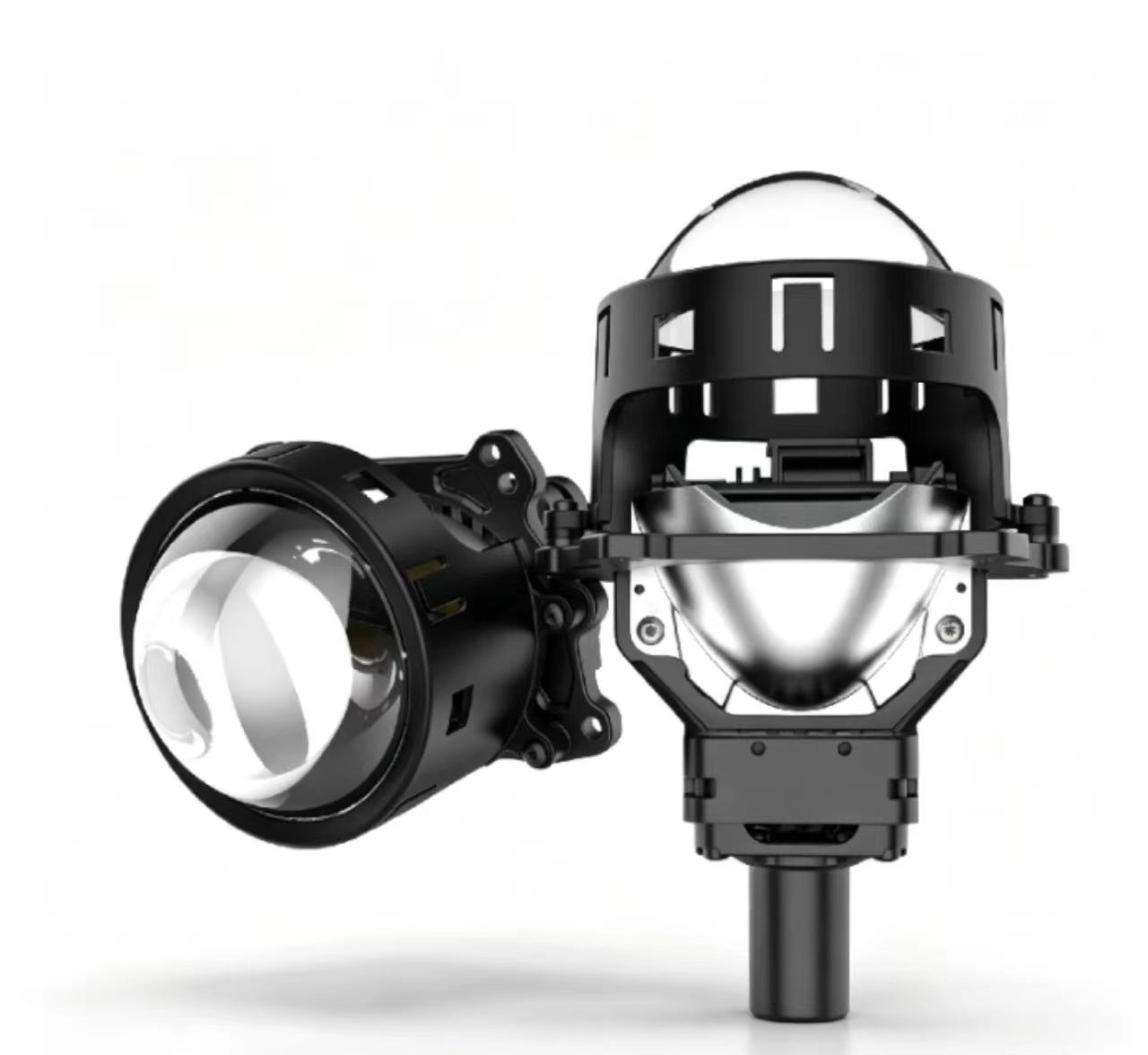
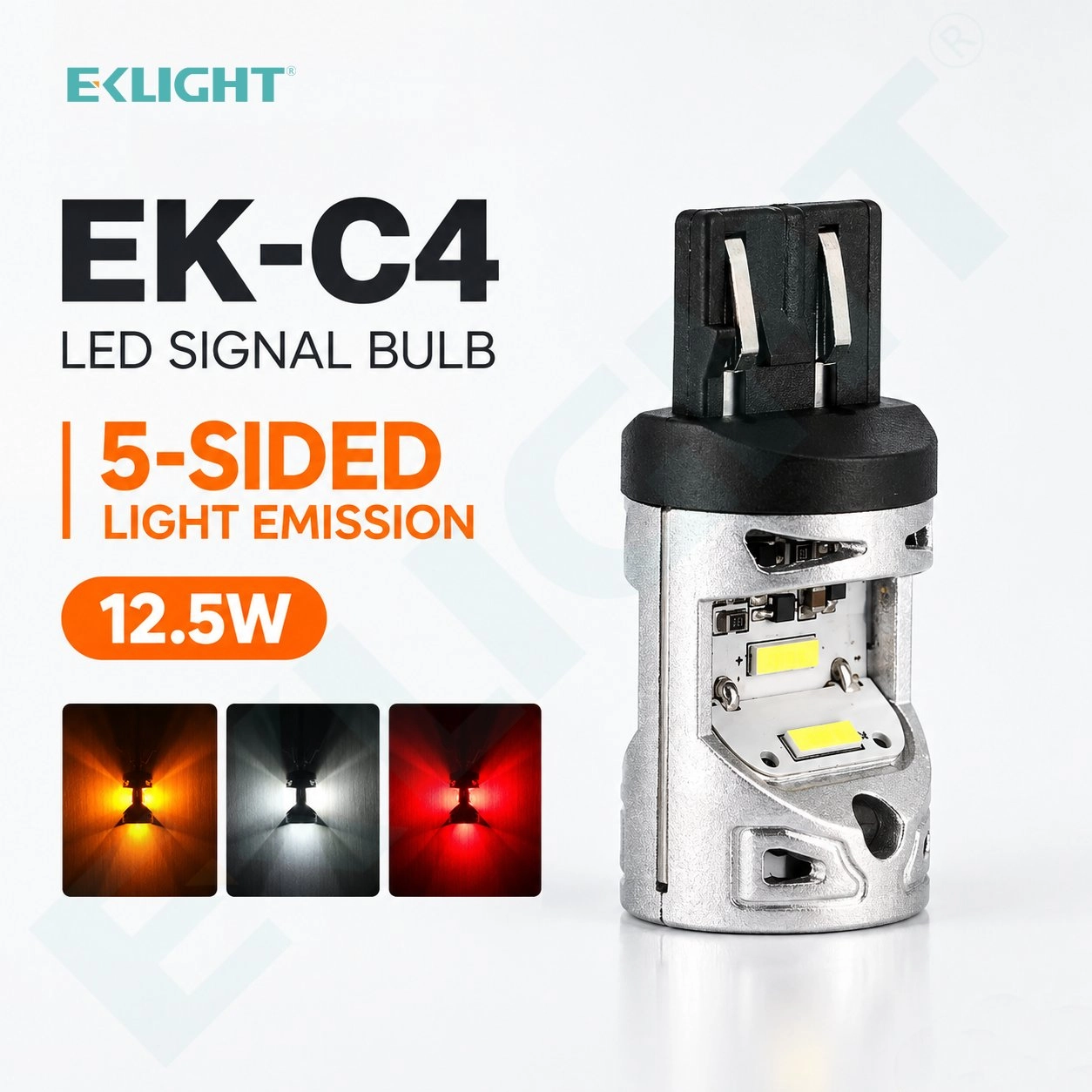
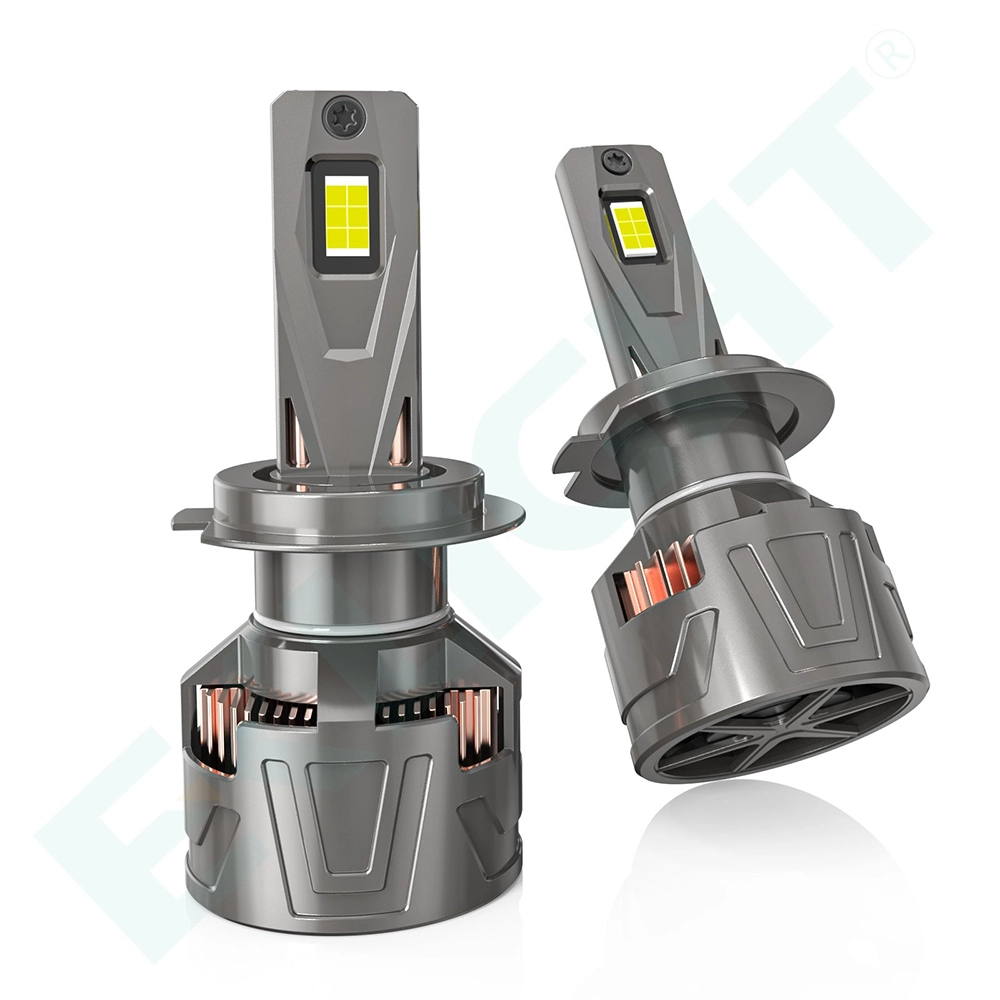
EKLIGHT delivers innovative, high-quality LED lighting solutions trusted by global partners.
We empower businesses with reliable products that enhance performance and drive success.
Contact EKLIGHT
Address : Building C, Dehuiwanggang Industrial Zone, No. 38 Wanggang Industrial three road, Baiyun district, Guanghzou, Guangdong province, China.
© 2026 EKLIGHT. All Rights Reserved.
EKLIGHT
EK
EK
EK
EK