


EKLIGHT LED Bulbs for Everyday Lighting
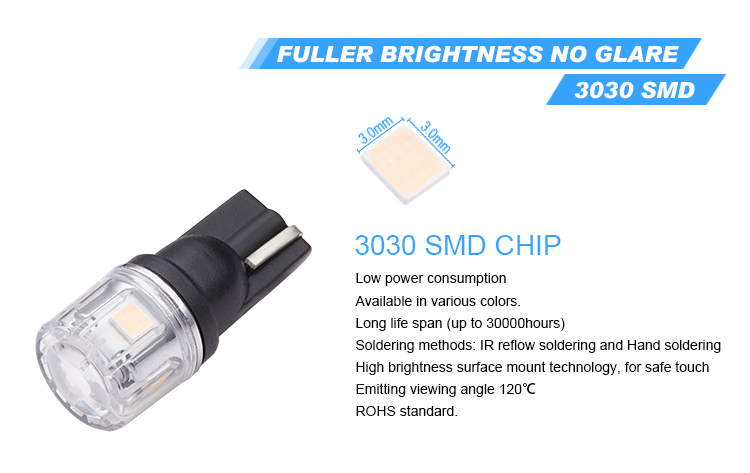
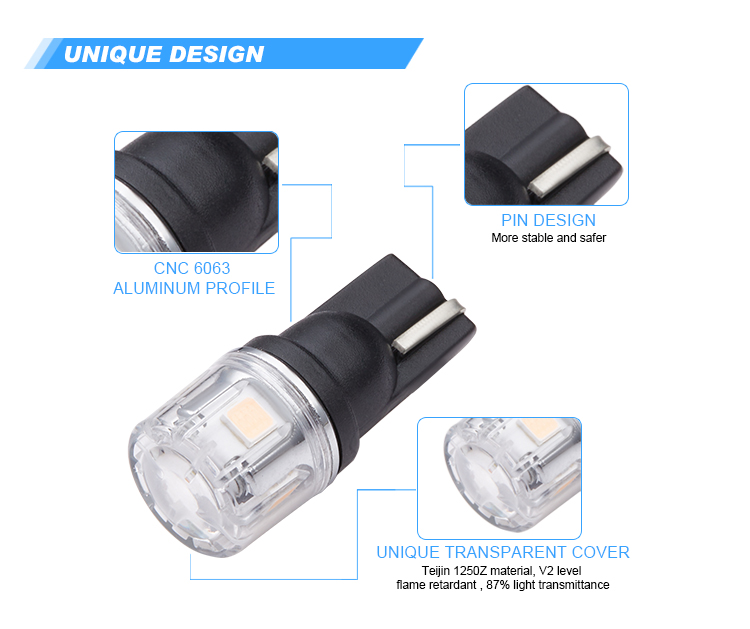
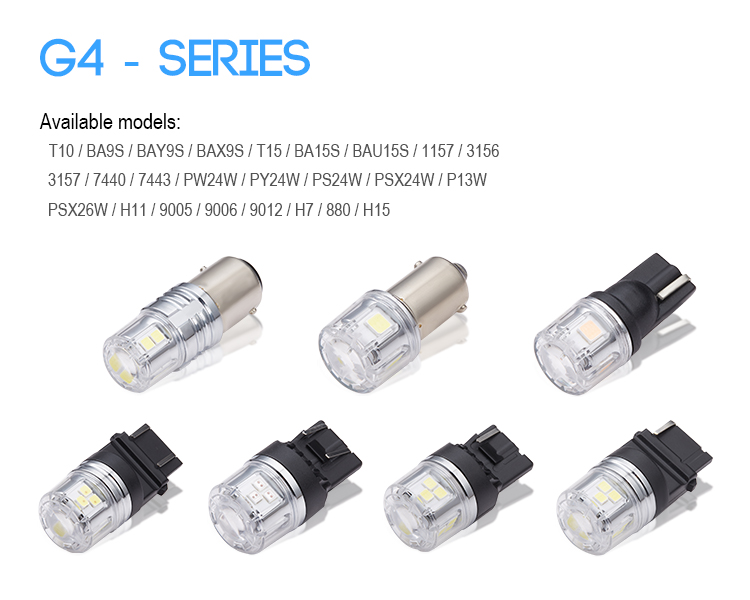
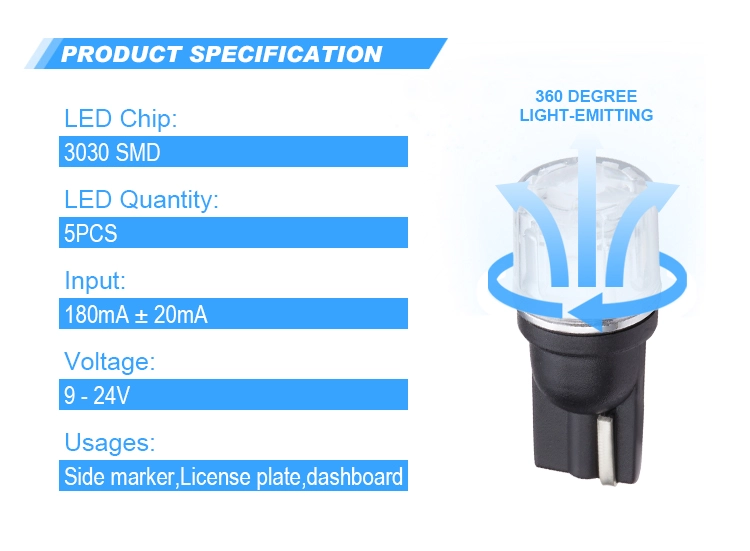
Explore the EKLIGHT LED BULB category to compare lighting options for everyday spaces, from rooms at home to work areas and other settings that use compatible bulbs. The right choice depends on more than brightness: bulb shape, base type, colour appearance, dimming support, voltage and fixture conditions can all affect fit and performance. Review each product’s specifications to select a bulb that matches your fixture and the way you use the space.
Choose a Bulb That Fits Your Fixture and Routine
A replacement bulb should be compatible with the fitting before it is chosen for its appearance or light output. Check the existing bulb or fixture for its base type and size, then compare those details with the product listing. Also confirm the voltage and any stated restrictions for enclosed fixtures or particular applications. A bulb that physically fits may still be unsuitable if its electrical or fixture requirements do not match.
Brightness is commonly expressed in lumens, while watts describe electrical power consumption. When replacing an older bulb, compare lumen output rather than relying on wattage alone. If a product listing provides an incandescent-equivalent reference, use it as a guide alongside the actual lumen figure. This makes it easier to choose a light level for a task, a reading area or general room lighting without assuming that bulbs with similar wattage will look equally bright.
Colour temperature, usually stated in kelvins, describes whether light appears warmer or cooler. A warmer appearance may suit relaxed living spaces, while a cooler appearance can be useful where a more neutral look is preferred. The best choice is personal and depends on the room, existing lighting and intended use. Where consistency matters, check that bulbs used together have matching colour-temperature specifications.
- Confirm the base type and bulb dimensions against the fixture.
- Compare lumen output to choose an appropriate brightness.
- Use the stated colour temperature to judge the light’s appearance.
- Check dimmer, voltage and fixture compatibility in the product details.
Compare Practical Features Before You Buy
LED lighting can be a practical option for regular use, but product specifications determine whether an individual bulb suits a particular job. If you want to use a bulb with a dimmer, verify that the product is explicitly marked as dimmable and that the dimmer is compatible. If the light will be installed in an enclosed fitting, check for an explicit approval or restriction. Do not infer either feature from the LED designation alone.
Consider where the light will be seen and how often it will be used. A bulb for a frequently used room may be judged by comfort, consistent colour and convenient brightness; a bulb for a utility area may be selected primarily for suitable output and fit. For multiple fixtures, checking specifications before ordering can help avoid mismatched light colour or incompatible bases. Save the packaging or product details so replacement choices can be compared later.
For reliable product selection, treat the listing as the source for model-specific information. Check the stated dimensions, base, lumen output, colour temperature, wattage, voltage, dimming status and any usage notes. Where a detail is not provided, seek clarification rather than assuming the bulb will work in a special fixture or with a particular control. This straightforward approach helps set realistic expectations and supports a better match between the product and your lighting needs.
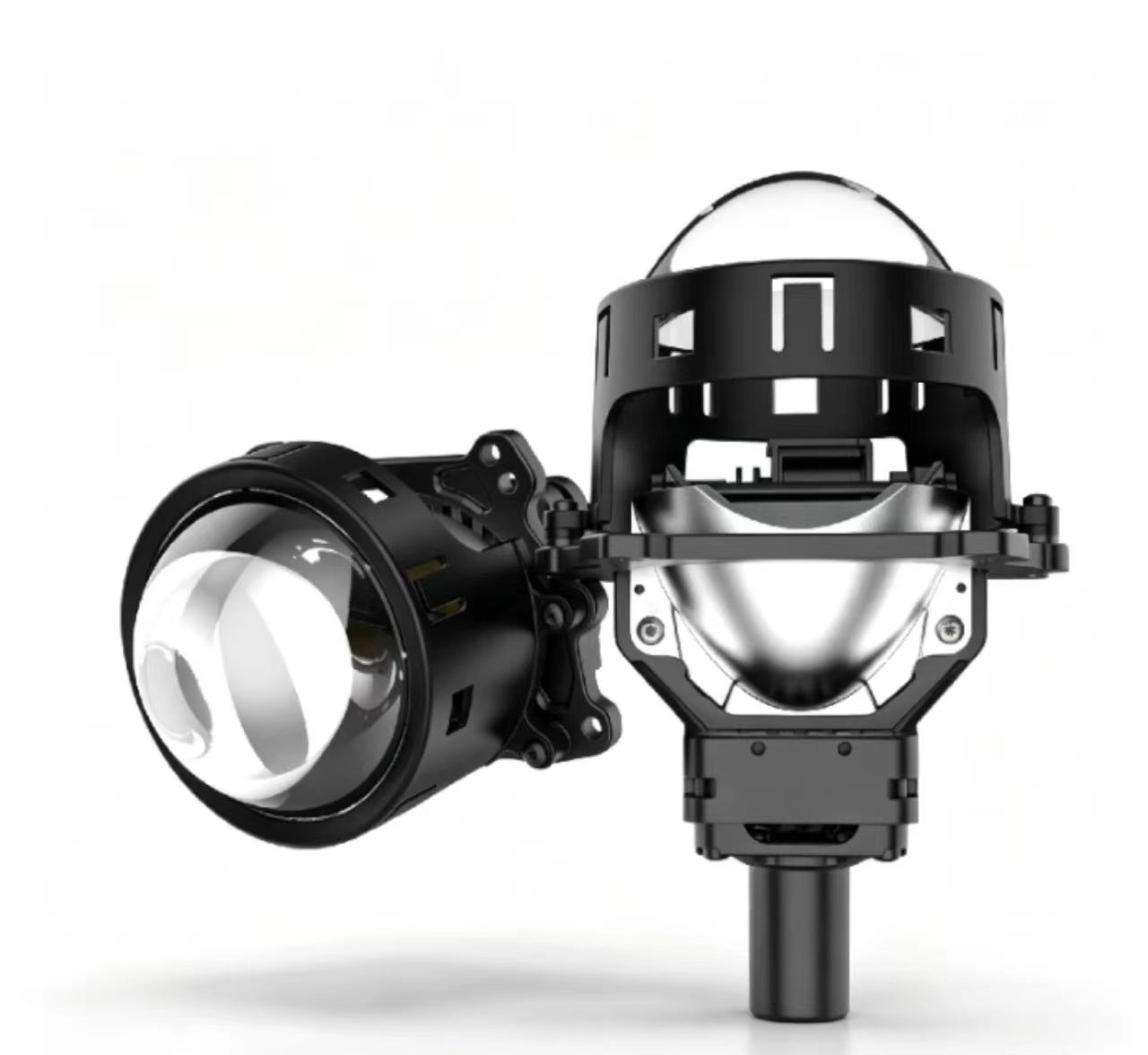
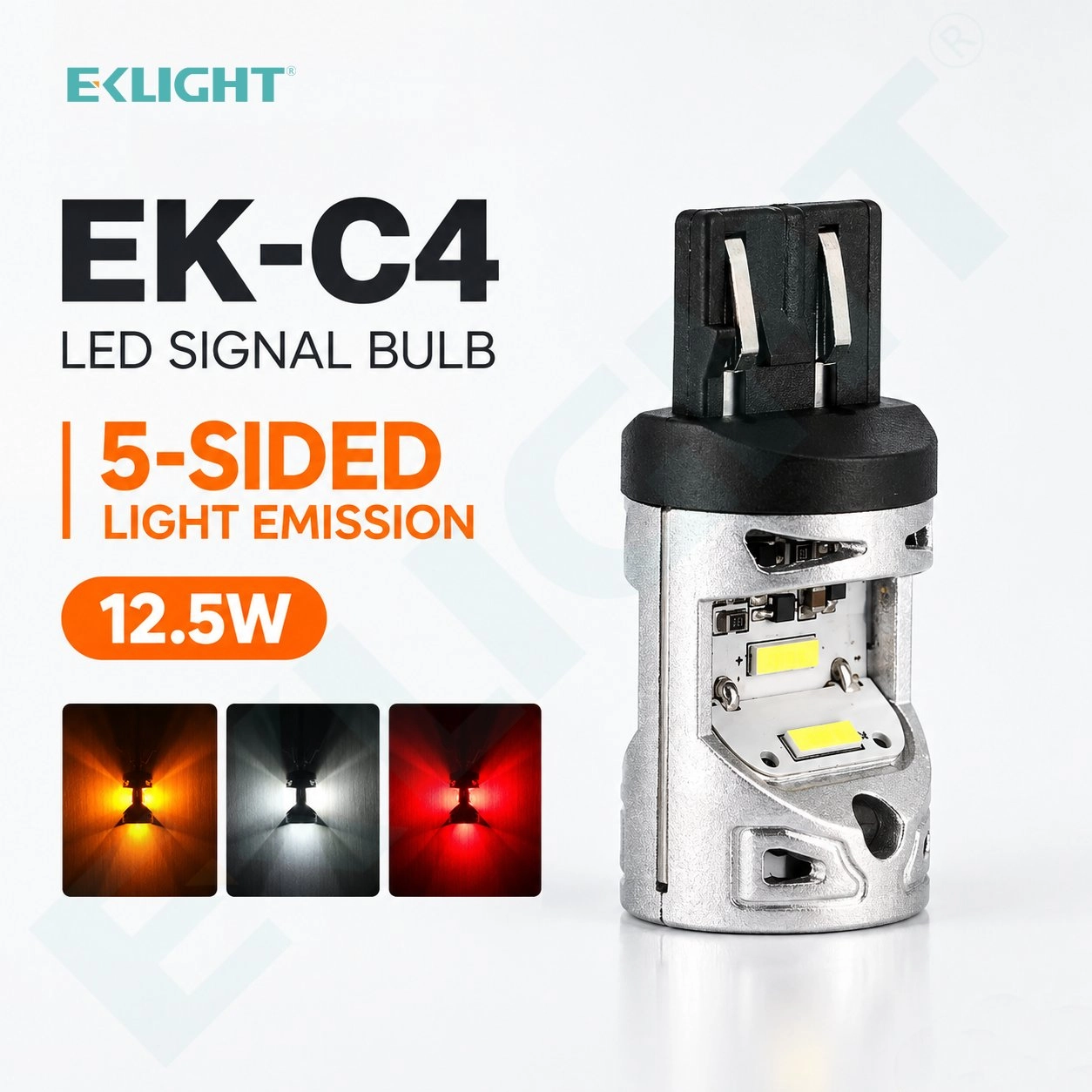
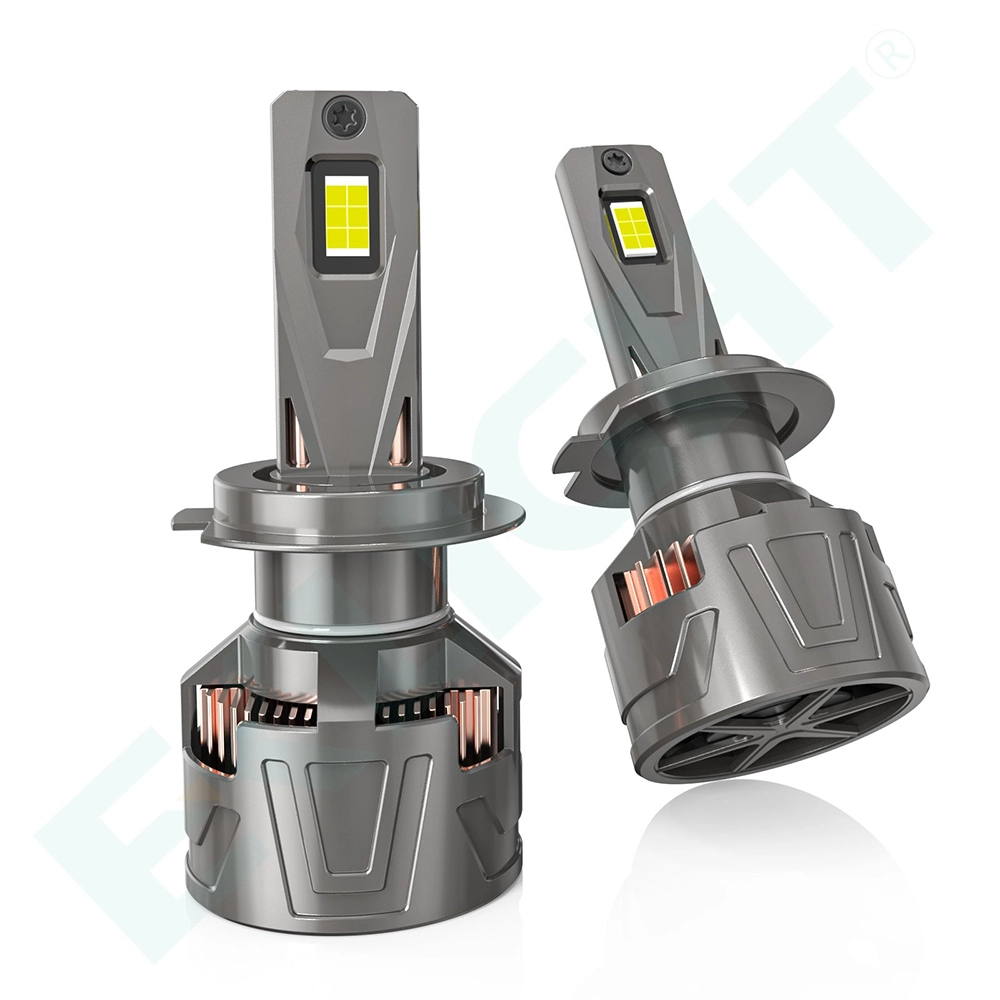
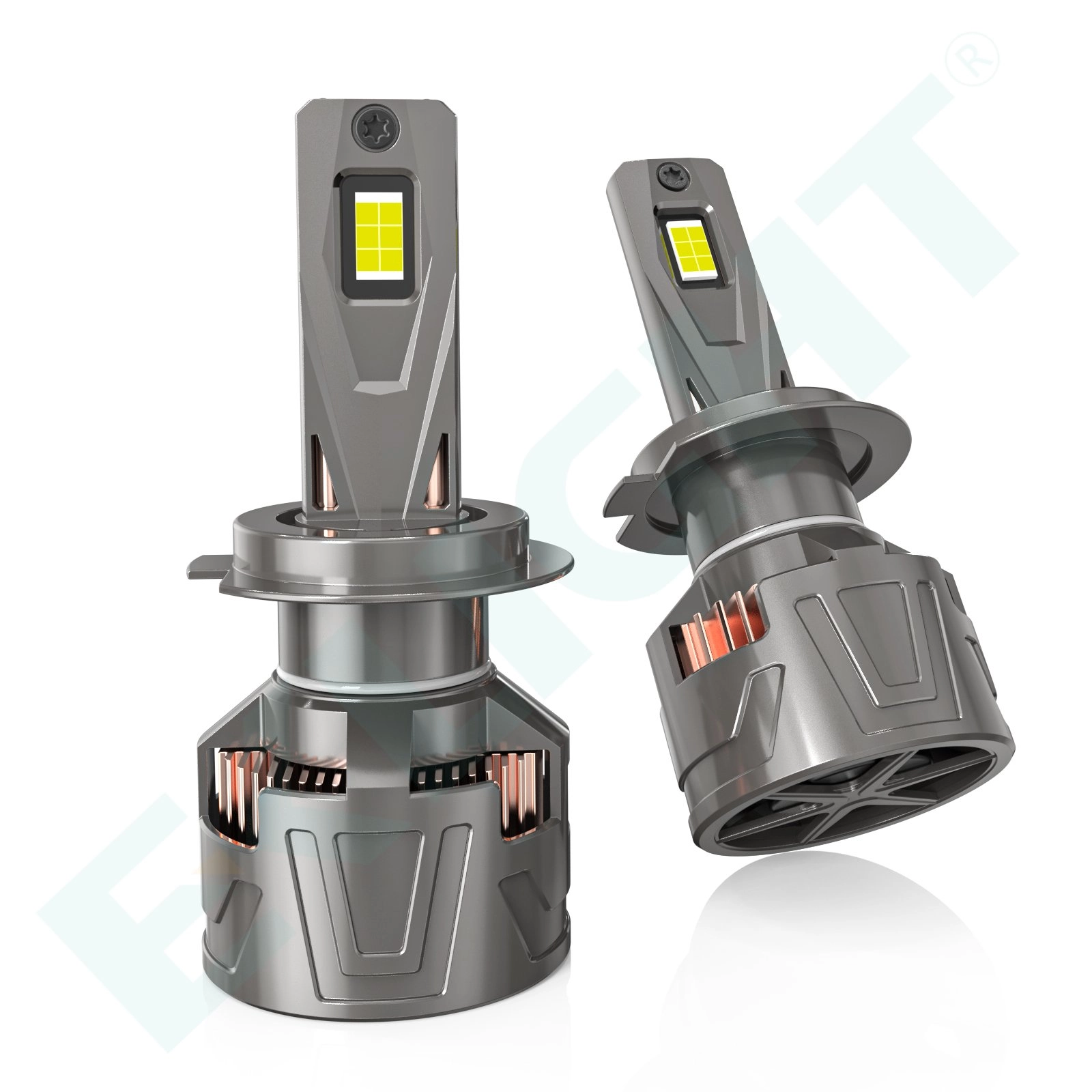
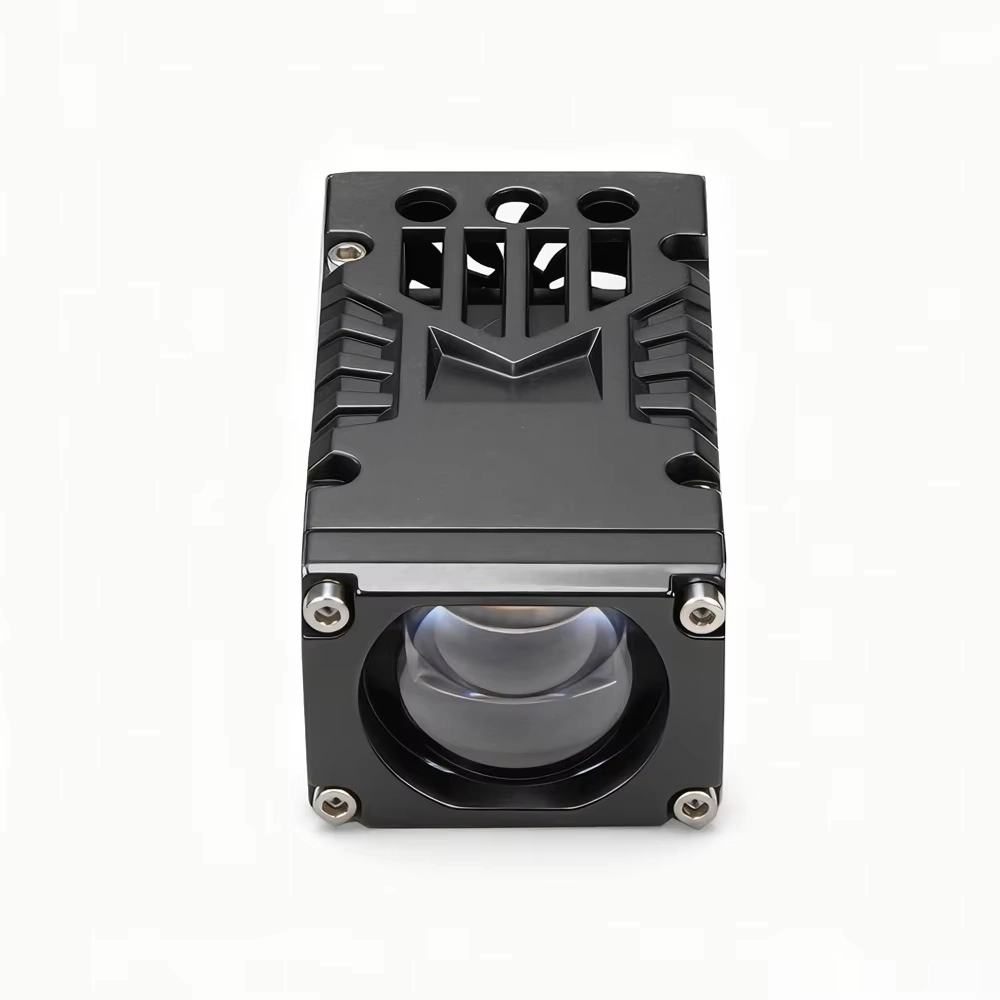
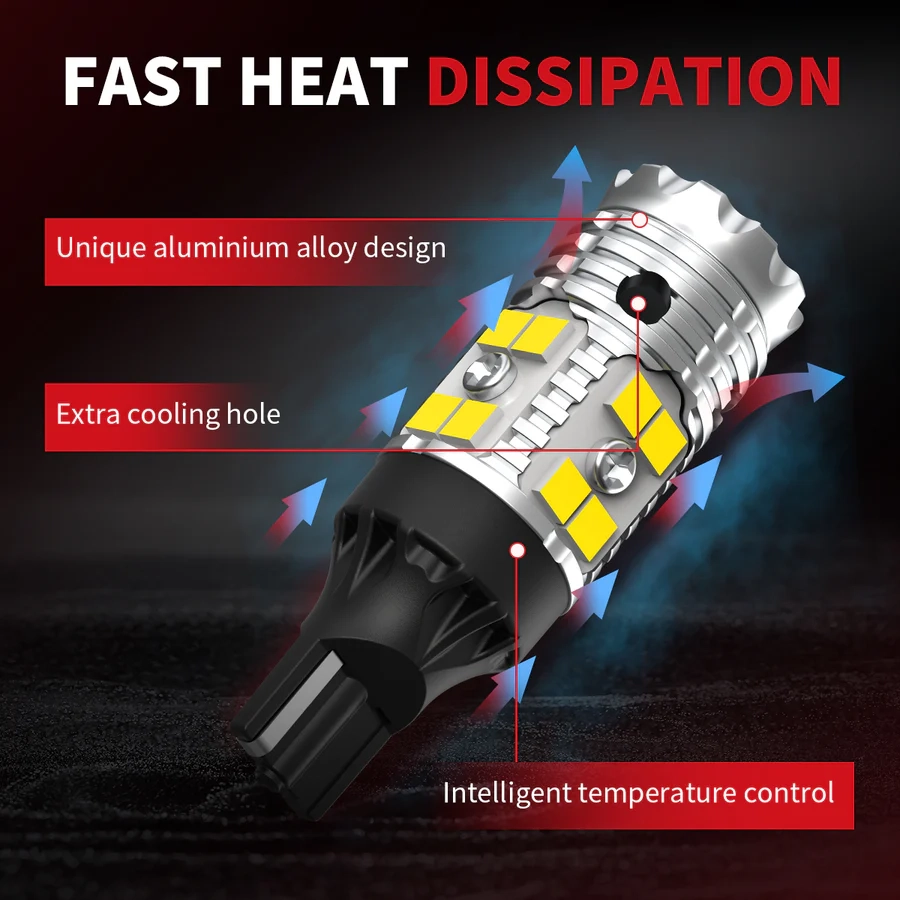
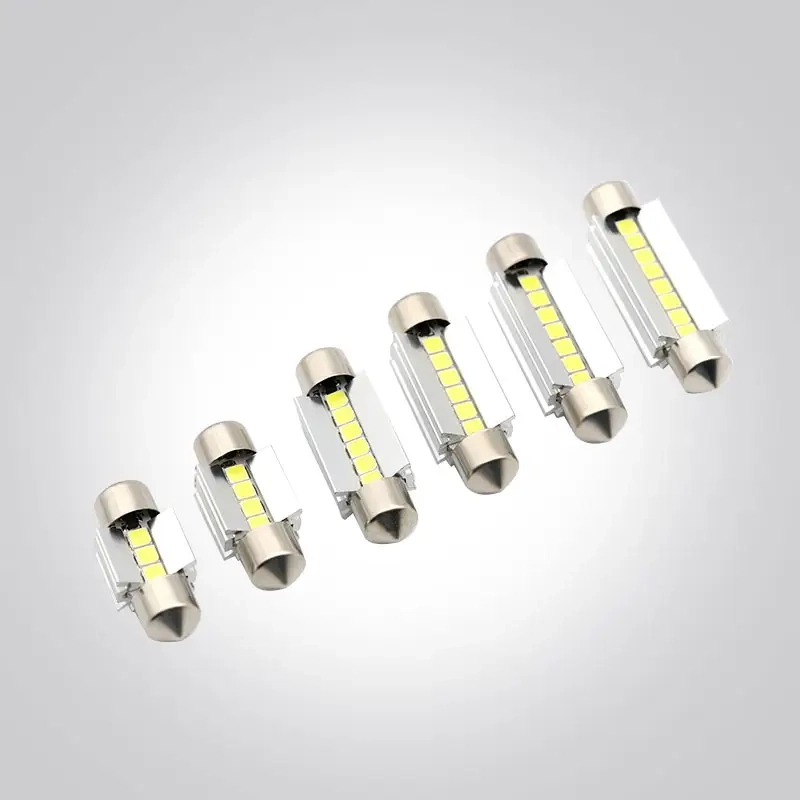
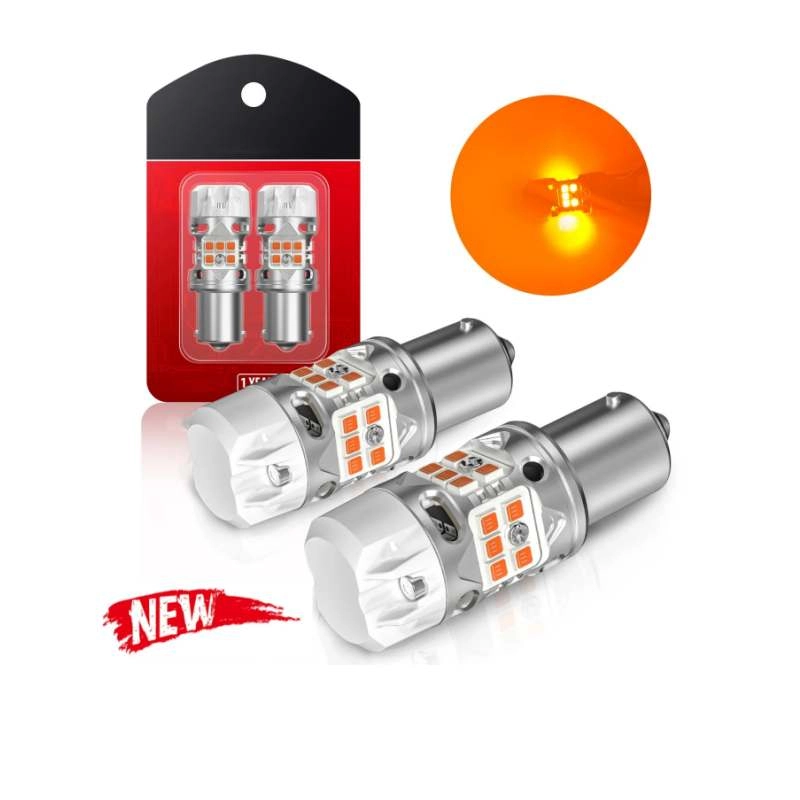
EKLIGHT LED BULB Display

FAQ
How do I check whether an LED bulb will fit my fixture?
Compare the bulb’s base type and dimensions with the information on your existing bulb or fixture. Also check the product listing for voltage and any fixture-use restrictions. Physical fit alone does not confirm electrical or application compatibility.
How should I choose the right brightness?
Compare bulbs by lumen output, which indicates the amount of light produced. Wattage describes electrical power, so it is not a direct measure of brightness. If an incandescent-equivalent figure is listed, use it as a secondary guide and check the stated lumens.
What does colour temperature tell me?
Colour temperature, generally shown in kelvins, describes the visual character of the light, from warmer to cooler in appearance. Choose according to the room and your preference; for bulbs used together, matching their stated colour temperatures can help maintain a consistent look.
Can I use an LED bulb with a dimmer?
Only use a bulb with a dimmer when the product is specifically identified as dimmable, and verify that the dimmer is compatible. The LED label by itself does not indicate dimmer support.
Can I install an LED bulb in an enclosed fixture?
Check the product specifications for approval or restrictions relating to enclosed fixtures. Do not assume that a bulb is suitable for an enclosed fitting unless the manufacturer’s product information confirms it.

EKLIGHT delivers innovative, high-quality LED lighting solutions trusted by global partners.
We empower businesses with reliable products that enhance performance and drive success.
Contact EKLIGHT
Address : Building C, Dehuiwanggang Industrial Zone, No. 38 Wanggang Industrial three road, Baiyun district, Guanghzou, Guangdong province, China.
© 2026 EKLIGHT. All Rights Reserved.
EKLIGHT
EK
EK
EK
EK