


Fog Light Lens Beam Pattern: How Wide Coverage and Low-Mounted Lighting Affect Visibility
Follow us now:
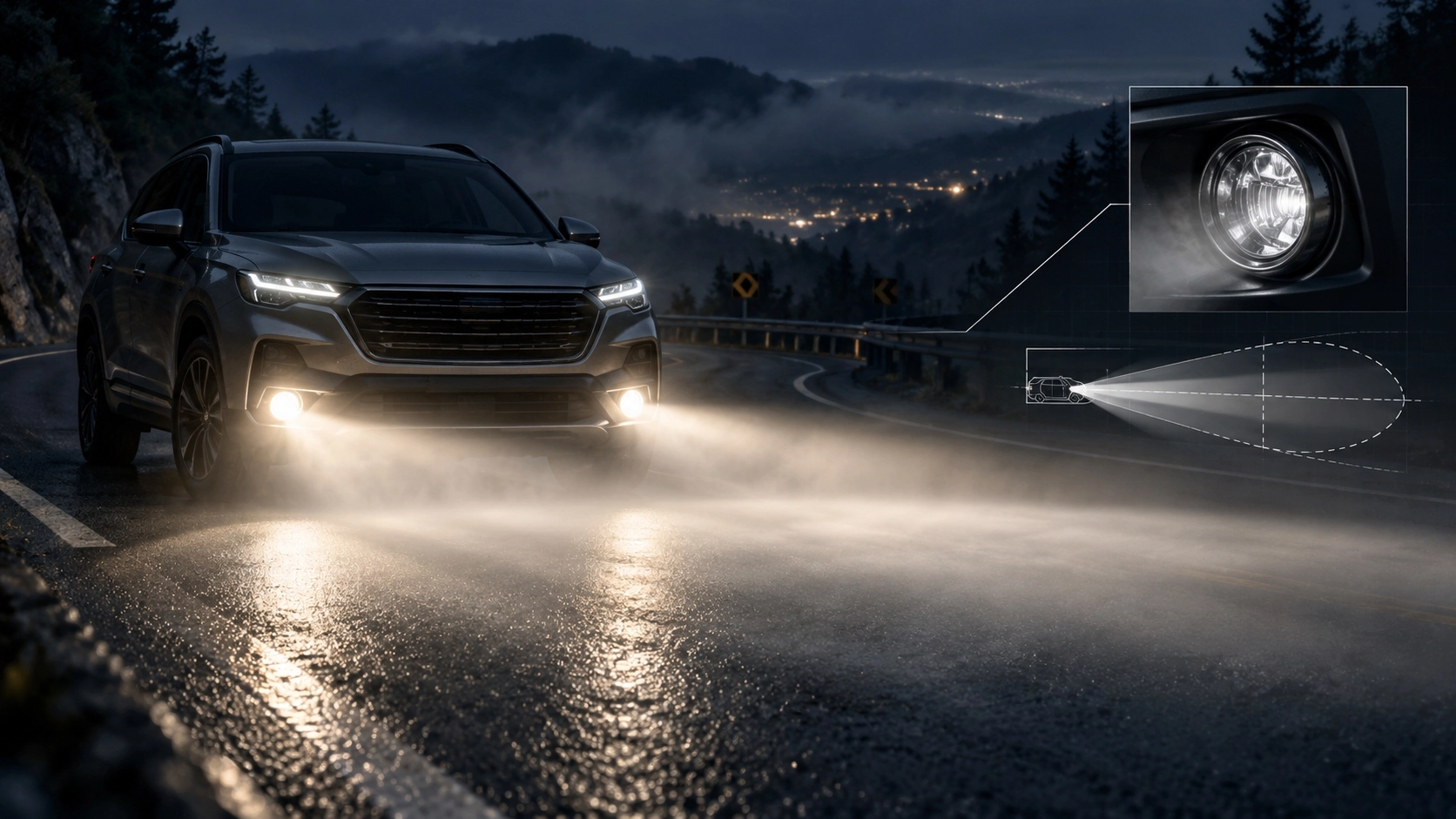
Fog light lenses are designed around a different optical task from primary headlight projectors. Instead of concentrating most of the useful light far down the road, a fog-oriented optical system generally works from a lower mounting position and places more emphasis on broad, controlled illumination closer to the vehicle.
For distributors, wholesalers, retrofit brands, and OEM/ODM buyers, this means a fog light lens should not be judged only by peak brightness or by how dramatic the beam looks on a test wall.
A more useful evaluation asks whether the beam places enough controlled light across the near-field area while maintaining useful center intensity, low vertical spread, and stable edge transition.
Wide Coverage Is About Usable Light, Not Maximum Width
One of the most recognizable characteristics of a fog-oriented beam is broader lateral coverage. That does not mean the best fog light lens is simply the one with the widest visible pattern. What matters is how much of that width remains useful after the light leaves the optical module and reaches the road.
A beam can look very wide on a wall while still concentrating most of its usable intensity in the center. The opposite problem is also possible: strong lateral spread can reduce the center too much and leave the main illuminated field poorly balanced.
Low Mounting Changes the Way the Beam Reaches the Road
Fog lights are generally positioned lower on the vehicle than the primary headlamp system. That lower mounting position changes the geometry between the optical module, the road surface, and the illuminated field.
A small vertical aiming change can move the beam noticeably closer to or farther away from the vehicle. If the lamp is aimed too low, too much light may remain concentrated immediately in front of the vehicle. If it is aimed too high, the beam may no longer behave like a controlled low-mounted lighting pattern.
This mounting geometry is also one of the reasons a fog light lens and a headlight projector lens should not be evaluated as interchangeable optical systems.
Vertical Control Is as Important as Horizontal Spread
A fog-oriented beam is often described as wide, but width alone does not define a controlled beam. The optical system also needs to manage vertical distribution.
If too much light spreads upward or outside the intended low field, the beam may appear bright without being well organized. If vertical control is too aggressive, the illuminated field may become too shallow for the target application.
Center Balance and Edge Transition Define Beam Quality
A useful fog light beam should not have to choose between a strong center and wide side coverage. The better optical result is usually a controlled balance between the two.
Wider Does Not Automatically Mean Better After Installation
A product may produce an impressive wide beam in an open test environment and still behave differently once installed inside a real bumper or lower grille opening.
Trim, bumper edges, grille structures, or a deeply recessed mounting position can block part of the lateral beam before it reaches the road. The effect is especially important for wide-beam products because more of the useful output depends on unobstructed side clearance.
Free-Space vs Installed Beam: What Changes?
Compare the same approved module with identical electrical input and optical aim. The installed beam can differ even when the lens is unchanged, because the vehicle opening may block outer rays or restrict aiming adjustment.
| Condition | What to evaluate |
|---|---|
| Unobstructed module | Nominal lateral spread, center balance, vertical distribution, edge transition |
| Low vehicle mounting | Effective road coverage at the intended mounting height and reference aim |
| Bumper recess or trim | Left/right side clipping, shadows and usable coverage through the opening |
| Aim variation | How small vertical or rotational changes shift near-field illumination |
| Installed reference | Approved photo or photometric record, mounting geometry and production configuration |
A wall pattern is useful for comparative screening, but it is not the same as validated on-road performance. Applicable beam and installation requirements must be checked for the actual target market and lamp function.
How Installed Fog Light Beams Should Be Validated
A reliable fog light lens evaluation should combine controlled optical testing with realistic installation testing.
A wall or fixed test surface can help compare beam width, center balance, vertical spread, edge transition, and symmetry. The same sample should then be checked at the intended mounting height and inside a representative vehicle opening so buyers can see whether installation changes the effective beam.
For private-label projects, optical requirements may also influence bracket design, housing layout, accessories, packaging, and target application positioning through OEM/ODM automotive lighting services.
Final Selection
A good fog light lens beam pattern is not defined by one feature. It is the result of several optical and installation factors working together.
The beam needs enough usable lateral coverage without sacrificing too much center intensity. It needs vertical control so the pattern remains organized from a low mounting position. Its outer transition should remain stable, and the installed vehicle structure should not block the beam that the optical system is trying to create.
The practical fog light beam inspection procedure can be used to document measurement setup and sample repeatability separately from this installed-visibility assessment. For buyers who need to distinguish lower-mounted fog-style optics from primary headlamp systems, the article Fog Light Lens vs Headlight Projector Lens explains the broader optical difference.
For primary headlamp retrofit projects, the confirmed Bi-LED Projector Lens range remains the relevant commercial direction.
Installed-Beam Acceptance: A B2B Decision Matrix
Compare the same model in an unobstructed test fixture and in the intended mounting location. Record optical changes caused by mounting height, bracket alignment, bumper opening and recess depth; do not infer road visibility from a wall pattern alone.
| Decision factor | Evidence to compare |
|---|---|
| Usable lateral coverage | Outer illuminated field versus center balance, at a fixed reference aim |
| Vertical control | Near-field reach and unwanted elevated light in the installed position |
| Bumper shadowing | Left/right clipping, trim obstruction and effective clear aperture |
| Fitment and repeatability | Bracket tolerance, aiming adjustment, module revision and matched installation samples |
For compact fog-light sourcing, confirm actual housing measurements against the 2.0-inch dual-color Bi-LED fog-light projector configuration and request dimensional drawings before assuming fitment. The separate beam pattern and cutoff inspection procedure covers controlled test setup; the installed-beam decision should focus on which usable illumination remains after mounting.
Evaluate the Beam in the Real Mounting Environment
Compare the intended mounting position, installation space, beam width, vertical control, and sample consistency before selecting an optical solution. Define buying criteria using the fog light lens sourcing specification.
FAQ About Fog Light Lens Beam Patterns
What makes a good fog light lens beam pattern?
A good fog light lens beam pattern balances usable lateral coverage, center intensity, vertical control, and smooth edge transition. The goal is not maximum visible width, but controlled illumination that remains useful from the intended low mounting position.
Why is wide coverage important for fog light lenses?
Fog-oriented optics generally place more emphasis on broader near-field illumination than primary headlight projectors. Buyers should evaluate how much of the visible width remains useful, rather than judging the beam only by how far it spreads on a wall.
How does low mounting affect a fog light beam pattern?
Low mounting changes the geometry between the optical module and the road surface. Small aiming changes can noticeably move the beam closer to or farther from the vehicle, so realistic mounting height and aiming should be included in sample testing.
Does a wider fog light beam always perform better?
No. Excessive width can reduce center intensity or become partially blocked by bumper trim, grille structures, or a recessed installation. A better beam maintains useful width, vertical control, and center balance after installation.
How should B2B buyers compare fog light lens samples?
Use consistent test conditions, then compare usable beam width, center balance, vertical control, edge transition, symmetry, and installed behavior. Multiple units should also be checked for optical alignment, beam repeatability, housing dimensions, and mounting consistency before bulk sourcing.
- Wide Coverage Is About Usable Light, Not Maximum Width
- Low Mounting Changes the Way the Beam Reaches the Road
- Vertical Control Is as Important as Horizontal Spread
- Center Balance and Edge Transition Define Beam Quality
- Wider Does Not Automatically Mean Better After Installation
- Free-Space vs Installed Beam: What Changes?
- How Installed Fog Light Beams Should Be Validated
- Final Selection
- Installed-Beam Acceptance: A B2B Decision Matrix
- Evaluate the Beam in the Real Mounting Environment
- FAQ About Fog Light Lens Beam Patterns
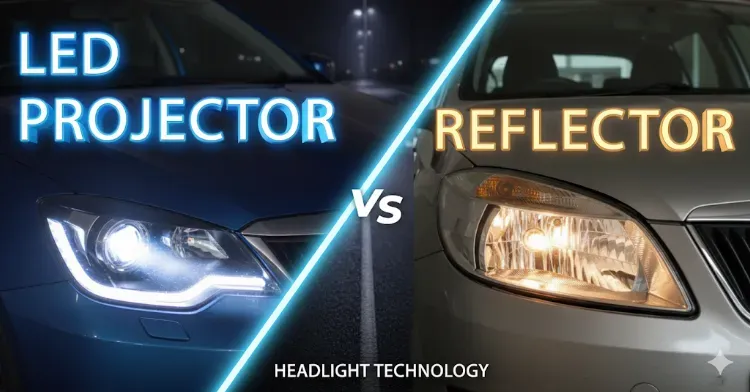
Reflector vs Projector LED Headlights: Key Differences in Beam Control, Fitment and Retrofit
Top 10 Car LED Headlight Bulb Manufacturers and Suppliers
Contacts
EKLIGHT
WhatsApp/Phone
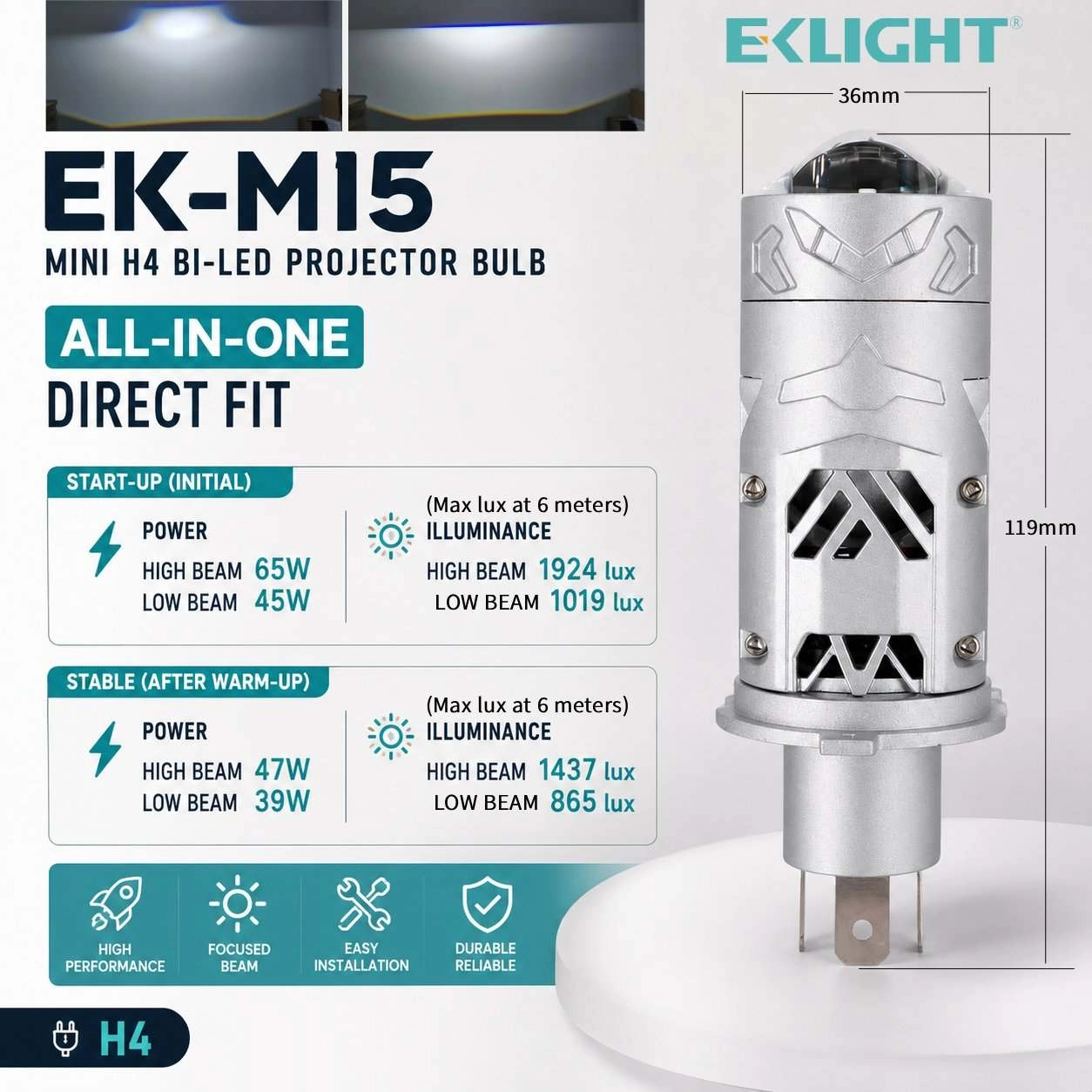
EKLIGHT M16-H4 Mini Bi-LED Projector Headlight Bulb | Wholesale
EKLIGHT M16-H4 Mini Bi-LED Projector Headlight Bulb | Wholesale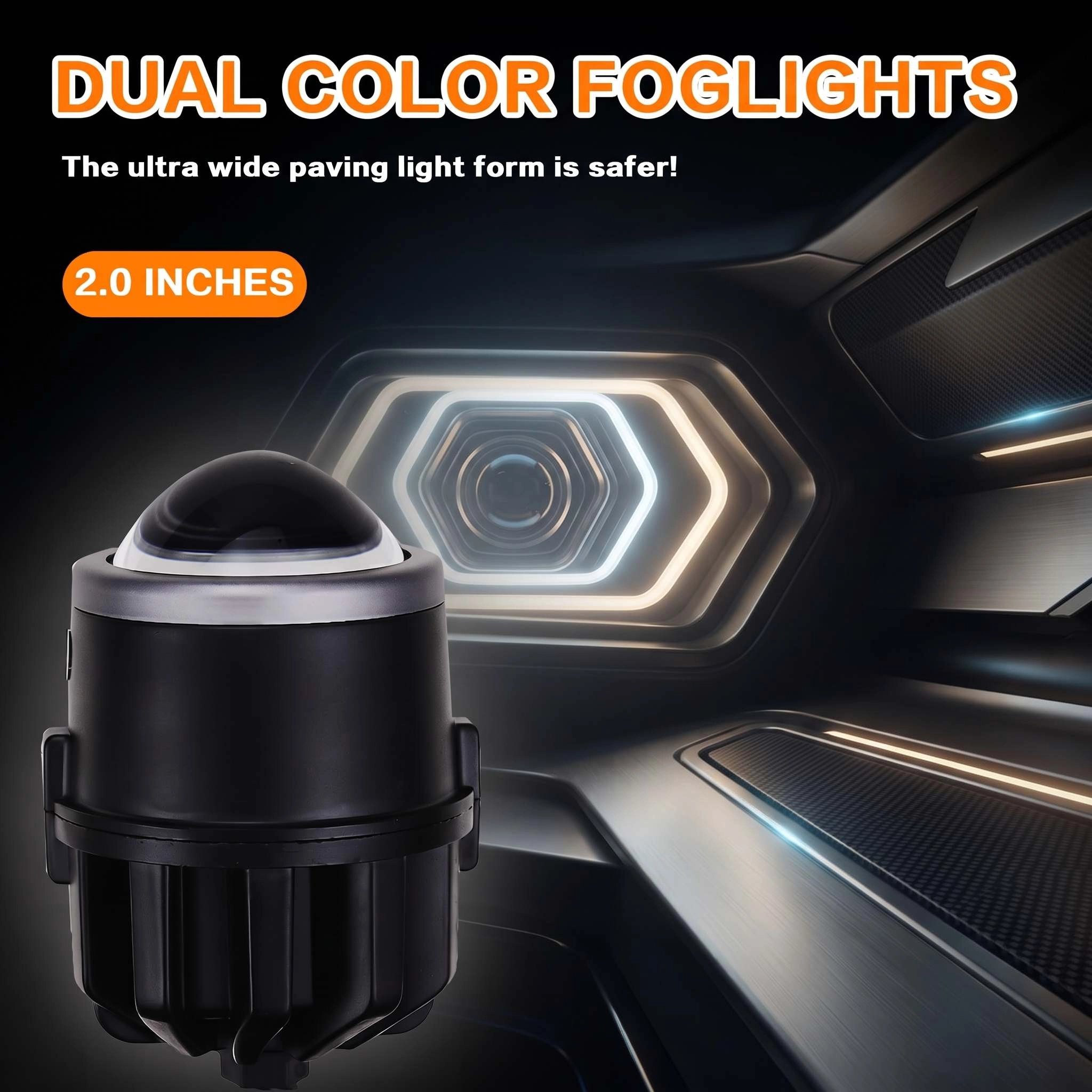
2.0-Inch Dual-Color Bi-LED Projector Fog Light 35W/45W | Wholesale
2.0-Inch Dual-Color Bi-LED Projector Fog Light 35W/45W | Wholesale
V90 65W Fan-Cooled LED Headlight Bulb with CANbus Decoder | OEM Supply
V90 65W Fan-Cooled LED Headlight Bulb with CANbus Decoder | OEM Supply
Best Auto Led Headlights | Custom Car Led Headlights
Best Auto Led Headlights | Custom Car Led HeadlightsDon’t Miss Our Latest Insights
Enjoying this article?
Subscribe to receive more industry insights, product updates, and automotive lighting innovations from EKLIGHT.
Stay informed and ahead of the market.
EKLIGHT delivers innovative, high-quality LED lighting solutions trusted by global partners.
We empower businesses with reliable products that enhance performance and drive success.
Contact EKLIGHT
Address : Building C, Dehuiwanggang Industrial Zone, No. 38 Wanggang Industrial three road, Baiyun district, Guanghzou, Guangdong province, China.
© 2026 EKLIGHT. All Rights Reserved.
EKLIGHT
EK
EK
EK
EK