


Fog Light Lens Supplier Evaluation for B2B Buyers
Follow us now:
Key Takeaways
Start Supplier Evaluation With the Application
Supplier evaluation becomes more useful when the application is defined before quotations are requested.
Fog light lens projects can differ in installation space, projector dimensions, mounting arrangement, beam function, electrical configuration, color configuration, environmental requirements, and compatibility constraints.
At EKLIGHT, we recommend defining the purchasing requirements first and then evaluating supplier responses against that common basis. Broader fog light lens sourcing criteria can help structure those requirements before supplier comparison begins.
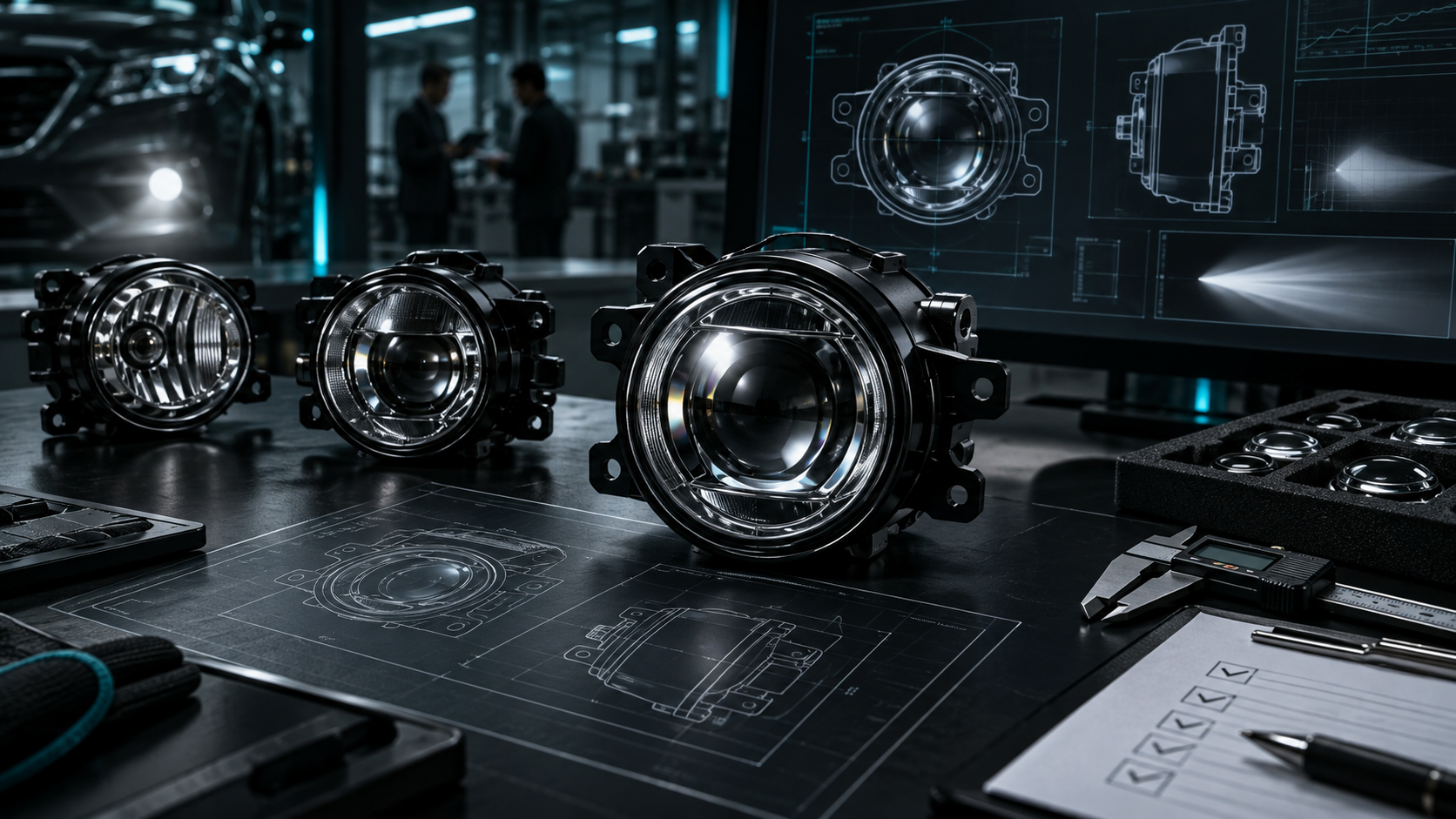
For compact installations, for example, projector lens dimensions and housing clearance can affect both physical fitment and the surrounding operating environment.
Move from application fit to an approved production reference.
Fit
Configuration
Evaluation
Evidence
Scope
Reference
Confirm Which Product Configuration Is Being Quoted
A quotation is only useful when buyers can identify the configuration behind it. Terms such as LED fog light lens, Bi-LED fog light lens, dual-color fog light, or compact projector describe broad product groups rather than a complete purchasing specification.
Two quotations should not be treated as directly comparable until the purchasing team understands what each proposed configuration actually includes.
Evaluate Fitment as a Complete Installation Condition
Nominal projector diameter is only one part of fitment. Rear depth, mounting points, driver location, wiring clearance, connector position, and surrounding components can also affect installation.
Buyers can provide the installation constraints that matter to the project and ask suppliers to identify how the proposed configuration corresponds to them. This helps resolve mechanical issues before optical or commercial approval.
Optical Evaluation Should Use Defined Conditions
Beam distribution, cutoff characteristics, hotspot position, operating mode, mounting orientation, and aiming can all influence the observed result.
Brightness descriptions alone do not provide a complete basis for supplier comparison. When test conditions change, buyers may be comparing the setup as much as the products.
The same principle applies to beam pattern and cutoff evaluation. A useful optical record identifies both the observed result and the conditions under which it was obtained.
Keep Thermal and Environmental Claims Product-Specific
A large heatsink does not independently establish thermal performance, and a sealed-looking housing does not establish a particular waterproof rating.
Product-specific evidence matters. thermal and waterproofing requirements for fog light lenses should remain connected to the identified configuration. An environmental specification associated with one fog light lens should not automatically be treated as a specification for another product or an entire supplier range.
Sample Approval Is Part of Supplier Evaluation
A physical sample helps buyers compare the quoted configuration with the actual product and review the characteristics that matter to approval.
It also shows how technical differences are handled. If the sample differs from the expected configuration, purchasing teams need to understand whether the cause is product selection, specification interpretation, sample preparation, or another identifiable factor.
Technical Communication Reveals Sourcing Risk
Technical communication matters because sourcing questions usually continue after the first quotation.
A general statement such as “waterproof” or “universal” is less useful when the product, installation condition, or supporting evidence is unclear. Buyers need clarity about what is confirmed and what still requires verification.
Review Changes Between the Approved Sample and Production
Supplier evaluation should continue beyond sample approval because production units need to remain consistent with the characteristics that influenced the purchasing decision.
Changes to housing structure, heatsink arrangement, mounting components, driver position, cable routing, connector configuration, sealing interfaces, electrical characteristics, or optical behavior may require review.
A structured production quality checks for fog light lenses process can compare production units with the accepted reference instead of relying on memory or broad product descriptions.
Evaluate Documentation by Relevance
Documentation needs depend on the sourcing program. Buyers may require product identification, dimensional information, sample records, packaging information, inspection records, or other market-specific documents.
Certification evidence should remain product-specific. A certificate associated with one product, component, or defined scope should not automatically be interpreted as evidence for another configuration.
Compare Price Only After the Technical Scope Is Clear
Two quotations may differ because the proposed configurations differ in projector size, optical function, electrical structure, environmental requirements, mounting parts, accessories, packaging, or documentation.
Unconfirmed price, MOQ, lead time, or supply commitments should remain quotation items rather than assumptions about a supplier.
Use the RFQ to Make Supplier Responses Comparable
A structured RFQ reduces ambiguity by communicating the requirements that materially affect product selection, sample approval, quotation, and production acceptance.
These details can later form part of formal fog light lens RFQ requirements. Suppliers can identify the proposed configuration, note differences, and clarify items that still require discussion.
Build the Supplier Decision Around Evidence
Different purchasing requirements may need different forms of evidence.
The objective is not to collect documents for their own sake. Evidence should support the characteristics that influence product selection, approval, and production acceptance.
Connect Supplier Evaluation With Production Acceptance
A practical sourcing sequence keeps the supplier decision connected to the same technical basis from inquiry through production.
Definition
Response
Evaluation
Reference
Inspection
The sequence reduces the risk of selecting a supplier based on one set of assumptions and inspecting production against another.
Supplier Qualification Evidence Matrix
Comparable bids require the same model revision and the same purchasing scope. Record actual supplier evidence, unresolved exceptions and the responsible reviewer; supplier assurances alone do not replace verification.
| Review item | Evidence to request | Purchasing decision |
|---|---|---|
| Product identity | Model / BOM revision, drawings, included driver and mounting parts | Match quotation and sample |
| Optical function | Defined beam test conditions, photometric or comparable test records | Meet agreed beam criteria |
| Fitment & electrical | Envelope dimensions, connector diagram, current / voltage ranges | Verify intended application |
| Thermal & sealing | Model-specific operating and ingress test evidence where applicable | Assess installation conditions |
| Production consistency | Approved reference sample, inspection plan, traceable lot information | Control variation and changes |
| Commercial scope | MOQ, lead time basis, packaging, warranty terms, tooling ownership if relevant | Compare like-for-like quotes |
For each supplier, record Pass / Pending evidence / Exception / Reject against buyer-defined criteria. Any unresolved critical fitment, optical, electrical or market-compliance condition should be closed before approval. An IP rating, certification or legal-use claim must be verified for the exact product and destination market rather than generalized across a supplier's catalog.
FAQ
What should B2B buyers evaluate in a fog light lens supplier?
Buyers can evaluate product configuration, fitment, optical requirements, electrical functions, thermal and environmental requirements, sample approval, technical communication, documentation, production consistency, and the supplier's response to the RFQ.
Why should the application be defined before comparing fog light lens suppliers?
Defining the application gives suppliers a common set of installation, optical, electrical, and environmental requirements to respond to, making product proposals and quotations easier to compare.
How should buyers compare samples from different fog light lens suppliers?
Samples should be evaluated under sufficiently consistent fitment, electrical, optical, and operating conditions. Purchasing-critical characteristics can then be recorded as part of the approved reference.
Should a waterproof rating from one fog light lens apply to other models from the same supplier?
No. Environmental specifications should remain connected to the identified product unless supporting evidence establishes that the specification applies to another configuration.
Why is an approved sample useful when evaluating a fog light lens supplier?
An approved sample creates a practical reference for product configuration, fitment, operating functions, optical characteristics, and other agreed requirements that may later be checked during production inspection.
What information can buyers include in a fog light lens RFQ?
Depending on the project, an RFQ can include the intended application, installation constraints, beam functions, color configuration, electrical and connector requirements, environmental expectations, sample approval requirements, documentation, and relevant commercial conditions.
- Key Takeaways
- Start Supplier Evaluation With the Application
- Confirm Which Product Configuration Is Being Quoted
- Evaluate Fitment as a Complete Installation Condition
- Optical Evaluation Should Use Defined Conditions
- Keep Thermal and Environmental Claims Product-Specific
- Sample Approval Is Part of Supplier Evaluation
- Technical Communication Reveals Sourcing Risk
- Review Changes Between the Approved Sample and Production
- Evaluate Documentation by Relevance
- Compare Price Only After the Technical Scope Is Clear
- Use the RFQ to Make Supplier Responses Comparable
- Build the Supplier Decision Around Evidence
- Connect Supplier Evaluation With Production Acceptance
- Supplier Qualification Evidence Matrix
- Discuss Fog Light Lens Sourcing With EKLIGHT
- FAQ

2025 Automotive Lighting Trends: Why LED Dominates the Market

Forward Lighting Synergy: Matching LED Headlights & Fog Lights
Contacts
EKLIGHT
WhatsApp/Phone
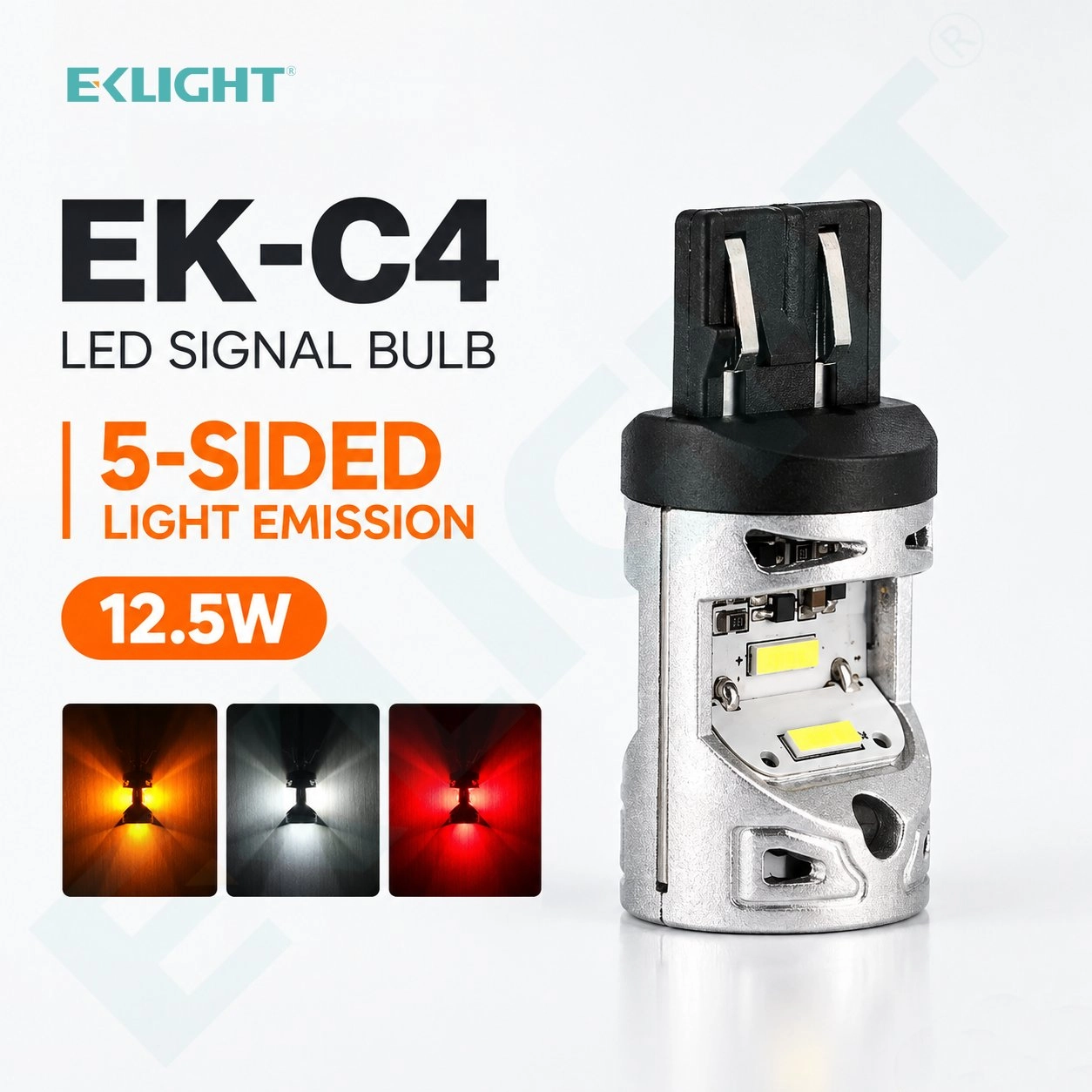
EK-C4 Series 5-Sided LED Bulb 12.5W High Power 1860 Chips
EK-C4 Series 5-Sided LED Bulb 12.5W High Power 1860 Chips
Mini H4 Bi-LED Projector Lens with Custom Optical Design | OEM Supply
Mini H4 Bi-LED Projector Lens with Custom Optical Design | OEM Supply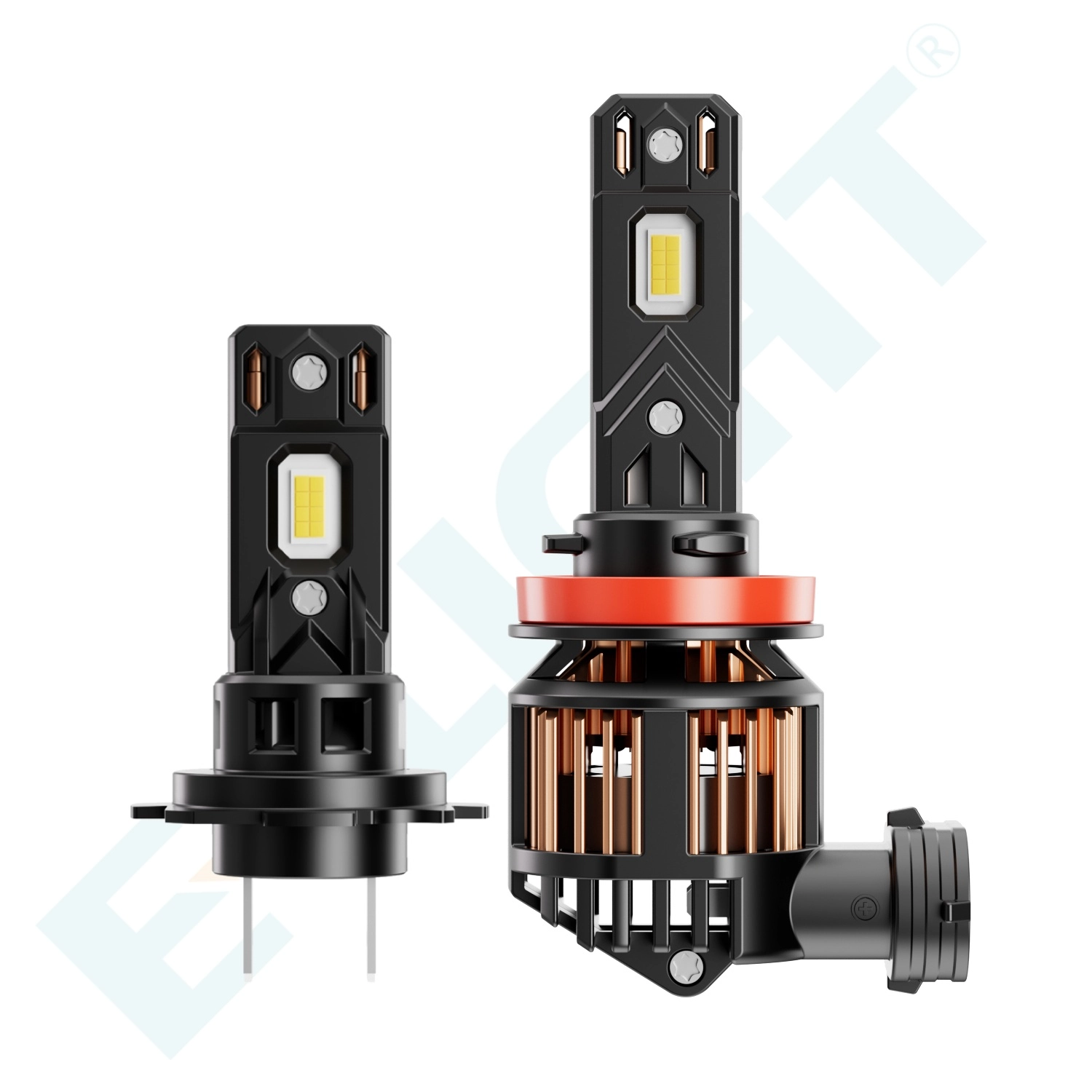
V7 50W 4500LM Fan-Cooled LED Headlight Bulbs H7/H11/9005/9012 | Wholesale
V7 50W 4500LM Fan-Cooled LED Headlight Bulbs H7/H11/9005/9012 | Wholesale
3157/4157 CANbus Switchback LED Turn Signal Bulbs | Wholesale
3157/4157 CANbus Switchback LED Turn Signal Bulbs | WholesaleDon’t Miss Our Latest Insights
Enjoying this article?
Subscribe to receive more industry insights, product updates, and automotive lighting innovations from EKLIGHT.
Stay informed and ahead of the market.
EKLIGHT delivers innovative, high-quality LED lighting solutions trusted by global partners.
We empower businesses with reliable products that enhance performance and drive success.
Contact EKLIGHT
Address : Building C, Dehuiwanggang Industrial Zone, No. 38 Wanggang Industrial three road, Baiyun district, Guanghzou, Guangdong province, China.
© 2026 EKLIGHT. All Rights Reserved.
EKLIGHT
EK
EK
EK
EK