


3000K vs 6000K Fog Light Lens: A B2B Color Temperature Selection Guide
Follow us now:
For automotive lighting buyers, 3000K and 6000K represent more than two visual color choices. Color temperature can affect product positioning, SKU planning, sample approval, packaging information, and customer expectations.
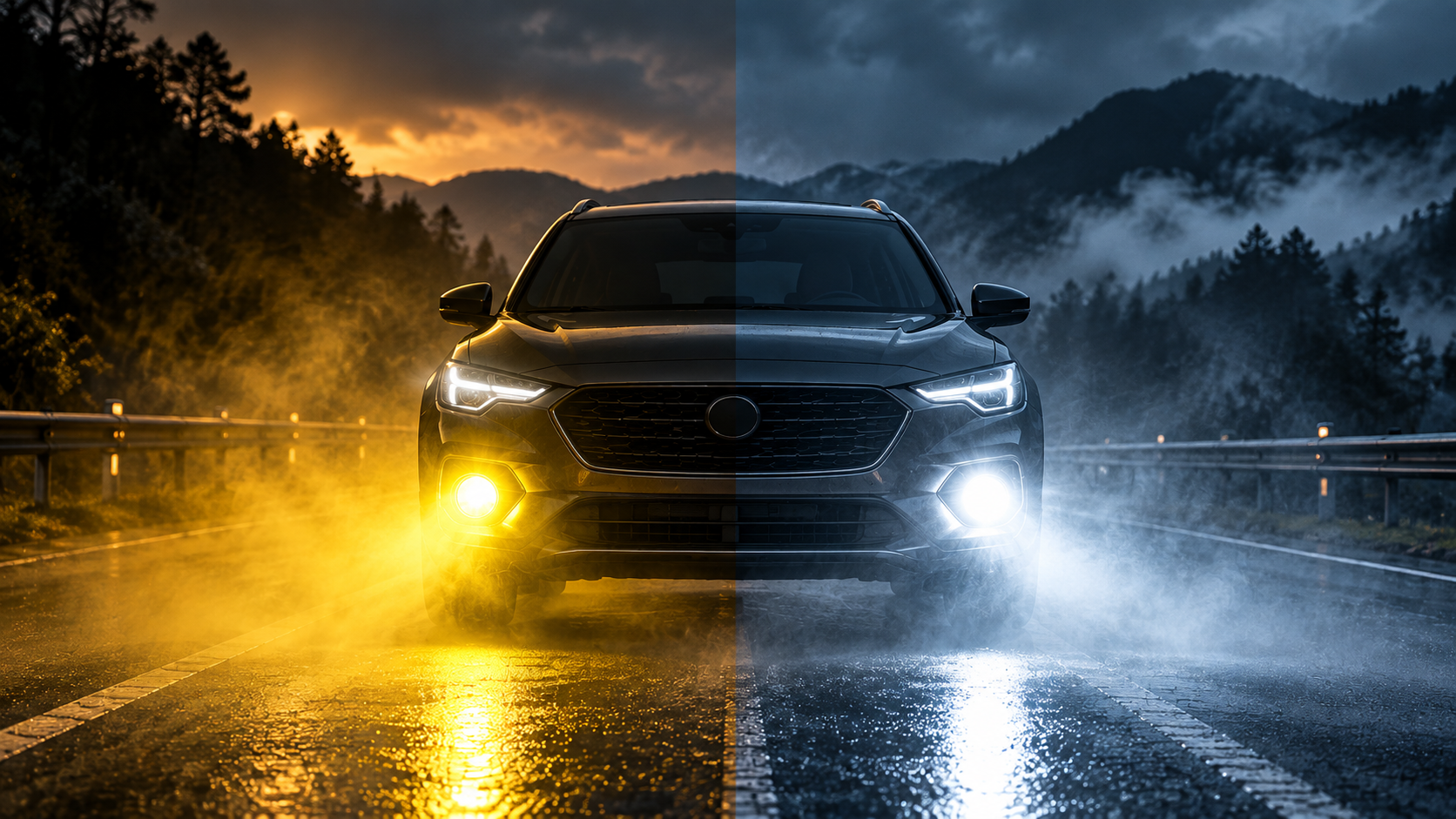
A 3000K configuration generally produces a warmer yellow appearance, while 6000K produces a cooler white appearance. Beam distribution, optical control, electrical configuration, housing fitment, product consistency, and target-market requirements still need to be evaluated separately.
Warm Yellow vs Cool White: Color and Beam Performance
B2B Decision: Select color temperature according to the actual product program, target market, optical requirements, and approved sample—not Kelvin value alone.
Key Takeaways
01 3000K is warmer and more yellow; 6000K is cooler and whiter. | 02 Kelvin value describes color appearance, not complete fog-light performance. | 03 Weather performance should not be predicted from color temperature alone. |
04 Approve the actual product configuration rather than Kelvin value in isolation. | 05 Dual-color products add switching, sample, labeling, and SKU considerations. | 06 Define color configuration clearly in RFQ and production specifications. |
What Does 3000K Mean for a Fog Light Lens?
A nominal 3000K fog light has a noticeably warmer appearance than a 6000K configuration. In automotive lighting, this is commonly perceived as yellow or warm yellow illumination.
That visual characteristic can matter when a buyer is developing a product line for customers who expect a yellow fog-light appearance or when color is part of the intended product positioning.
Two products identified as 3000K can still differ in beam distribution, intensity, optical geometry, LED source characteristics, driver behavior, and color consistency. For procurement teams, 3000K should therefore be treated as one element of fog light lens sourcing criteria, not as a substitute for optical or quality evaluation.
What Does 6000K Mean for a Fog Light Lens?
A nominal 6000K configuration has a cooler white appearance. This can be relevant when a product program is intended to coordinate visually with other white LED automotive lighting.
But 6000K does not independently describe beam quality or usable light distribution. Where the complete forward-lighting appearance matters, forward-lighting color coordination can be evaluated at system level rather than assuming that similar Kelvin labels automatically produce a matched visual result.
3000K in Fog: What Buyers Should Avoid Assuming
Visibility under difficult weather conditions depends on more than nominal color temperature. Beam direction, intensity distribution, mounting position, optical control, environmental conditions, and the complete lighting system can influence the resulting visibility.
If low-visibility performance is important to the product brief, buyers should evaluate the actual configuration for its intended application rather than use Kelvin value as the only acceptance criterion.
How Should Buyers Separate 6000K Color Appearance From Light Output?
A 6000K product can appear visually crisp because of its cooler white color, but that impression should not be treated as a measurement of total output or useful illumination. Likewise, a 3000K configuration should not be assumed to provide lower usable output simply because its appearance is warmer.
Output claims should be evaluated according to the actual product specification and relevant test conditions. Where color-temperature approval is combined with optical validation, beam pattern and cutoff evaluation should remain a separate evaluation step.
When Does a Dual-Color Fog Light Configuration Make Sense?
A dual-color configuration can be relevant when a product program needs more than one visual lighting mode without requiring two separate fog-light products. Buyers may need to confirm switching behavior, wiring or control requirements, product identification, packaging, and documentation.
EKLIGHT currently lists a 3000K/6000K dual-color Bi-LED configuration in its 2.0-inch projector fog light, with current product information specifying 35W/45W operation. The same specification should not automatically be assumed for other fog-light products.
Where the sourcing decision also involves optical architecture, Bi-LED and LED fog light configurations should be compared separately from color temperature.
Single Color vs Dual Color
| Procurement Factor | Single Color | Dual Color |
|---|---|---|
| Configuration | One defined color mode | Two available modes |
| Sample approval | Approve required configuration | Evaluate both required modes |
| SKU strategy | Separate 3000K / 6000K SKUs possible | One selectable configuration possible |
| Control | Simpler configuration | Switching logic requires confirmation |
| Documentation | Define one color configuration | Define both modes and operation |
Separate 3000K and 6000K SKUs may suit one product program, while a selectable dual-color configuration may fit another. More operating modes should not automatically be treated as greater product value.
From Configuration to Production Reference
STEP 01 ConfirmIdentify 3000K, 6000K, or dual color and the required operating mode. |
STEP 02 ControlKeep relevant electrical, mounting, aiming, and operating conditions consistent. |
STEP 03 EvaluateCheck the required modes on the actual product sample. |
STEP 04 ReferenceRecord the approved configuration, sample ID, mode, and evaluation method. |
Once a reference sample has been approved, production quality checks for fog light lenses can include color consistency as part of the broader quality-control process.
What Should Be Recorded During Color-Configuration Approval?
An approved sample needs to remain identifiable after sourcing moves into production. Useful records can include product or sample identification, nominal color configuration, relevant electrical conditions, operating mode, product version, and the agreed evaluation method.
Where measured color characteristics are required instead of visual comparison alone, the measurement method and acceptance range should be agreed for the specific project. Documentation should use consistent terminology across the quotation, sample, purchasing specification, packaging requirements, and production reference.
How Does Target-Market Positioning Affect the Choice?
A product line may emphasize a warm yellow fog-light appearance. Another may prioritize coordination with white LED forward lighting. A third may require selectable color modes. These are product and market decisions rather than universal technical rankings.
Compliance Note: A Kelvin value alone does not establish product compliance. Company-level certification should not automatically be treated as evidence that a specific fog-light configuration meets the requirements of a particular market.
RFQ Configuration Checklist
|
|
Clear fog light lens RFQ requirements help buyers compare quotations on the same configuration basis and reduce ambiguity during sample approval.
Sample approval should document model revision, measured color mode, beam distribution, supply voltage, startup and switching operation, warm-state behavior and destination-market documentation. Check both modes on dual-color modules under equivalent test conditions. Kelvin alone does not determine lumen output, fog visibility or legal road use.
How Should Buyers Make the Final 3000K vs 6000K Decision?
For a single-color product, define the required Kelvin configuration and approve it on the actual sample. For a dual-color product, evaluate both required modes and include switching requirements in purchasing documentation.
Color temperature should not become a proxy for overall product quality. The sourcing decision still depends on how the actual product meets optical, fitment, electrical, thermal and waterproofing requirements, quality, documentation, and market requirements.
Define the Configuration Before Requesting a Quote
Align color mode, fitment, optical expectations, electrical conditions, sample requirements, and destination-market needs before quotation comparison.
View 3000K/6000K Configuration Submit Sourcing RequirementsFAQ
What is the difference between 3000K and 6000K fog lights?
3000K produces a warmer, yellow-toned appearance, while 6000K produces a cooler, white-toned appearance. Color temperature describes appearance and should not be treated as a complete measure of fog-light quality or optical performance.
Is 3000K always better for fog?
No. Visibility in fog and other low-visibility conditions depends on beam distribution, optical control, mounting, intensity distribution, environmental conditions, and the complete lighting system as well as color temperature.
Is a 6000K fog light brighter than a 3000K fog light?
Not necessarily. Color temperature and light output describe different properties. Buyers should evaluate output and beam performance under relevant test conditions rather than infer brightness from Kelvin value.
What is a dual-color 3000K/6000K fog light?
A dual-color fog light provides both 3000K and 6000K operating modes within one product configuration. Buyers should confirm switching behavior, control requirements, labeling, documentation, and sample performance for the required modes.
How should B2B buyers compare 3000K and 6000K samples?
Buyers should identify the exact product configuration and compare samples under sufficiently consistent electrical, mounting, aiming, and operating conditions. Both required modes should be evaluated for dual-color products.
What should buyers include in a fog light color-temperature RFQ?
An RFQ can define the required color configuration, intended application, fitment, electrical and optical requirements, switching requirements for dual-color products, sample requirements, destination market, product-specific documentation, packaging, and labeling.
Should color temperature and beam pattern be approved separately?
Yes. Color temperature describes visual appearance, while beam distribution and optical control are separate characteristics. Both should be evaluated according to the requirements of the actual sourcing project.
- Warm Yellow vs Cool White: Color and Beam Performance
- Warm Yellow
- Cool White
- Key Takeaways
- What Does 3000K Mean for a Fog Light Lens?
- What Does 6000K Mean for a Fog Light Lens?
- 3000K in Fog: What Buyers Should Avoid Assuming
- How Should Buyers Separate 6000K Color Appearance From Light Output?
- When Does a Dual-Color Fog Light Configuration Make Sense?
- Single Color vs Dual Color
- From Configuration to Production Reference
- Confirm
- Control
- Evaluate
- Reference
- What Should Be Recorded During Color-Configuration Approval?
- How Does Target-Market Positioning Affect the Choice?
- RFQ Configuration Checklist
- How Should Buyers Make the Final 3000K vs 6000K Decision?
- Define the Configuration Before Requesting a Quote
- FAQ
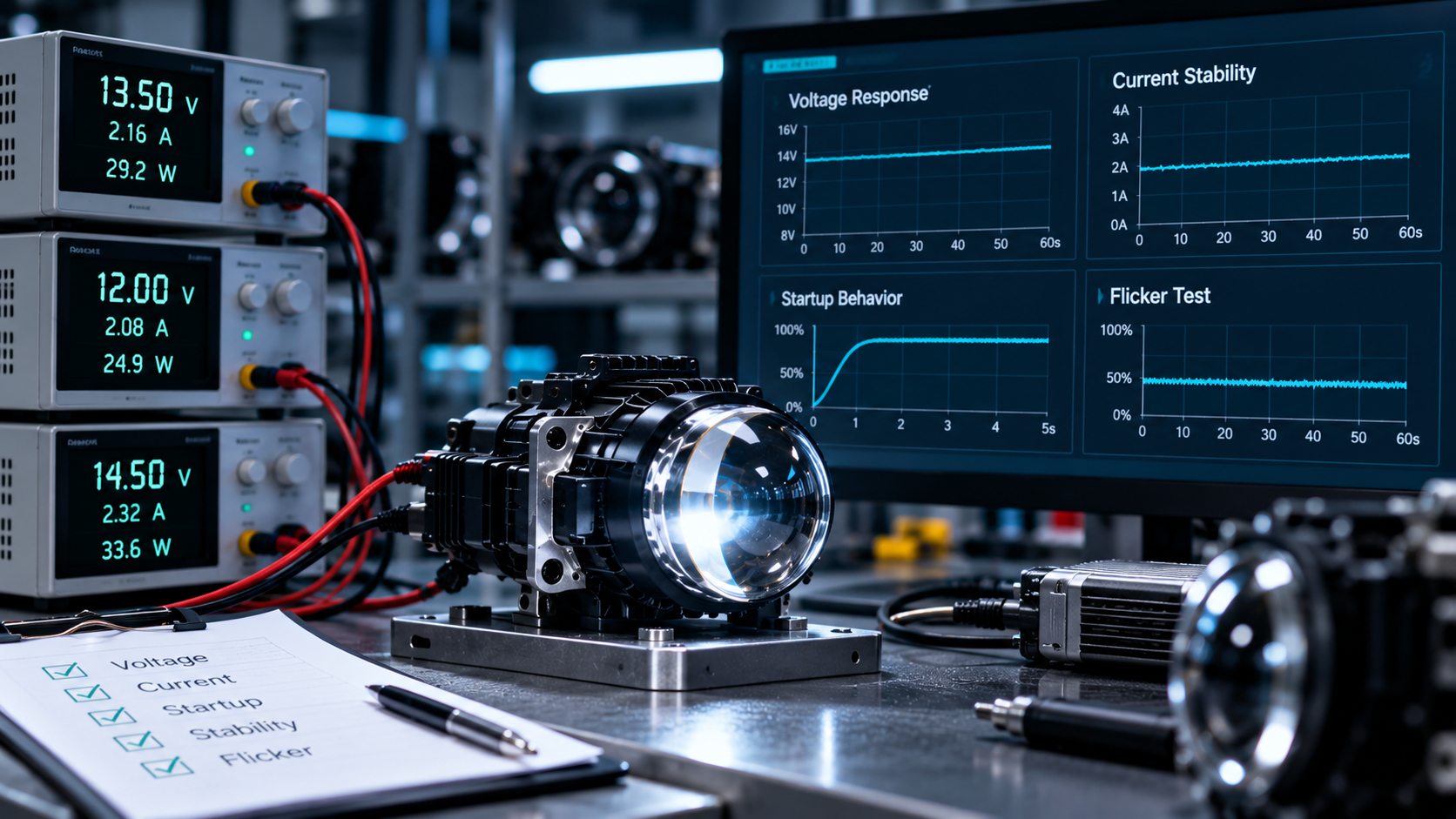
How to Test the Electrical Performance of Automotive LED Headlights Before Bulk Ordering

Sample Approval to Mass Production: How B2B Buyers Control the Transition
Contacts
EKLIGHT
WhatsApp/Phone
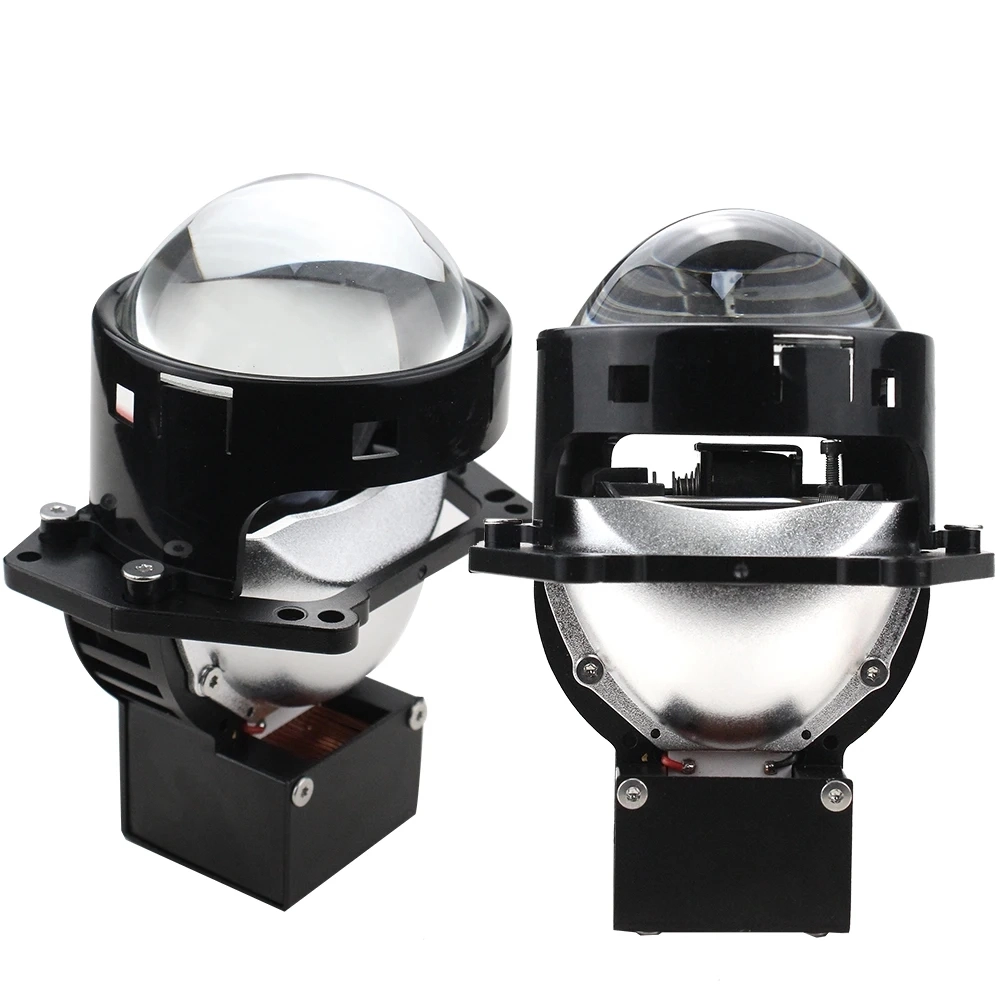
3.0-Inch 160W Dual-LED Projector Lens 12000LM 12V | OEM Supply
3.0-Inch 160W Dual-LED Projector Lens 12000LM 12V | OEM Supply
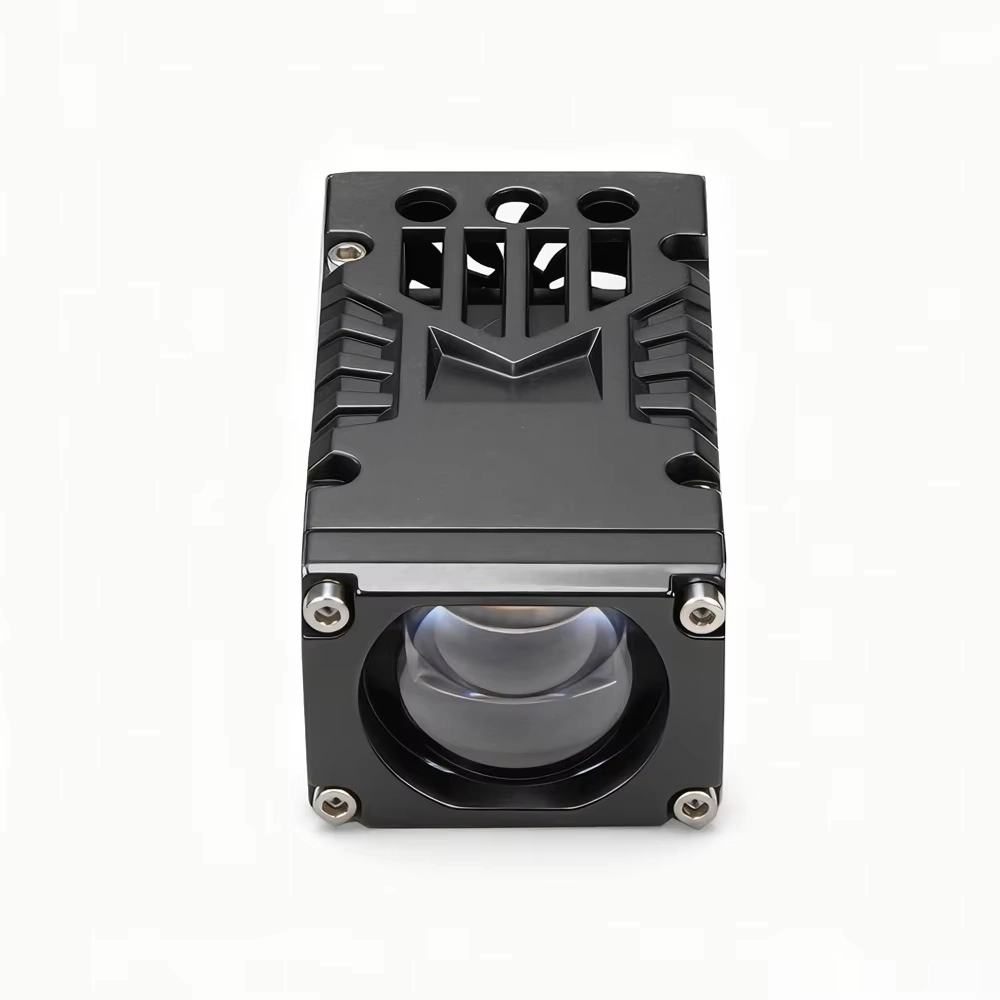
EK-M1PRO 120W Motorcycle LED Driving Lights | OEM Supply
EK-M1PRO 120W Motorcycle LED Driving Lights | OEM Supply
3157/4157 CANbus Switchback LED Turn Signal Bulbs | Wholesale
3157/4157 CANbus Switchback LED Turn Signal Bulbs | WholesaleDon’t Miss Our Latest Insights
Enjoying this article?
Subscribe to receive more industry insights, product updates, and automotive lighting innovations from EKLIGHT.
Stay informed and ahead of the market.
EKLIGHT delivers innovative, high-quality LED lighting solutions trusted by global partners.
We empower businesses with reliable products that enhance performance and drive success.
Contact EKLIGHT
Address : Building C, Dehuiwanggang Industrial Zone, No. 38 Wanggang Industrial three road, Baiyun district, Guanghzou, Guangdong province, China.
© 2026 EKLIGHT. All Rights Reserved.
EKLIGHT
EK
EK
EK
EK