


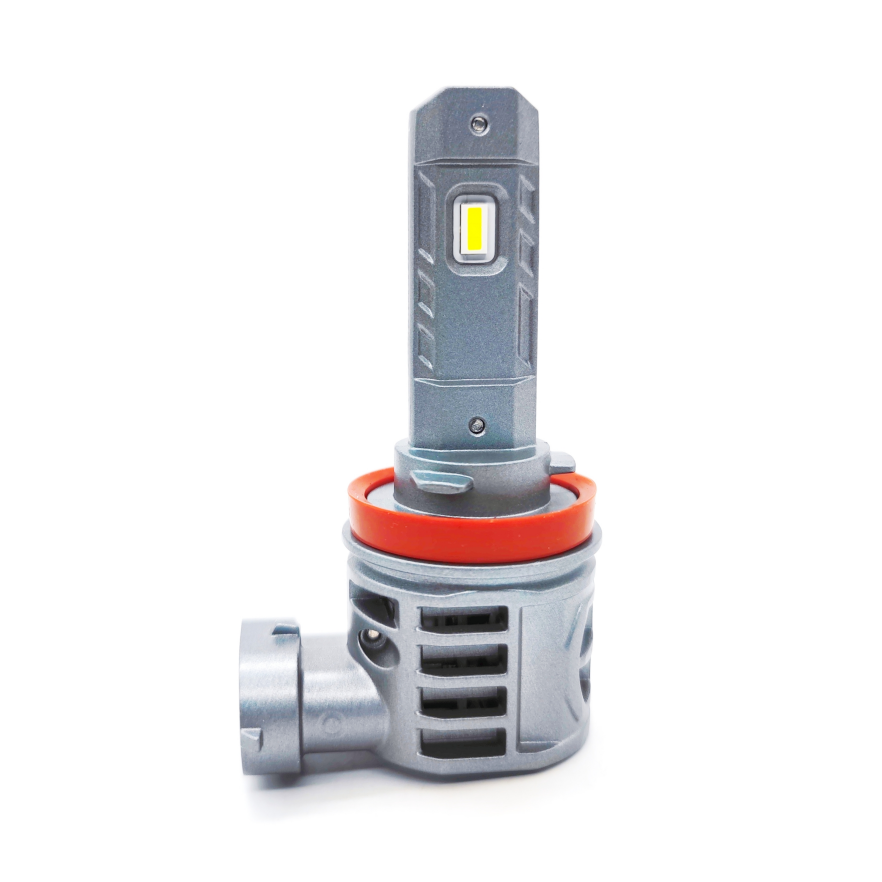
EK-V2 Fan-Cooled LED Bulbs
Inspect fan startup, mounting clearance, connector condition and consistency across sampled units.
View product configuration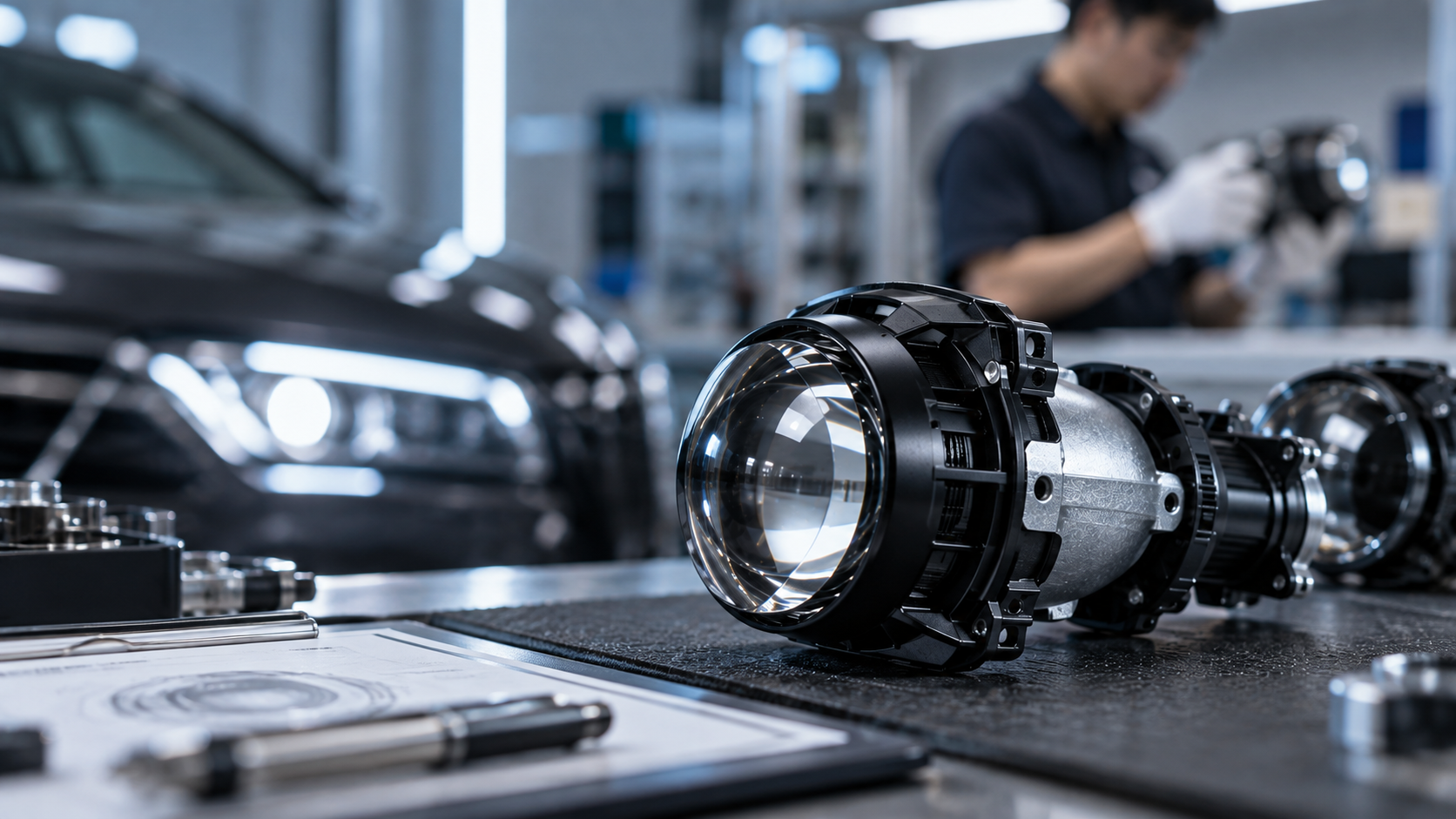
Follow us now:
Most automotive LED lighting quality problems do not begin as dramatic product failures.
They often appear first as small inconsistencies: one unit produces a slightly different beam, another runs hotter than expected, a connector sits differently, or a product becomes unstable after extended operation.
That question matters most when moving from sample approval into production, because small differences can become larger commercial problems when multiplied across hundreds or thousands of units.
For projector-based automotive lighting, one of the easiest problems to notice is an inconsistent beam pattern.
Two products from the same model should not produce completely different cutoff positions, hotspot locations or beam widths under the same test conditions.
Small variation may exist, but large differences can indicate issues in optical alignment, component positioning or assembly consistency.
A single beam pattern may look acceptable on its own. The problem becomes clearer when several units are tested side by side.
Inconsistent cutoff location or hotspot shape should be checked through a fixed-distance beam pattern comparison with consistent aim, electrical input and reference-sample geometry.
A product may appear bright during the first few minutes and then behave differently after extended operation.
This is not always a defect. LED systems naturally respond to temperature, and some change may be expected.
Output that keeps changing, temperature that continues rising or samples that behave very differently deserve attention.
A good sample should remain predictable after reaching its normal operating condition.
Thermal deviations need repeatable headlight warm-up and temperature-stability tests that distinguish normal stabilization from uncontrolled output loss.
Electrical issues are often easier to miss during visual inspection.
A product can look mechanically perfect and still show unstable startup, intermittent flicker or repeated restart behavior when powered.
Some electrical problems appear immediately, while others only become visible after operating for a period of time or when voltage conditions change.
Suspected electrical defects require startup, voltage and steady-state performance checks using recorded supply conditions and multiple units from the affected lot.
Some products look correct until someone actually tries to install them.
This is where incorrect mounting dimensions, limited clearance, awkward connector position or inconsistent bracket geometry become visible.
The practical question is not whether the product looks well built. It is whether multiple units can be installed correctly in the same way.
Installation failures should be traced against approved mounting dimensions, connector placement and assembly tolerances for the actual housing or adapter.
Not every visual difference affects performance.
Minor surface marks, finish variation or small cosmetic differences may have little functional impact. However, visible variation can still be useful as a signal.
A minor cosmetic difference does not automatically mean the product should be rejected.
Repeated variation in housing fit, seams, cable position or assembly appearance may indicate poor process control.
One of the most frustrating B2B quality problems is when the approved sample performs well, but production units do not behave the same way.
Sample approval should never be treated as the end of quality control.
The approved sample should become a reference for later comparison. When production units differ significantly, the buyer needs to determine whether the change is intentional, acceptable or evidence of product drift.
A mismatch between approved samples and production shipments requires batch-consistency records covering component revision, traceability, inspection results and any approved substitutions.
When defects appear after delivery, the receiving inspection record should identify the affected SKU, carton and production lot before a release or quarantine decision.
The first inspection goal is to separate observable symptoms from their possible causes. A flickering bulb does not automatically prove a defective LED driver, just as a displaced hotspot does not automatically prove a misaligned optic. Record operating and installation conditions, compare a retained approved sample, and reproduce the symptom before assigning responsibility.
| Observed issue | Possible contributors to investigate | Evidence / next check |
|---|---|---|
| Cutoff or hotspot varies | Optical alignment, LED position, fixture aim or assembly tolerance | Same fixture, distance, aim and voltage; reference beam photographs |
| Output falls after warm-up | Expected temperature response, inadequate cooling or control instability | Stabilized operation records, thermal conditions and multiple-unit comparison |
| Flicker or repeated restart | Power supply variation, connection, driver or vehicle compatibility | Recorded input conditions, startup cycle, connector and fault reproduction |
| Bulb will not seat correctly | Incorrect base, envelope dimensions, bracket or connector clearance | Part number, drawings, housing trial fit and dimensional photos |
| Units differ cosmetically | Finishing variation, assembly process or inconsistent components | Defect classification, location, approved appearance sample |
| Bulk lots differ from samples | Uncontrolled revisions, component substitutions or process drift | Lot codes, BOM/revision, retained sample and production traceability |
Where the beam is suspect, use a controlled automotive LED cutoff and hotspot comparison. Where the symptom appears only when installed, evaluate the mechanical fitment and construction tolerances against the intended vehicle housing.
An effective B2B response links the symptom to the approved product revision and the affected stock. Investigating isolated defects without checking nearby production lots can miss a recurring problem, while rejecting a whole shipment before verifying the test setup can be unnecessarily costly.
Record sample ID, power input, test fixture, mounting position, test duration and exact failure. Use a verified reference device.
Separate affected units and trace related cartons, batches and configuration revisions until the scope is understood.
Ask for root-cause evidence, assembly records, component changes, production inspection data and corrective actions.
Repeat the agreed test with replacement or corrected samples and document release authorization before distribution.
For incoming shipments, the automotive LED incoming inspection checklist establishes the receiving decision. For supplier qualification, the multi-supplier sample comparison process helps buyers apply consistent criteria. Acceptance quantities and critical defect definitions should come from the agreed purchase specification or inspection plan, not an invented universal threshold.
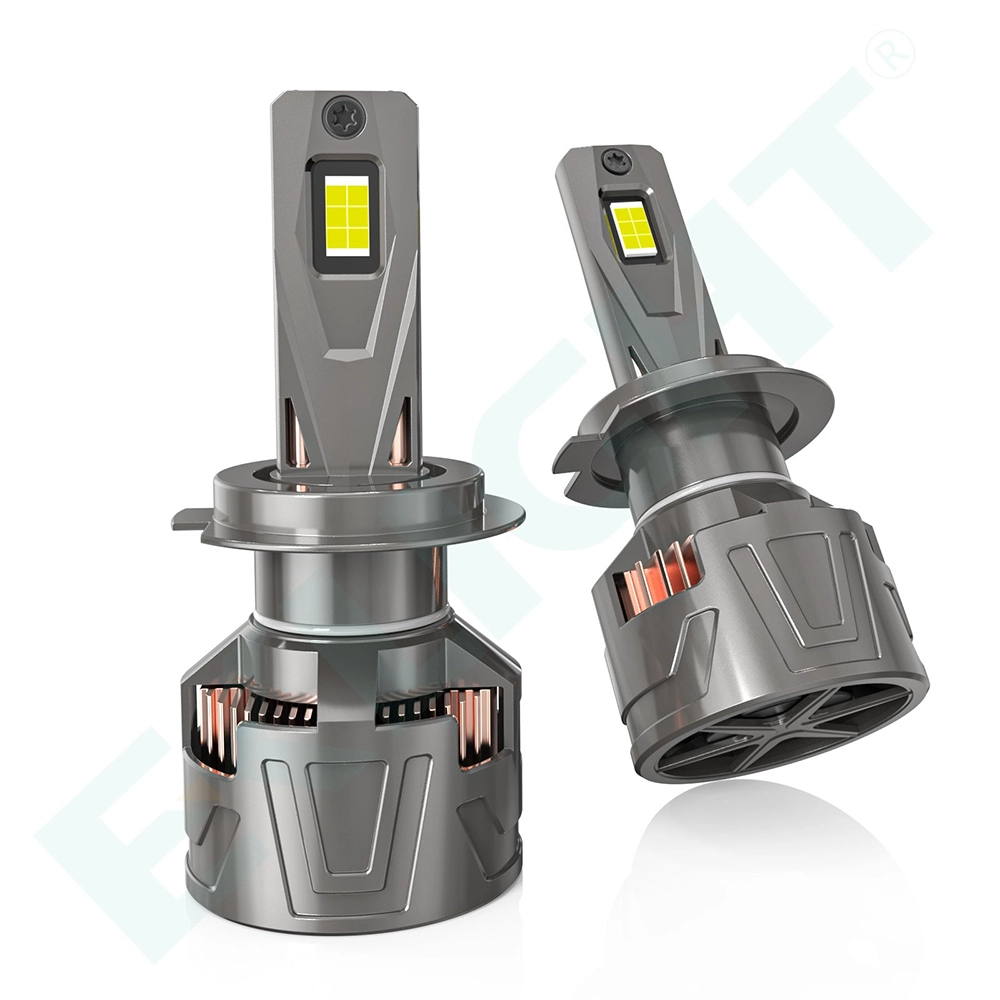
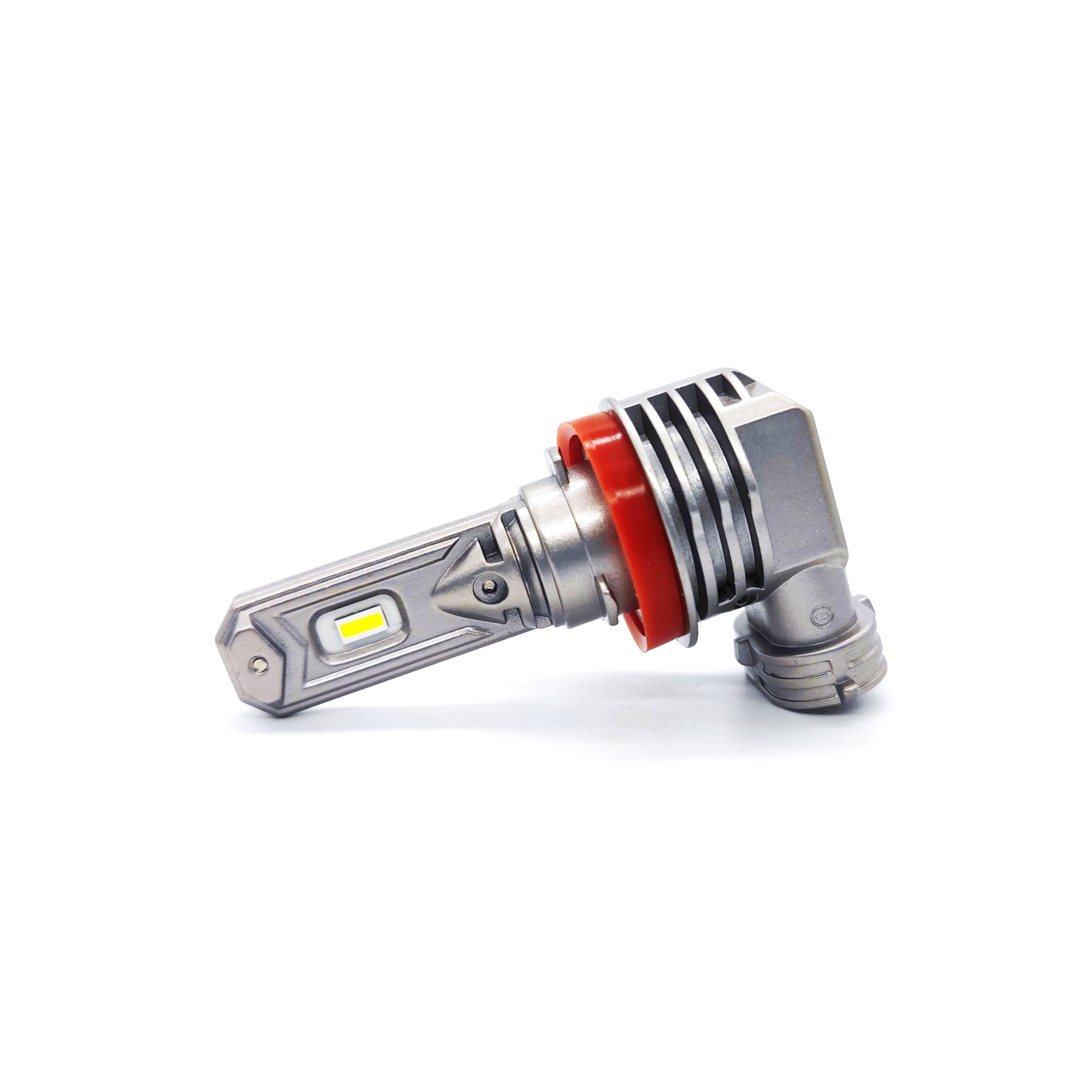
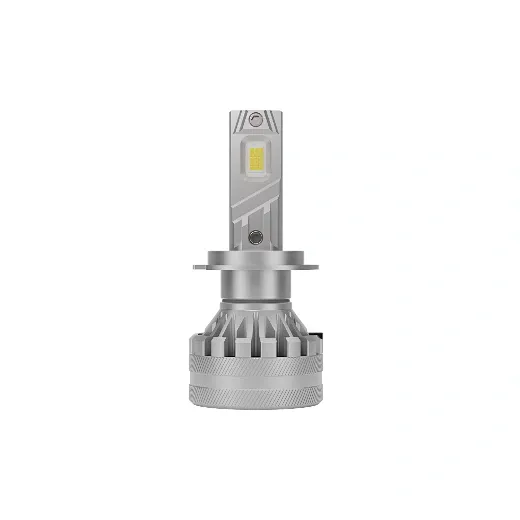
For a fan-cooled headlight bulb, verify fan operation and airflow clearance in addition to basic electrical and beam behavior. For a fanless design, focus on passive heat dissipation, base fitment, construction consistency and the approved operating envelope. The models below are product examples, not evidence that a particular quality issue exists.
A single imperfect unit does not always mean the entire product is poor. Likewise, one excellent unit does not prove that production quality is stable.
Optical + Thermal + Electrical + Mechanical + Production Consistency
Quality acceptance depends on controlled optical, electrical, thermal and mechanical variation across the approved production lot.
Explore Bi-LED Projector Lenses Contact UsCommon problems can include inconsistent beam patterns, unstable thermal behavior, flicker or restarting, fitment issues, visible assembly variation and differences between approved samples and production units.
No. Small variation can be normal. The important question is whether the difference is acceptable, repeatable and controlled under the same test conditions.
Meaningful differences can come from optical alignment, component positioning or assembly variation. Comparing several units under the same setup helps reveal whether the difference is isolated or systematic.
Not necessarily. LED systems respond to temperature, so some change may occur. The concern is when output remains unstable, temperature does not settle into a predictable condition or similar samples behave very differently.
Useful warning signs include unstable startup, intermittent flicker, repeated restart behavior and large differences in operation between samples under the same electrical conditions.
A product may look correct on a workbench but create problems inside the intended headlamp housing. Mounting dimensions, connector position, clearance and bracket geometry often need to be checked in the actual installation interface.
No. Minor cosmetic differences may have little functional impact. However, repeated visual variation can be useful as a signal when it appears together with mechanical, assembly or performance inconsistencies.
Uncontrolled variation across multiple units is a stronger warning sign than one isolated imperfection. B2B buyers should focus on whether optical, thermal, electrical, mechanical and assembly characteristics remain predictable across production.

Contacts
EKLIGHT
WhatsApp/Phone
Don’t Miss Our Latest Insights
Enjoying this article?
Subscribe to receive more industry insights, product updates, and automotive lighting innovations from EKLIGHT.
Stay informed and ahead of the market.
EKLIGHT delivers innovative, high-quality LED lighting solutions trusted by global partners.
We empower businesses with reliable products that enhance performance and drive success.
Contact EKLIGHT
Address : Building C, Dehuiwanggang Industrial Zone, No. 38 Wanggang Industrial three road, Baiyun district, Guanghzou, Guangdong province, China.
© 2026 EKLIGHT. All Rights Reserved.
Get Your Custom Quote
Fill out the form below, and our team will get back to you with a personalized quote for your lighting needs.
We’re here to provide the best solution for your business.
* Your information is kept confidential and will only be used to provide you with a personalized quote.
Let’s Chat!
Have questions or need advice?
Fill out the form below, and we’ll get in touch with you shortly to discuss your needs and provide the best solution.
* Your details will be kept confidential and used solely for communication purposes.
Let’s Get You a Custom Quote!
Tell us what you need, and we’ll craft a personalized quote just for you!
Fill out the form, and our team will get back to you with the best possible solution. Let’s make your ideas come to life.
* No worries, your info stays private with us. We’ll use it solely to prepare your personalized quote.
EKLIGHT
EK
EK
EK
EK