


Automotive LED Lighting Incoming Inspection Guide

Follow us now:
Automotive LED lighting receiving inspection verifies shipment identity, product conformity and visible or functional deviations before the goods enter inventory.
Receiving acceptance depends on product identity, approved configuration and evidence from the delivered lot.
That distinction matters. A supplier may have completed optical, thermal, electrical and production checks before shipping, but distributors and importers still need their own acceptance process.
Incoming inspection should be fast enough for real warehouse operations, but focused enough to catch transport damage, mixed configurations, assembly variation or unexpected batch differences before the goods move deeper into inventory or distribution.
Verify Shipment Condition and Traceability
Before opening cartons, look at the condition of the shipment itself.
Damaged outer packaging does not automatically mean the product inside is defective. However, crushed corners, moisture exposure, broken internal protection or signs of heavy movement can tell the receiving team where closer inspection is needed.
If one section of a shipment shows visible transport damage, it makes sense to inspect samples from that area more carefully instead of treating every carton as equally exposed.
The point is to use packaging condition as a risk signal, not as the final acceptance decision.
Verify Product Identity Against the Approved Specification
One of the most basic incoming inspection mistakes is assuming that a visually similar product is automatically the correct product.
Before testing performance, confirm product identity. Depending on the project, this may mean checking visible housing details, connectors, labels, included parts, mounting configuration or other characteristics that distinguish one version from another.
Housing, connectors, labels and included components should correspond with the approved configuration.
Similar-looking models should not be treated as interchangeable without confirming the actual configuration.
Confirm part number, component revision, mounting interface and approved accessories before functional testing.
The delivered SKU, component revision and configuration must match the approved sample-to-production specification, including any authorized changes made before shipment.
Check Sampled Units for Assembly and Fitment Consistency
Incoming inspection works best as a comparison process.
Instead of opening one unit and deciding whether it “looks good,” compare several units from the shipment.
Look at the housing, mounting features, connectors, cable routing, fasteners and visible assembly condition.
Small differences are not automatically a problem. What matters is whether variation looks controlled or whether some units appear meaningfully different from others.
One connector sitting at a slightly different angle may not matter. Repeated variation in mounting position or assembly alignment can be more important because it may affect installation.
Repeated connector, bracket or assembly differences require comparison with the mechanical fitment and build-quality tolerances established for the approved configuration.
Check Startup, Operation and Basic Electrical Stability
Visual inspection is useful, but some problems only appear when the product is powered.
A simple functional check on selected units can confirm whether they start normally and remain stable during basic operation.
Does the product start normally?
Does it remain on without repeated restart behavior?
Is there obvious visible instability?
Do several sampled units behave similarly?
If one unit behaves very differently from the rest, that is a reason to investigate further rather than immediately assuming the entire shipment is defective.
Repeated flicker, abnormal startup or power drift should trigger electrical performance testing under documented input voltage, operating duration and load conditions.
Screen Beam-Forming Products Against the Approved Reference
For projector lenses and other beam-forming products, appearance and electrical operation are not enough.
A product can power on correctly while still showing an optical difference.
Look for obvious differences in cutoff position, hotspot location, beam width or general light distribution.
The purpose is not to perform full optical laboratory analysis on every incoming unit. It is to catch a meaningful change before a large quantity enters inventory.
Classify Nonconformities Before Releasing the Lot
Incoming inspection becomes valuable when it helps the team make better decisions.
Not every issue should trigger the same response.
Packaging damage or transport exposure may require documentation and closer sampling.
Appearance differences should be compared with the approved acceptance standard.
Unstable startup, incorrect fitment or major optical deviation usually deserves deeper review.
Good incoming inspection avoids both over-rejection and under-reaction.
A receiving defect record should distinguish optical, thermal, electrical and fitment quality problems so that affected stock is contained and the supplier can investigate the relevant production process.
Incoming Quality Control Checklist by Inspection Gate
A receiving inspection is a release decision based on the approved purchase specification, supplier drawings, retained golden sample and agreed sampling plan. The receiving team should record the shipment identity before opening cartons, then separate packaging damage from component defects and functional failures. A pass at this stage does not replace type approval, durability validation or full production testing.
| Gate | What to verify | Receiving evidence |
|---|---|---|
| 1. Shipment and cartons | PO quantity, carton count, seals, moisture exposure, crushing and shipping marks | Packing list, carton photos, delivery record |
| 2. Product identity | Part number, H4/H7/H11 or other fitment code, revision, color, voltage and packaging label | Approved specification, carton and unit label photos |
| 3. Mechanical condition | Connector keying, heat sink, fan, seals, lens scratches, bracket fit and included accessories | Dimensional checks and defect photos |
| 4. Basic electrical function | Correct supply voltage, startup, steady operation, abnormal flicker, polarity and low/high switching if fitted | Test supply settings, unit ID, results and failure notes |
| 5. Optical screening | Visible output, beam position, cutoff and hotspot versus a known-good reference for applicable products | Fixed-distance photos, aim settings and reference ID |
| 6. Lot disposition | Defect classification, quantity checked, acceptance decision and responsible sign-off | Inspection record, quarantine tag or release authorization |
Electrical anomalies need a documented headlight electrical performance test; mechanical deviations should be compared against the approved fitment and build-quality criteria. These deeper evaluations are escalation procedures, not mandatory full tests on every received unit. If receiving samples show optical variation, compare them against the approved beam pattern acceptance criteria. Suspected heat-related instability should trigger the agreed LED headlight thermal performance test.
How to Set a Defensible Sampling and Acceptance Plan
There is no universal number of automotive LED units that every importer must open. The sample size and acceptance criteria depend on the contracted inspection method, lot definition, criticality of the defect, supplier history and destination-market requirements. Before receipt, document whether the lot is defined by purchase order, production batch or model/revision; avoid pooling different optical or electrical configurations into one sample.
Select samples across multiple cartons, pallet positions and lot identifiers rather than inspecting only the easiest carton to access. Classify defects in advance: a safety-relevant electrical issue, wrong part number or incompatible connector may call for a stop and escalation, while minor cosmetic marks can require different treatment under the agreed specification. Do not invent an AQL value or acceptance quantity after seeing the result: use the purchase contract or buyer-approved sampling procedure.
What to Do When a Sample Fails
Do not immediately return or accept an entire shipment solely because one unit is abnormal. Identify and isolate the affected lot, retain the nonconforming unit and reference sample, and document the exact failure. A verified wrong configuration or repeatable functional defect may justify a hold pending supplier analysis; isolated transport damage may require targeted checks of affected cartons.
For an unresolved issue, ask the supplier for traceability, root-cause analysis, containment of related stock and a corrective-action plan. Reinspection should use a documented method and should not silently replace the original failed result. Compare any replacement units against the same approved sample and revision. If issues recur, connect the receiving record with batch consistency control and the sample-to-mass-production approval trail.
A receiving inspection is only one control point. The technical requirements, evidence, sampling plan and supplier response route should be agreed before a bulk order, not improvised after the freight arrives.
Product Types to Include in an Incoming Inspection Plan
Different automotive LED constructions require different checks. The following EKLIGHT product examples illustrate fan-cooled versus fanless receiving considerations; their catalog descriptions are not substitutes for the approved purchase specification or an inspection report.


Incoming Inspection Should Support a Confident Acceptance Decision
A practical receiving process should confirm that the delivered products still match the approved configuration, operate normally and remain reasonably consistent across sampled units.
Approved Reference + Product Identity + Basic Function + Sampled Consistency
The release decision should be documented against the approved specification and shipment inspection evidence.
Explore Bi-LED Projector LensesContact UsFAQ
What is the main purpose of incoming inspection for automotive LED lighting?
Incoming inspection helps distributors and importers confirm that delivered products still match the approved configuration and that no obvious transport, assembly, functional or batch-level issues are present before the shipment moves into inventory or distribution.
Should damaged packaging automatically cause product rejection?
No. Damaged packaging is a risk signal rather than an automatic rejection reason. It should prompt closer inspection of the affected cartons and products to determine whether transport conditions actually caused product damage.
Why should buyers confirm product identity before performance testing?
Visually similar automotive lighting products can still differ in connectors, mounting configuration, included parts or other specifications. Confirming product identity first helps ensure the receiving team is evaluating the correct approved configuration.
How many units should be opened during incoming inspection?
The article does not prescribe a fixed quantity. The practical approach is to compare multiple units rather than relying on a single sample, so the receiving team can identify obvious variation in appearance, fitment, assembly and basic operation.
What should a basic power-on check look for?
A basic check should confirm normal startup, stable operation, absence of obvious flicker or repeated restart behavior, and reasonably similar behavior across the sampled units.
Do projector lenses need optical checks during receiving inspection?
For beam-forming products, selected samples can be compared with an approved or known-good reference for obvious differences in cutoff position, hotspot location, beam width or general distribution. This is a screening check rather than a full laboratory test.
How should incoming inspection handle different types of issues?
Shipment-related damage, cosmetic or assembly variation, and performance-related deviations should not be treated the same way. Minor issues may only require documentation or comparison, while unstable operation, incorrect fitment or major optical deviations may justify deeper review before acceptance.
What question should the receiving team be able to answer before accepting the shipment?
The receiving team should be able to determine whether the shipment still represents the approved product well enough to move forward confidently into inventory, repacking, resale or customer delivery.
- Verify Shipment Condition and Traceability
- Verify Product Identity Against the Approved Specification
- Check Sampled Units for Assembly and Fitment Consistency
- Check Startup, Operation and Basic Electrical Stability
- Screen Beam-Forming Products Against the Approved Reference
- Classify Nonconformities Before Releasing the Lot
- Incoming Quality Control Checklist by Inspection Gate
- How to Set a Defensible Sampling and Acceptance Plan
- What to Do When a Sample Fails
- Product Types to Include in an Incoming Inspection Plan
- Fan-Cooled LED Headlight Bulbs
- Fanless LED Headlight Bulbs
- Incoming Inspection Should Support a Confident Acceptance Decision
- FAQ
Top 10 Car LED Headlight Bulb Manufacturers and Suppliers

How to Choose a Reliable Automotive LED Lighting Manufacturer: The Ultimate B2B Sourcing Guide
Contacts
EKLIGHT
WhatsApp/Phone
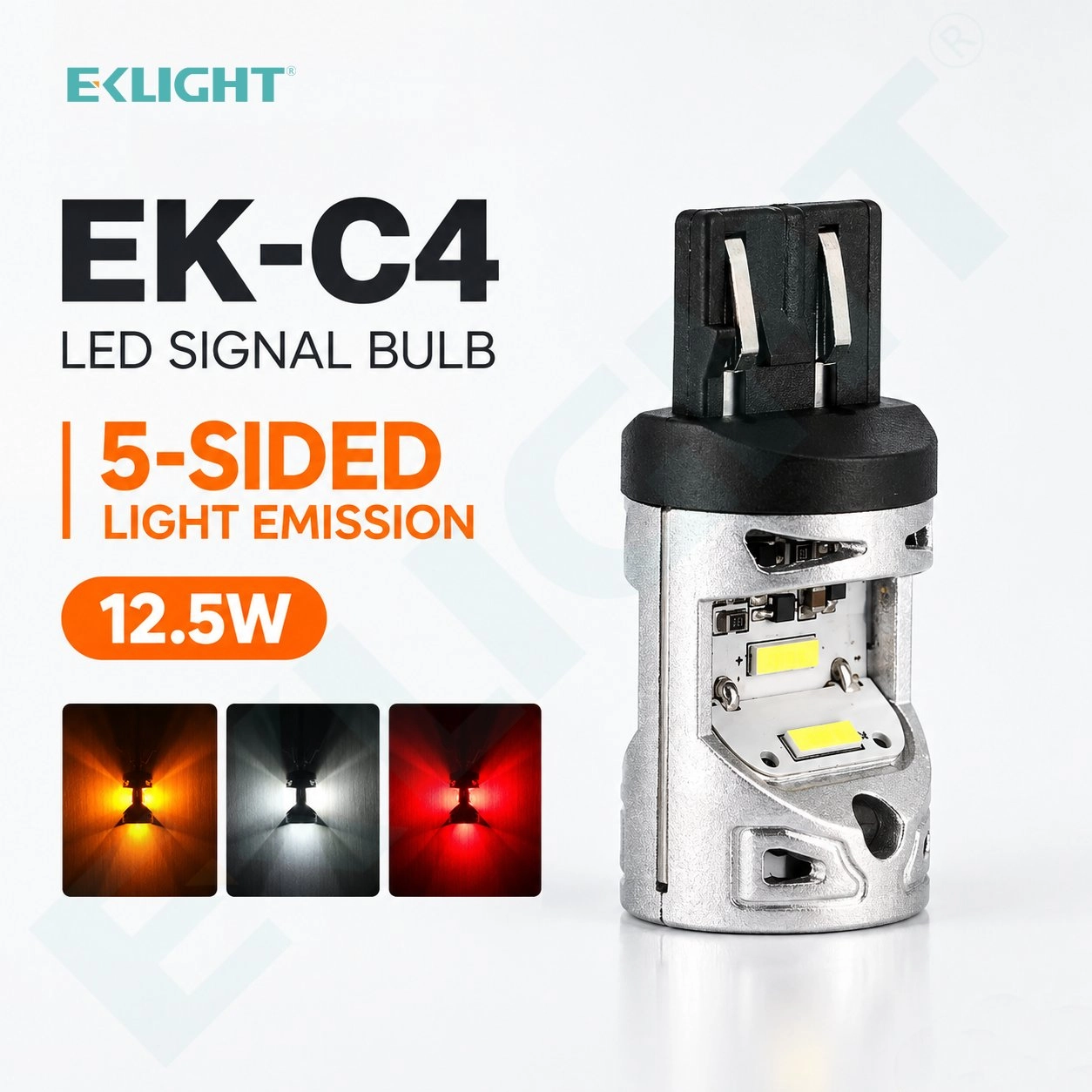
EK-C4 Series 5-Sided LED Bulb 12.5W High Power 1860 Chips
EK-C4 Series 5-Sided LED Bulb 12.5W High Power 1860 Chips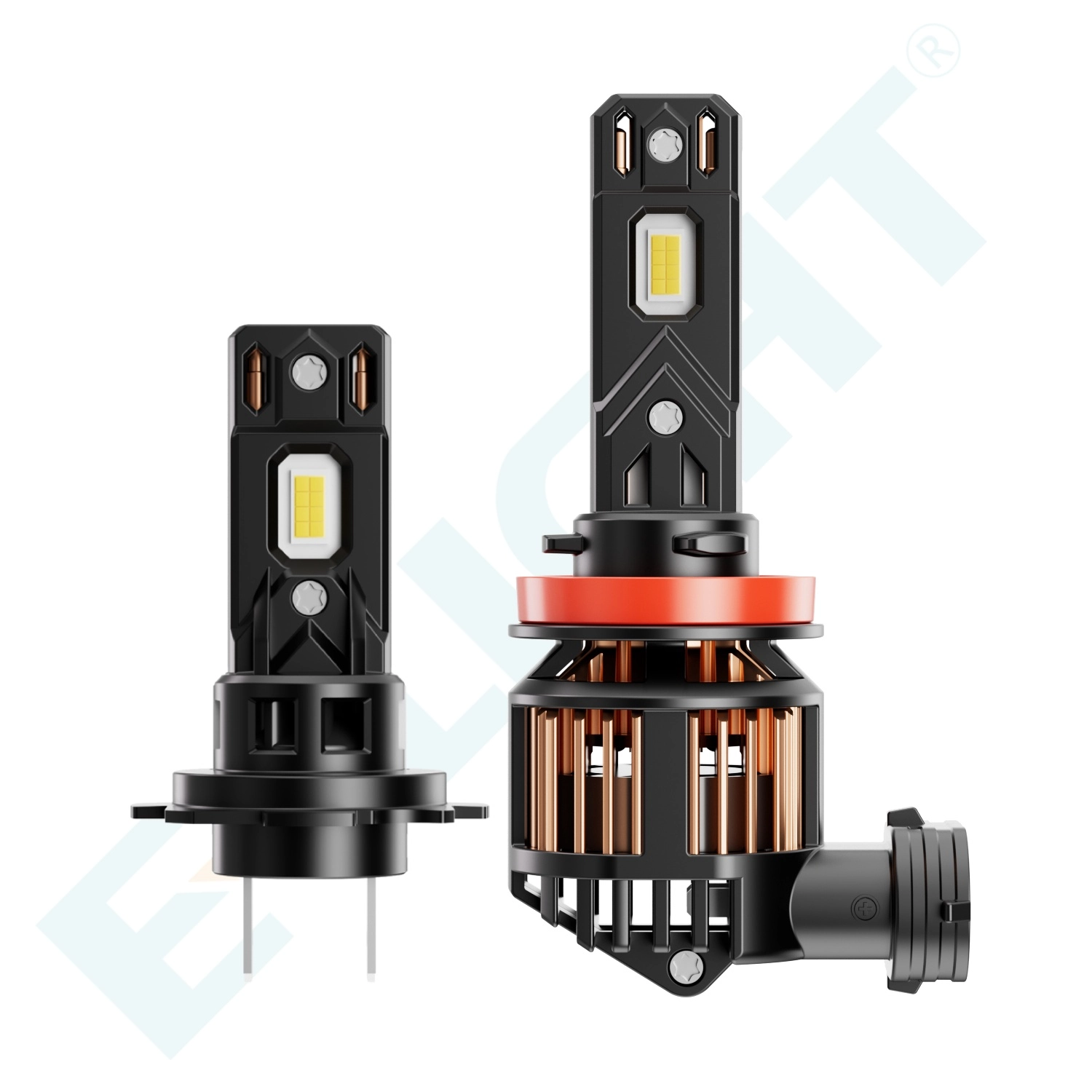
V7 50W 4500LM Fan-Cooled LED Headlight Bulbs H7/H11/9005/9012 | Wholesale
V7 50W 4500LM Fan-Cooled LED Headlight Bulbs H7/H11/9005/9012 | Wholesale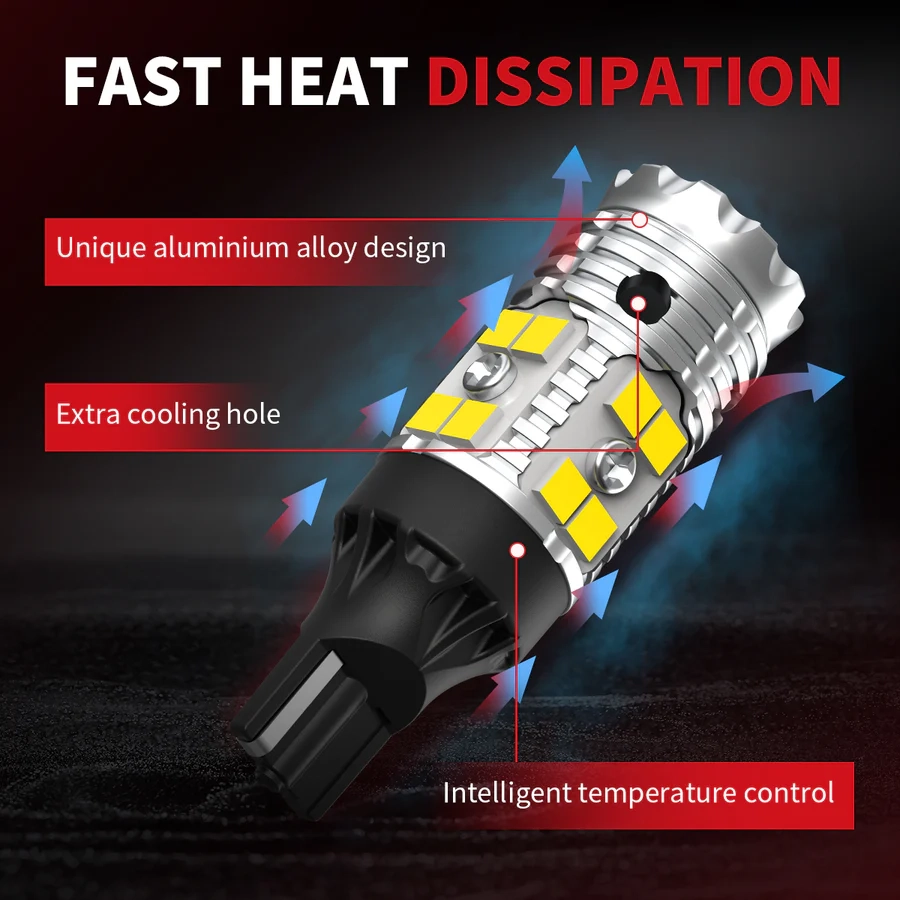
T15 912/921 CANbus Error-Free White LED Bulbs | Wholesale
T15 912/921 CANbus Error-Free White LED Bulbs | Wholesale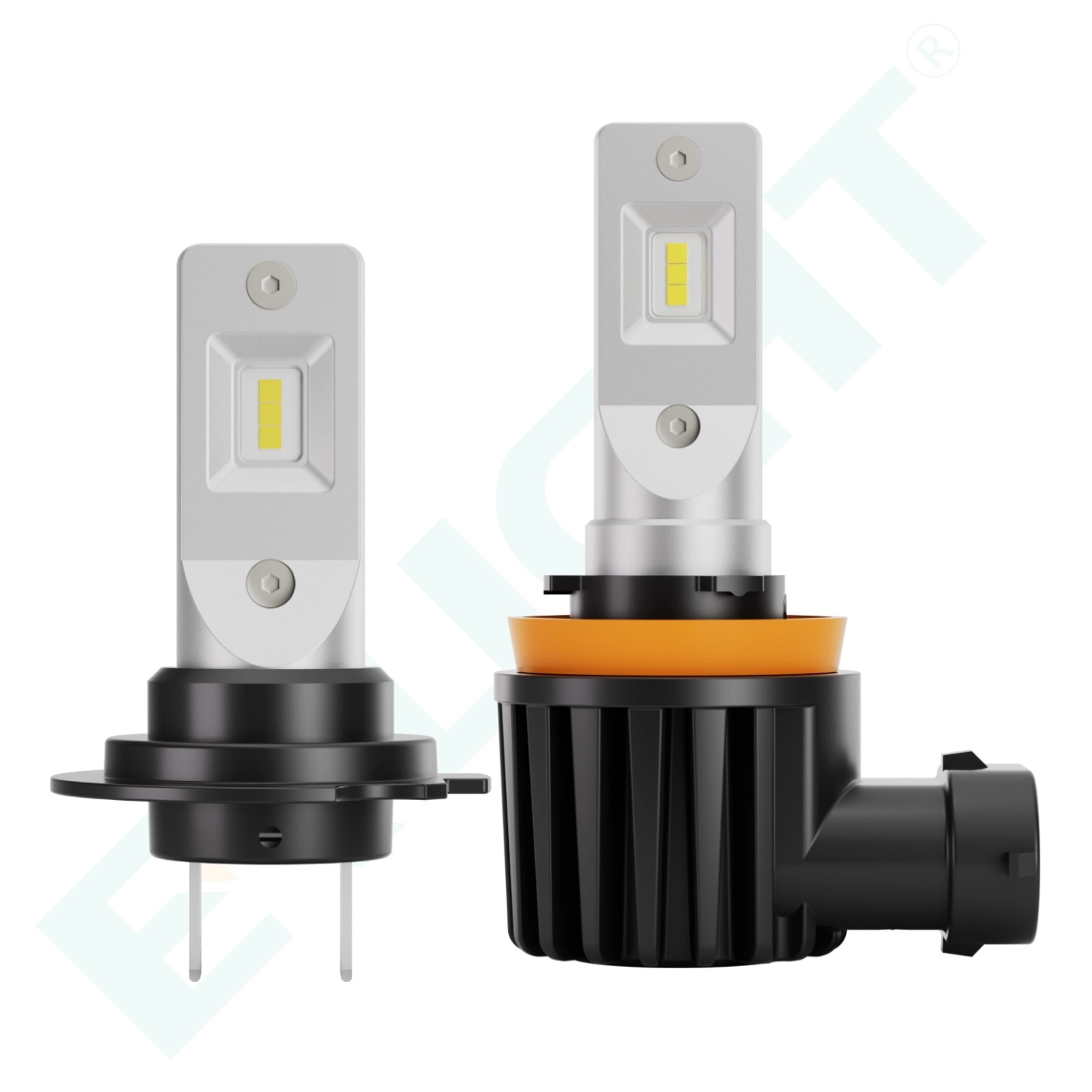
V10P 16W Fanless LED Headlight Bulb 1800LM ADE H4/H7/H11/880 | OEM
V10P 16W Fanless LED Headlight Bulb 1800LM ADE H4/H7/H11/880 | OEMDon’t Miss Our Latest Insights
Enjoying this article?
Subscribe to receive more industry insights, product updates, and automotive lighting innovations from EKLIGHT.
Stay informed and ahead of the market.
EKLIGHT delivers innovative, high-quality LED lighting solutions trusted by global partners.
We empower businesses with reliable products that enhance performance and drive success.
Contact EKLIGHT
Address : Building C, Dehuiwanggang Industrial Zone, No. 38 Wanggang Industrial three road, Baiyun district, Guanghzou, Guangdong province, China.
© 2026 EKLIGHT. All Rights Reserved.
EKLIGHT
EK
EK
EK
EK