


Fan-Cooled LED Bulbs vs Copper-Braid Cooling Systems

Fan-cooled LED bulbs and copper-braid cooling systems solve the same automotive lighting problem—removing heat from the LED junction and maintaining stable optical performance—but they use fundamentally different thermal strategies. An active fan forces air across a heat sink and can support high-power compact designs, while a passive copper-braid assembly conducts heat away from the light source and dissipates it through a flexible metal structure. For buyers comparing an active-air LED headlamp bulb with a braided-copper heat management design, the correct decision depends on thermal load, enclosure geometry, environmental exposure, acoustic expectations, serviceability, and regulatory compliance rather than advertised wattage alone.
Thermal Design Differences in Automotive LED Headlamps
How active fan cooling removes heat
A fan-cooled system uses an electric motor, impeller, heat sink, and airflow path. The fan increases convective heat transfer by moving air over the heat sink, which can lower the thermal resistance between the LED package and surrounding air. This approach is attractive when a high-output light source must fit into a restricted rear housing or when passive metal mass cannot provide enough dissipation.
However, airflow performance depends on the actual installation. A compact headlamp enclosure may have limited air volume, blocked vents, or a dust cap that restricts circulation. Fan speed can also change with voltage, temperature, or control strategy. Buyers should therefore request thermal test results in the intended housing rather than relying on open-bench measurements.
How copper-braid cooling transfers heat
A copper-braid system uses conductive copper strands connected to the LED mounting area or heat sink. The braid spreads heat across a larger flexible surface, allowing the assembly to fit around the rear of a lamp while avoiding a motor and rotating component. Its performance depends on copper cross-sectional area, contact pressure, braid length, installation orientation, surrounding airflow, and the ability of the enclosure to release heat.
Passive cooling is not automatically superior. If the braid is folded tightly, compressed against an insulating surface, or installed in a sealed cavity with little dissipation area, its effective thermal performance can fall sharply. The procurement specification should define the permitted bend radius, contact arrangement, and clearance requirements so installers do not unintentionally reduce heat transfer.
Why junction temperature matters more than nominal wattage
LED reliability is governed by junction temperature, current stability, solder quality, driver efficiency, and thermal interface design. Two products with similar rated power can produce different operating temperatures because their LED package, circuit board, driver, and heat path are different. Excessive heat may cause lumen depreciation, color shift, driver stress, intermittent shutdown, or accelerated degradation of plastic and sealing materials.
Testing should include stabilized thermal measurements at the LED board, driver, heat sink, and nearby housing surfaces. A responsible supplier should explain test conditions, ambient temperature, input voltage, stabilization time, and whether the bulb was tested inside a representative headlamp. This evidence is more useful than an isolated maximum-lumen figure.
Fan and Copper-Braid Systems Compared for Fleet and Distribution Projects
Reliability, contamination, and service life
The principal vulnerability of active cooling is the moving fan. Bearing wear, impeller imbalance, connector failure, blocked airflow, and dust accumulation can reduce cooling capacity. In commercial fleets, off-road vehicles, agricultural equipment, and construction applications, vibration and contamination make these risks more relevant. A fan does not necessarily fail quickly, but it adds a failure mode that a passive system does not have.
Copper-braid assemblies have no motor or fan bearing, which can simplify reliability analysis. Their risks include braid fatigue from repeated bending, poor thermal contact, oxidation or contamination at interfaces, and installation damage. Quality control must therefore examine copper purity, braid consistency, attachment strength, insulation clearance, and resistance to vibration and thermal cycling.
Noise, electromagnetic compatibility, and customer perception
Most vehicle owners will not evaluate thermal resistance directly, but they may notice fan noise after installation, especially when the engine is off or the vehicle is used in a quiet environment. Noise varies with fan design, speed, balance, mounting, and enclosure resonance. Buyers serving High Quality, passenger, or ride-hailing markets should include acoustic evaluation in product approval.
A fan motor and its driver can also introduce electrical switching behavior that must be considered in electromagnetic compatibility validation. Lighting products should be assessed as part of the vehicle electrical environment, including radio interference, pulse conditions, polarity protection, and compatibility with the vehicle’s bulb monitoring system. The U.S. FMVSS No. 108 requirements illustrate why replacement lighting cannot be judged only by brightness; lamp function, aiming, installation, and photometric performance also matter.
Packaging, installation, and after-sales implications
Active-air products may require sufficient rear clearance for the fan intake and exhaust path. A dust cap that presses against the fan can create noise or stop the impeller. Passive braided products may fit more headlamp geometries, but installers need clear instructions for spreading the braid and avoiding contact with hot or moving components.
For distributors, the support burden is different. Fan-based products require troubleshooting procedures for abnormal noise, stalled rotation, and airflow obstruction. Copper-braid products require guidance on thermal contact and correct positioning. A supplier that provides dimensional drawings, installation photographs, vehicle fitment notes, and replacement policies reduces warranty disputes and improves channel confidence.
| Evaluation criterion | Fan-assisted LED cooling | Copper-braid passive cooling | Buyer implication |
|---|---|---|---|
| Heat removal mechanism | Forced airflow across a heat sink | Conductive heat spreading and passive dissipation | Match the system to the available enclosure and thermal load |
| Moving components | Motor and impeller present | No rotating cooling component | Assess mechanical failure exposure and maintenance priorities |
| Acoustic output | Possible motor or airflow noise | Normally silent during operation | Important for passenger, High Quality, and quiet-vehicle applications |
| Installation sensitivity | Needs unobstructed airflow | Needs correct braid placement and firm thermal contact | Validate the product inside the target headlamp |
| Dust and moisture considerations | Air movement can draw contaminants toward the cooling path | Passive design avoids fan airflow but still needs protected interfaces | Review sealing, venting, and environmental test results |
| Best-fit project profile | High thermal demand with adequate airflow space | Noise-sensitive or maintenance-sensitive applications | Choose by duty cycle and installation conditions, not marketing labels |
Procurement and Validation Framework for LED Retrofit Programs
Define the operating environment before selecting a design
A sourcing team should document vehicle platform, headlamp type, bulb base, available rear depth, dust-cap dimensions, ambient temperature range, voltage variation, daily operating hours, vibration exposure, and expected service life. A delivery van operating continuously in a hot climate presents a different thermal challenge from a private passenger car used for short night journeys.
Regulatory and photometric requirements must be evaluated at the lamp level. Beam pattern, glare control, cutoff quality, color, luminous intensity, and correct seating in the reflector or projector are central to road safety. The United Nations Economic Commission for Europe vehicle-regulation framework provides an important reference point for markets using UNECE technical requirements. Buyers should also review relevant national approval rules before commercial launch.
Request evidence that can be audited
A serious RFQ should request thermal curves, stabilized temperature readings, driver specifications, LED package information, input-voltage limits, photometric reports, EMC documentation, ingress protection claims where applicable, and reliability test conditions. The ISO 16750 series for environmental conditions and testing of electrical and electronic equipment in road vehicles is a useful reference when defining vibration, climatic, mechanical, and electrical validation plans.
Light safety also deserves attention. High-intensity optical products should be reviewed against applicable photobiological safety practices, including the principles described in IEC 62471. Documentation should identify the tested configuration, because a bulb installed in a different reflector or projector can produce a different beam and exposure profile.
Use a total-cost-of-ownership model
Unit price is only one part of the commercial decision. The model should include installation time, vehicle downtime, warranty return rates, replacement inventory, product fitment coverage, technical support, packaging damage, and the cost of regulatory rework. A silent passive design may create value by reducing customer complaints, while an active system may create value when it enables a higher-output package in a constrained housing.
Before approval, buyers should run comparative tests under the same voltage, ambient conditions, headlamp housing, and operating duration. Measure light output after thermal stabilization rather than only at startup. Inspect the driver for thermal protection behavior, verify the beam pattern, and repeat the test after vibration and thermal cycling. This procedure produces a decision based on actual vehicle performance.
Why EKLIGHT Supports Scalable Automotive Lighting Supply
Manufacturing depth and quality orientation
EKLIGHT has more than 16 years of expertise in the automotive lighting industry and specializes in manufacturing a broad range of high-quality LED automotive products. Our quality commitment is built into product selection, engineering review, production control, and inspection. For distributors, brand owners, and project operators, this approach creates a more dependable foundation for fitment programs and repeat purchasing.
Our engineering and manufacturing teams evaluate thermal architecture as part of the complete lighting product rather than treating cooling as an isolated feature. Fan-assisted assemblies, passive copper-braid configurations, heat sinks, drivers, LED boards, and mounting interfaces must work together inside the intended lamp. This system-level perspective helps buyers reduce the risk of selecting a visually impressive product that underperforms after installation.
A product portfolio aligned with different vehicle requirements
Our portfolio includes LED headlight bulbs for replacement and upgrade programs, exterior and interior bulbs for broad vehicle coverage, Bi-LED projector lenses for controlled beam performance, mini projector LED bulbs for compact applications, and driving lights for auxiliary illumination. Each category serves a different commercial and technical requirement, so product selection can be aligned with vehicle type, installation space, target market, and performance positioning.
For buyers comparing active and passive thermal solutions, EKLIGHT can support evaluation around bulb dimensions, base compatibility, heat-management structure, driver integration, optical performance, and intended duty cycle. Clear product data helps importers and distributors establish fitment tables, define channel positioning, and avoid unnecessary returns caused by incorrect application assumptions.
Innovation and partner-focused execution
Innovation is a continuing part of our development strategy. Each year, EKLIGHT invests in new LED lighting technologies so partners can respond to changing customer expectations and increasingly demanding vehicle applications. Development priorities include stable output, practical installation, improved optical control, thermal reliability, and product designs that are suitable for scalable manufacturing.
Our industry position is based on consistent quality, continuous innovation, and a partner-focused approach. We support project owners with product communication, technical coordination, sampling, and manufacturing alignment. When the application requires a fan-cooled architecture, a copper-braid solution, or another thermal configuration, the purchasing decision can be connected to measurable operating conditions and a realistic commercial plan.
For a structured supplier evaluation, buyers should compare samples under identical conditions, confirm production consistency between batches, review quality records, and establish warranty and change-control terms before launch. This process allows EKLIGHT and its partners to build a lighting program around reliability and customer value rather than short-term specifications alone.
Contact EKLIGHT to discuss the appropriate thermal design and explore LED headlight bulbs, exterior and interior bulbs, Bi-LED projector lenses, mini projector LED bulbs, and driving lights for your automotive lighting project.
Frequently Asked Questions
Which cooling system is better for high-output automotive LED bulbs?
Neither system is universally better. Fan-assisted cooling can support high thermal demand when adequate airflow is available, while copper-braid cooling can be effective when passive heat spreading, silent operation, and fewer moving parts are more important. The decision should be based on stabilized thermal tests inside the intended headlamp housing.
Are copper-braid LED bulbs more reliable than fan-cooled designs?
Copper-braid assemblies eliminate motor and fan-bearing failure modes, but they still require correct thermal contact, protected interfaces, and resistance to vibration and thermal cycling. Fan-cooled products can be reliable when the fan, airflow path, driver, and enclosure are properly validated.
Can a headlamp dust cap reduce the performance of a fan-cooled bulb?
Yes. A dust cap can restrict intake or exhaust airflow, press against the fan, increase noise, or contribute to overheating. Active-air products should be tested with the actual cap and installation geometry used on the target vehicle.
What documents should B2B buyers request from an LED lighting supplier?
Buyers should request thermal test data, photometric reports, driver specifications, input-voltage limits, LED package information, EMC documentation, environmental test conditions, dimensional drawings, fitment information, and warranty or change-control terms.
Does higher lumen output guarantee better automotive lighting performance?
No. Road performance also depends on beam pattern, cutoff, glare control, optical alignment, color, thermal stability, and compatibility with the reflector or projector. A high startup-lumen figure does not prove that the installed lamp will deliver safe or stable illumination.
What should be included in a fleet or distributor total-cost analysis?
The analysis should include unit price, installation time, downtime, warranty returns, replacement inventory, fitment coverage, technical support, packaging damage, regulatory validation, and the potential cost of customer complaints or rework.

M6 is a high-performance LED lighting solution for headlight retrofit and external working lights. With 9-16V wide voltage, 50W low beam and 60W high beam output, IP68 waterproof protection, and customizable color temperature, it supports OEM/ODM customization for various vehicle applications.
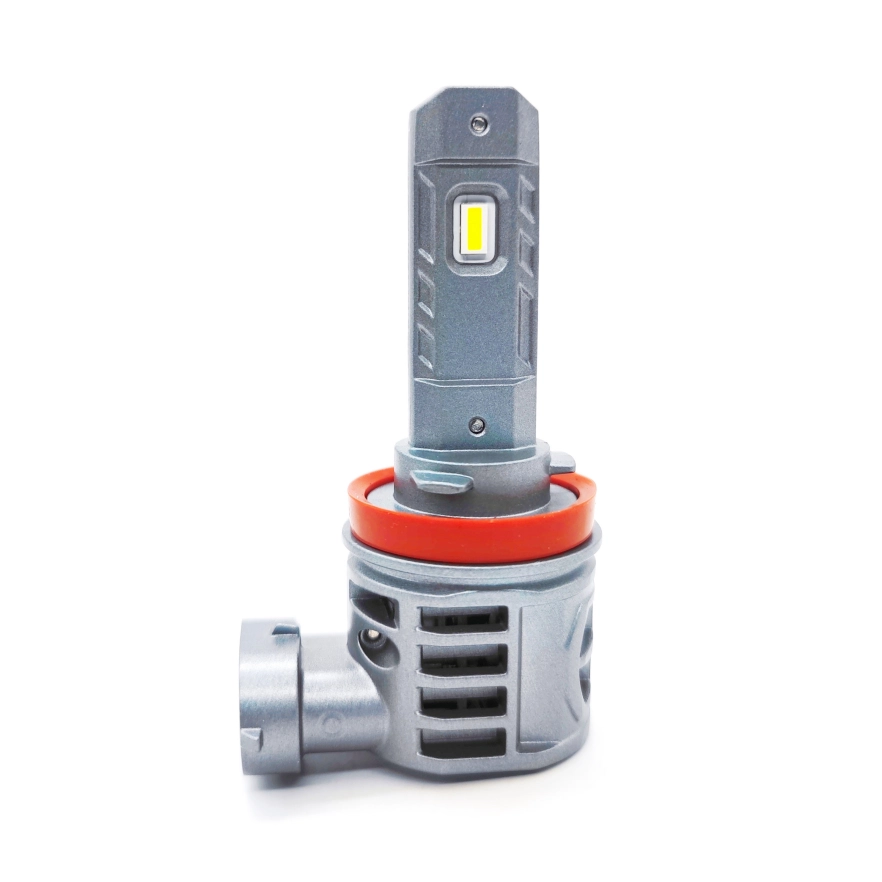
Powered by LatticePower HGL3 5530 LED chips, the EK-V2 delivers 3000LM brightness at 30W. Its all-in-one design and fan-cooled system ensure reliable performance and efficient cooling.
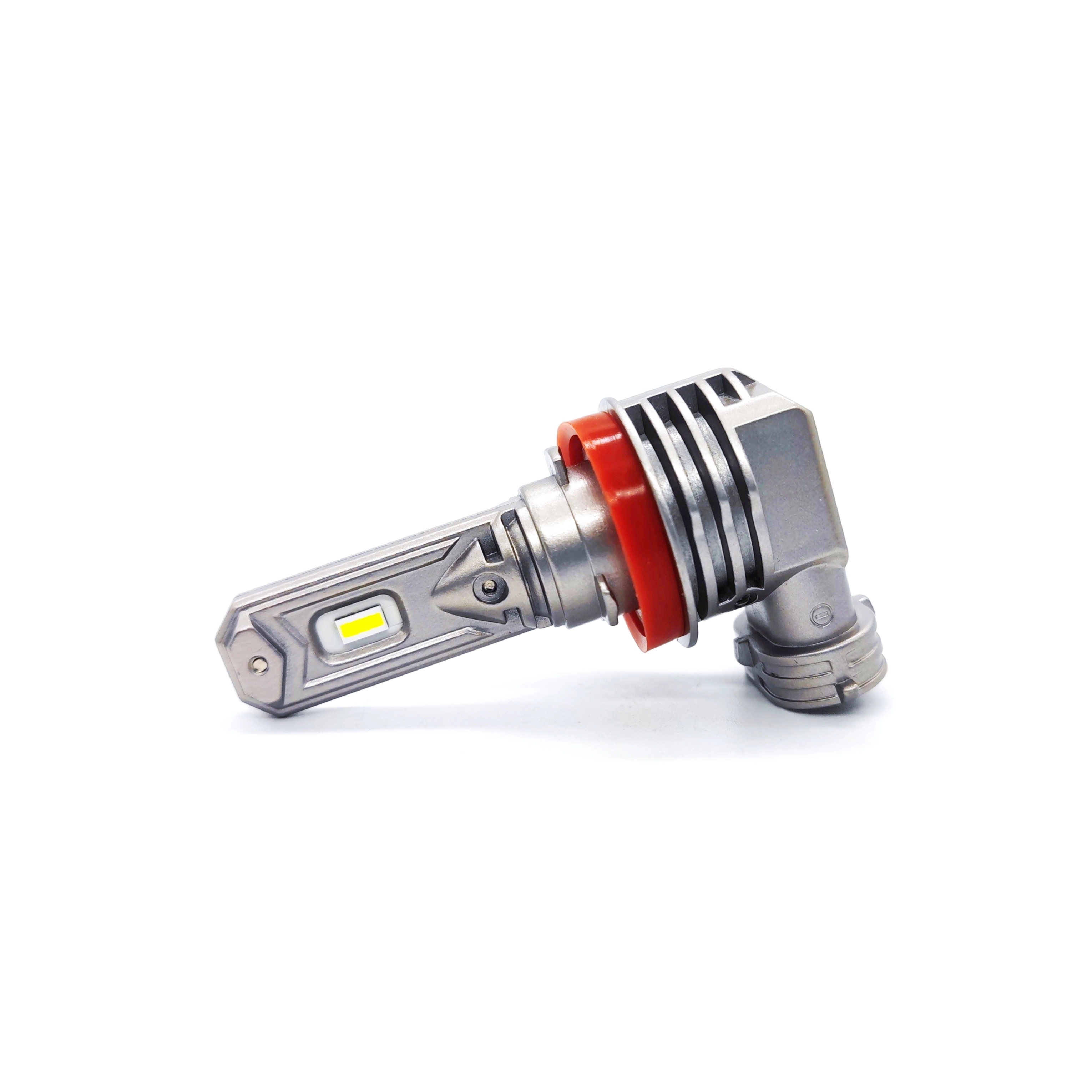
Powered by LatticePower HGL3 5530 LED chips, the V1 delivers 2000LM output in a compact all-in-one design. Fanless cooling provides silent, reliable, maintenance-free performance.
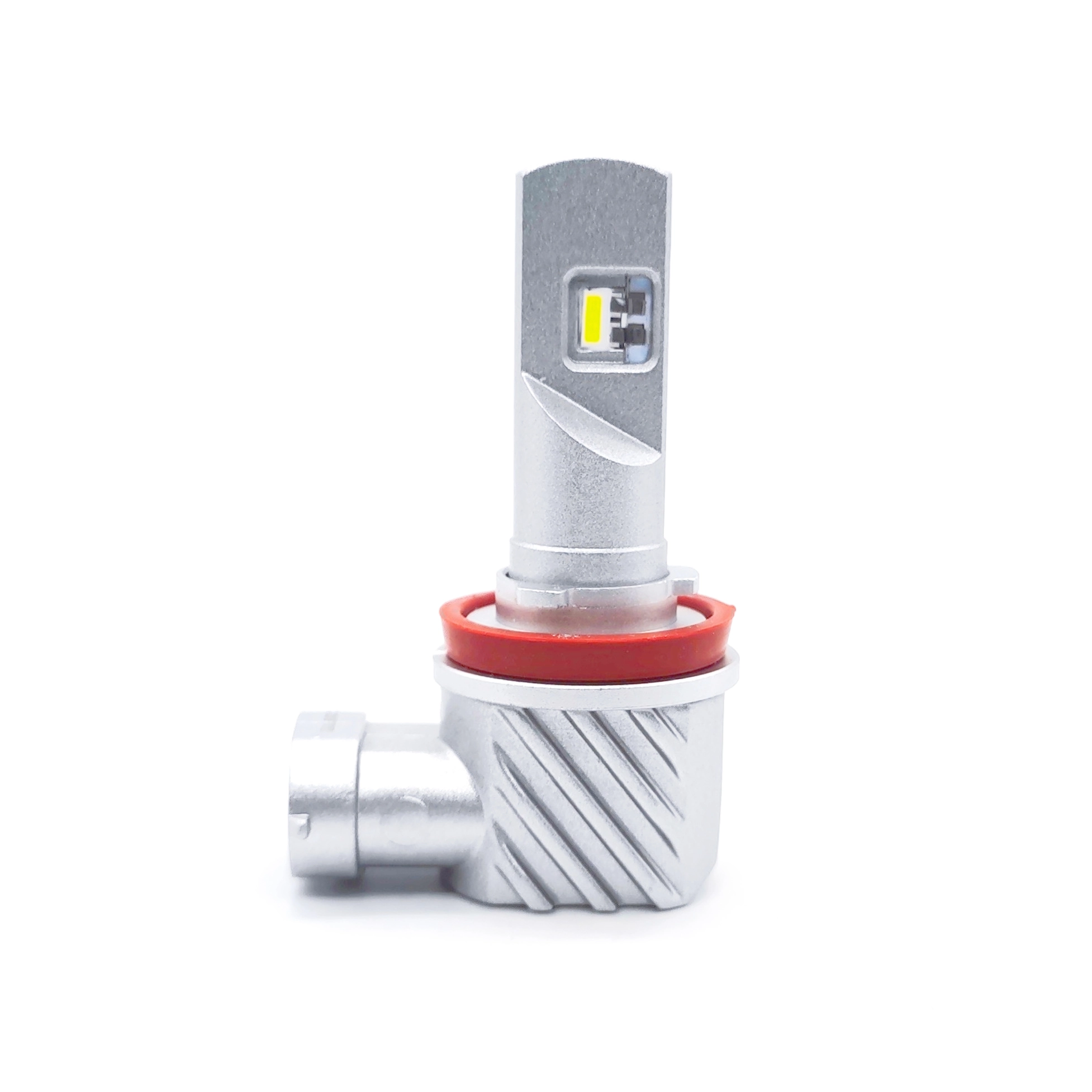
EKLIGHT V3 LED headlight bulb features TST chip technology and fanless design, ensuring efficient heat separation, stable brightness and reliable long-lasting performance.
EKLIGHT delivers innovative, high-quality LED lighting solutions trusted by global partners.
We empower businesses with reliable products that enhance performance and drive success.
Contact EKLIGHT
Address : Building C, Dehuiwanggang Industrial Zone, No. 38 Wanggang Industrial three road, Baiyun district, Guanghzou, Guangdong province, China.
© 2026 EKLIGHT. All Rights Reserved.
EKLIGHT
EK
EK
EK
EK