


Do Smaller LED Headlight Bulbs Sacrifice Brightness?

Smaller LED headlight bulbs do not automatically sacrifice brightness. In automotive lighting, the decisive factors are LED chip efficiency, emitter placement, optical control, heat dissipation, driver stability, and compatibility with the original headlamp housing. A compact replacement can produce strong usable illumination when its light-emitting surface accurately reproduces the position of the original halogen filament and its thermal system prevents output deterioration. Conversely, a physically large bulb can perform poorly if its beam pattern is uncontrolled, its driver is unstable, or its cooling design cannot manage operating heat.
For distributors, vehicle brands, workshops, and project owners, the purchasing question should therefore move beyond advertised lumen figures. Road illumination depends on where light is directed, how evenly it is distributed, whether glare is controlled, and whether performance remains stable after extended operation. The National Highway Traffic Safety Administration regulates lighting requirements in the United States through Federal Motor Vehicle Safety Standard No. 108, while international programs commonly reference the United Nations Economic Commission for Europe vehicle regulations. These frameworks reinforce an important procurement principle: brightness must be assessed together with beam control, installation safety, and regulatory suitability.
Why Compact LED Headlamp Design Does Not Equal Lower Brightness
Emitter efficiency is more important than external size
The outside dimensions of a retrofit bulb reveal very little about its optical performance. Modern LED packages can generate substantial luminous flux from a small semiconductor area because efficiency depends on the chip architecture, current control, junction temperature, and phosphor technology. A compact housing may therefore contain a high-output emitter with a carefully engineered optical position.
However, luminous flux is not the same as useful roadway illumination. Lumens describe the total visible light emitted by a source, while lux describes illumination received at a surface. For vehicle lighting, candela distribution and beam shape are also critical. Buyers comparing suppliers should request test information that distinguishes total output from measured illumination at relevant distances. A supplier that reports only an exceptionally high lumen number may be presenting a marketing maximum rather than a stable operating result.
Filament-equivalent positioning protects beam quality
Halogen headlamps are designed around a specific filament location. If a retrofit LED emitter sits too far forward, too far backward, or at the wrong rotational angle, the reflector may project stray light into the eyes of other road users instead of creating a controlled low beam. This problem can occur even when the replacement appears brighter during a static garage test.
A properly engineered compact replacement uses a narrow emitter profile and accurate mechanical positioning to imitate the original light source. Thin circuit boards, symmetrical emitter placement, correct base geometry, and precise locking tabs can help maintain the intended focal relationship. For fleet or aftermarket programs, dimensional drawings and sample-fit validation are valuable because a few millimeters of positional error can change the beam cutoff and hot spot.
Optical output should be judged on the road-facing beam
Usable brightness includes foreground visibility, center illumination, shoulder coverage, cutoff sharpness, and high-beam reach. It also includes the absence of distracting dark zones. A compact bulb with moderate measured flux may provide better driving confidence than a higher-flux product that creates uneven illumination.
Procurement teams should request photometric reports, controlled comparison images, and vehicle-specific installation results rather than relying on packaging claims. Testing should be completed in the intended reflector or projector housing, because an LED source behaves differently in each optical system. A bulb designed for a projector may not produce the same result in a reflector, and a product suitable for one base type may not be appropriate for another.
Performance Variables Buyers Must Validate Before Sourcing
Thermal management determines sustained output
LEDs convert electrical energy into light and heat. When junction temperature rises, efficacy can decline and the control system may reduce current to protect the component. Long-term exposure to excessive heat can also accelerate degradation of the LED package, solder joints, seals, capacitors, and driver components.
Compact products have less physical area for heat transfer, so thermal architecture deserves particular attention. Common solutions include aluminum-core circuit boards, copper heat paths, braided heat sinks, passive fin structures, and small fans. The correct choice depends on the headlamp cavity, available airflow, dust exposure, acoustic requirements, and service environment. A fan-cooled unit is not automatically superior; it may offer strong heat removal but introduce moving-part wear, noise, or contamination risk.
Driver electronics affect reliability and compatibility
The LED driver regulates current and helps the lamp operate across vehicle voltage variation. Poorly designed electronics may cause flicker, radio interference, premature failure, dashboard error codes, or inconsistent output during engine start and charging conditions. Modern vehicles can also use pulse-width monitoring, bulb-out detection, and networked body-control systems that complicate retrofit compatibility.
Before placing a volume order, buyers should test electromagnetic compatibility, startup behavior, current draw, polarity tolerance, waterproofing, and communication with the target vehicle platform. Products may require an external decoder or CAN-bus accessory, but adding components can create packaging and reliability considerations. A complete supplier evaluation should include wiring diagrams, operating voltage ranges, connector specifications, ingress protection information, and environmental test results.
Color temperature must support visibility, not only appearance
Cool white light is often associated with a High Quality appearance, but a higher color temperature does not automatically provide better visibility. Excessively blue output can produce more glare in rain, fog, dust, or snow and may perform poorly for certain drivers and road conditions. A balanced white spectrum, stable chromaticity, and controlled glare are more commercially meaningful than visual intensity alone.
Color consistency also matters for brand owners and distributors. Variations between production batches can increase returns and create an inconsistent appearance across a vehicle fleet. Quality plans should define chromaticity tolerances, binning requirements, aging performance, and inspection methods. These controls are especially important when the same product family is sold across multiple markets with different customer expectations.
| Evaluation area | What a compact design can improve | What buyers should verify | Business risk if neglected |
|---|---|---|---|
| Emitter geometry | Closer replication of a halogen filament and easier optical alignment | Emitter thickness, position, rotation, and base tolerance | Glare, poor cutoff, dark zones, and vehicle-specific complaints |
| Thermal system | Lower package volume and better access in restricted headlamp cavities | Heat-sink material, thermal path, fan specification, and sustained-output test | Output reduction, premature failure, and warranty cost |
| Driver electronics | Compact installation and controlled current delivery | Voltage range, EMC performance, flicker behavior, and error-code compatibility | Flicker, interference, installation returns, and unstable operation |
| Optical performance | Potentially efficient use of available light in the original housing | Photometric distribution, lux, candela, cutoff, and road-test results | High claimed lumens without useful forward visibility |
| Mechanical fit | Access to narrow housings and improved installation flexibility | Base dimensions, locking interface, dust cap clearance, and connector routing | Installation delays, damaged components, and poor customer satisfaction |
How EKLIGHT Converts Compact Lighting Engineering into Procurement Value
Automotive lighting experience supports consistent product development
EKLIGHT has more than 16 years of expertise in the automotive lighting industry and specializes in manufacturing a broad range of high-quality LED automotive products. Our approach treats compact packaging as an engineering requirement rather than a shortcut. The objective is to balance optical accuracy, thermal control, electrical stability, mechanical fit, and production repeatability so buyers can select products for real vehicle applications.
Our quality commitment is built around rigorous standards and controlled manufacturing. For distributors and brand owners, this means product evaluation can include specification confirmation, sample approval, appearance inspection, functional testing, and consistency checks before volume shipment. A dependable supply program should reduce variation between batches, simplify installation guidance, and support predictable after-sales performance.
A broad product portfolio helps buyers build complete lighting programs
EKLIGHT supplies LED headlight bulbs for replacement and upgrade applications, along with Exterior & Interior Bulbs for broader vehicle illumination needs. This portfolio approach is valuable for wholesalers and private-label customers that prefer to consolidate sourcing across multiple lighting categories rather than manage unrelated suppliers.
For applications requiring a different optical architecture, our range includes Bi-LED Projector Lenses, Mini Projector LED Bulbs, and Driving Lights. These products support different project requirements, from projector retrofits and focused beam systems to auxiliary forward lighting. Selecting the right architecture can be more effective than simply increasing bulb wattage, because the lens, reflector, and emitter must work as one optical system.
Continuous innovation supports changing market requirements
Automotive lighting customers increasingly expect smaller installation envelopes, higher efficiency, improved appearance, reliable electronics, and compatibility with a wider range of vehicles. Our engineering team invests in new LED lighting technologies each year to help partners respond to these changing demands. Development priorities can include improved emitter positioning, refined heat transfer, stronger sealing, better driver integration, and more adaptable mechanical interfaces.
For procurement leaders, innovation should be measured by commercial usefulness. A new product has value when it improves fitment coverage, lowers return rates, reduces installation complexity, or creates a defensible product difference in the aftermarket. EKLIGHT’s partner-focused model is designed to connect product development with distributor requirements, brand positioning, and long-term supply objectives.
Recommended Sourcing Process for Compact LED Headlamp Replacements
Define the application before comparing quotations
Start with the vehicle list, bulb base, headlamp type, regional market, installation environment, expected annual volume, warranty target, and selling channel. A workshop replacement program may prioritize plug-and-play installation, while a private-label brand may require packaging customization, documentation, and stable batch continuity. Defining these variables prevents buyers from comparing technically different products solely by unit price.
Use a controlled sample and validation protocol
Sample approval should include dimensional measurement, installation in representative headlamps, beam-pattern inspection, thermal observation, electrical testing, waterproofing review, and extended operation. Where regulations apply, the buyer should confirm whether the retrofit is permitted for the intended road use and whether local certification or marking requirements must be met. The ISO 26262 standard overview is relevant to functional-safety discussions in road vehicles, although it does not replace lighting-specific approval requirements.
Validation should also compare the compact LED unit against the original light source under consistent conditions. Record startup time, measured current, output stability, visible flicker, fan noise where applicable, and behavior after thermal soak. These records provide a defensible basis for supplier approval and help customer-service teams answer installation questions accurately.
Evaluate total cost rather than the lowest purchase price
Total cost includes product price, freight, installation labor, adapters, warranty replacements, customer returns, inventory complexity, and regulatory risk. A lower-cost bulb that produces glare or fails early can damage a distributor’s reputation and consume more resources than a better-controlled product with a slightly higher initial price.
Reliable suppliers should provide clear specifications, repeatable samples, responsive engineering communication, and documented quality procedures. When these factors are combined with a suitable product portfolio, buyers can build a lighting program that delivers better customer outcomes and stronger long-term margins. Compact form factor and brightness are not opposing goals; successful results come from integrating optical, thermal, electrical, and manufacturing decisions into one validated system.
Frequently Asked Questions
Do smaller LED headlight bulbs produce less light?
Not necessarily. Performance depends on LED efficiency, emitter placement, driver stability, thermal management, and beam control rather than the external size of the bulb alone.
What is more important than advertised lumen output?
Buyers should assess measured lux, candela distribution, beam cutoff, roadway coverage, output stability, and performance inside the intended reflector or projector housing.
Why does emitter position matter in an LED retrofit?
The original headlamp is designed around a specific halogen filament location. Incorrect LED emitter positioning can create glare, dark zones, and an inaccurate beam pattern even when the replacement has high total lumen output.
How does heat affect compact LED headlight performance?
Excessive junction temperature can reduce LED efficacy, trigger protective current reduction, and accelerate degradation of the LED package and driver components. Thermal design should therefore be validated under extended operation.
Can compact LED bulbs cause dashboard error codes or flicker?
Yes. Vehicle bulb-out detection, pulse-width monitoring, voltage variation, and networked body-control systems can create compatibility issues. Buyers should test startup behavior, current draw, flicker, electromagnetic compatibility, and error-code performance.
What should distributors request from an LED lighting supplier?
Distributors should request dimensional drawings, electrical specifications, photometric data, thermal test results, fitment information, quality documentation, sample validation support, and clear warranty and batch-consistency procedures.

M6 is a high-performance LED lighting solution for headlight retrofit and external working lights. With 9-16V wide voltage, 50W low beam and 60W high beam output, IP68 waterproof protection, and customizable color temperature, it supports OEM/ODM customization for various vehicle applications.
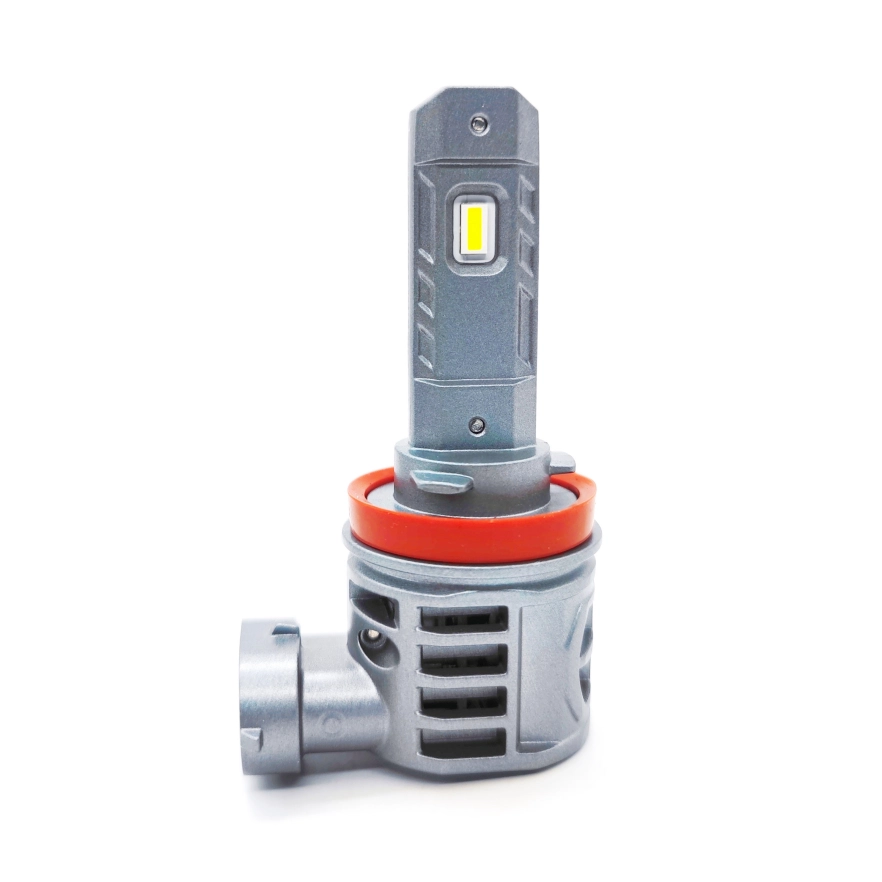
Powered by LatticePower HGL3 5530 LED chips, the EK-V2 delivers 3000LM brightness at 30W. Its all-in-one design and fan-cooled system ensure reliable performance and efficient cooling.
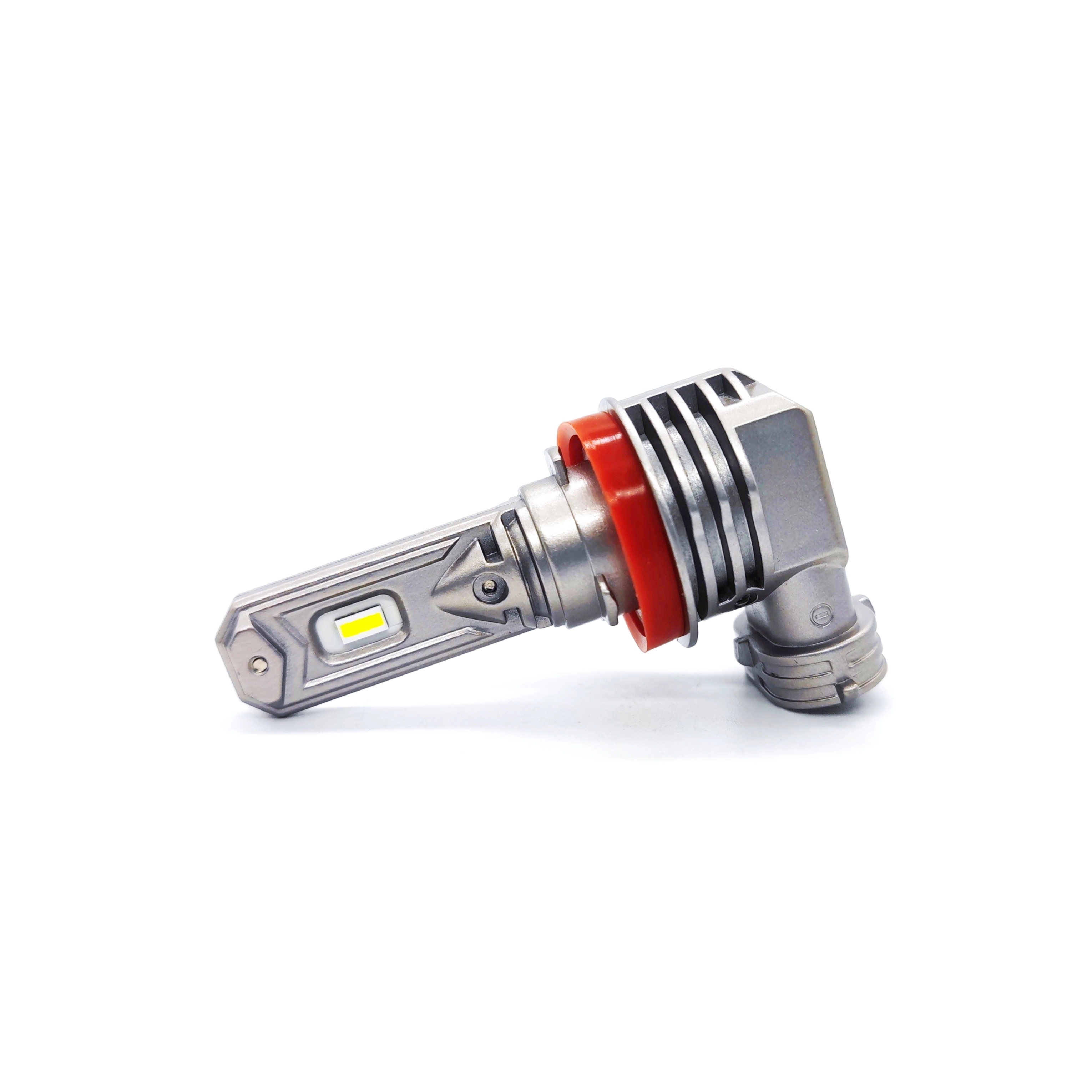
Powered by LatticePower HGL3 5530 LED chips, the V1 delivers 2000LM output in a compact all-in-one design. Fanless cooling provides silent, reliable, maintenance-free performance.
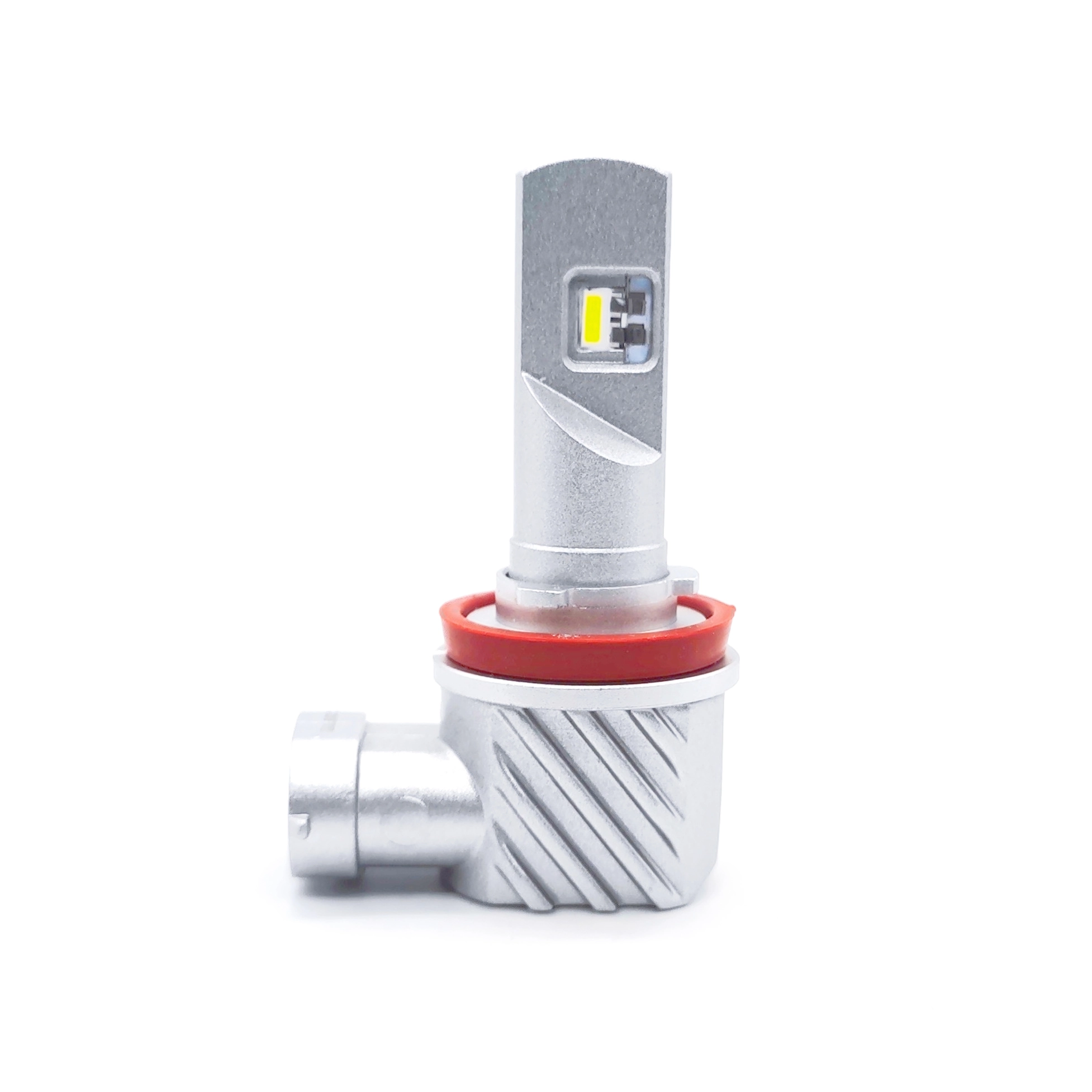
EKLIGHT V3 LED headlight bulb features TST chip technology and fanless design, ensuring efficient heat separation, stable brightness and reliable long-lasting performance.
EKLIGHT delivers innovative, high-quality LED lighting solutions trusted by global partners.
We empower businesses with reliable products that enhance performance and drive success.
Contact EKLIGHT
Address : Building C, Dehuiwanggang Industrial Zone, No. 38 Wanggang Industrial three road, Baiyun district, Guanghzou, Guangdong province, China.
© 2026 EKLIGHT. All Rights Reserved.
EKLIGHT
EK
EK
EK
EK